
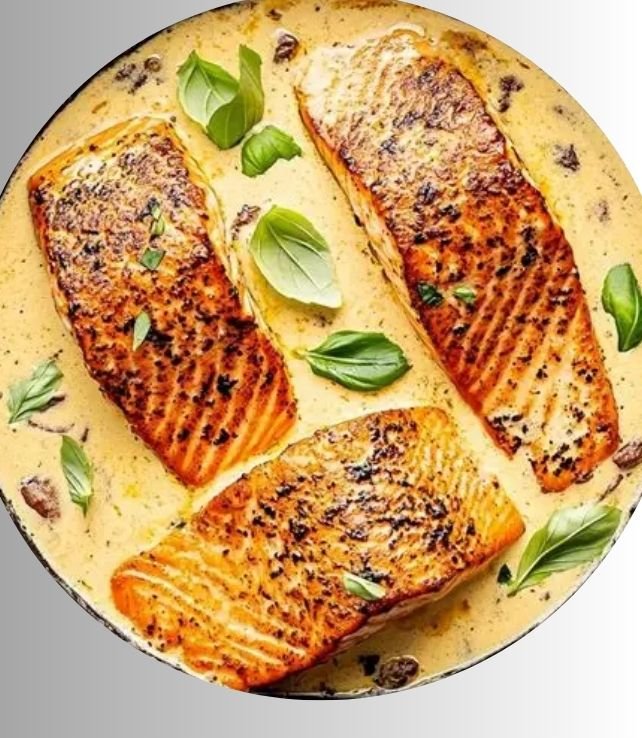
You know that feeling when a dish is so good, it feels like a promise? I was skeptical the first time I heard the name. A recipe for salmon, claiming such a bold title, seemed like hyperbole. But then I made it for a quiet dinner at home, and the reaction was immediate and genuine. The phrase wasn’t about grand gestures; it was about the quiet confidence of a meal that is undeniably, reliably spectacular.
This Marry Me Salmon recipe delivers on that promise. It is a study in balance: rich, fatty salmon fillets bathed in a creamy, sun-dried tomato and garlic sauce, punctuated by fresh herbs and a hint of spice. It’s restaurant-quality without the complexity, transforming simple ingredients into a cohesive, luxurious experience. Below, you will find not just the recipe, but a complete guide to understanding why it works so well, from the science of its sear to the nutrition on your plate.
How to Make Marry Me Salmon Recipe
This is the core method that creates the iconic dish. Follow these steps for a flawless result, then use the deep dives in the sections that follow to master every component.
Recipe Details
- Prep Time: 15 minutes
- Cook Time: 20 minutes
- Servings: 4
- Course: Main Course
- Cuisine: American, Italian-inspired
- Diet: Gluten-Free, Low-Carb
Ingredients
- 4 (6-ounce) skin-on salmon fillets, about 1-inch thick
- 1 teaspoon kosher salt, divided
- 1/2 teaspoon black pepper
- 2 tablespoons olive oil
- 3 tablespoons unsalted butter
- 5 cloves garlic, minced
- 1/2 cup chopped oil-packed sun-dried tomatoes, plus 2 tablespoons of their oil
- 1 teaspoon dried oregano
- 1/2 teaspoon red pepper flakes (adjust to taste)
- 1 cup heavy cream or double cream
- 1/2 cup grated Parmesan cheese
- 1/4 cup fresh basil, thinly sliced
- 1 tablespoon fresh parsley, chopped
Instructions
- Pat the salmon fillets completely dry with paper towels. Season the flesh side generously with 3/4 teaspoon of the salt and all of the black pepper.
- Heat the olive oil in a large skillet over medium-high heat. Once the oil shimmers, place the salmon fillets in the skillet skin-side up. Sear without moving for 4-5 minutes, until a deep golden-brown crust forms.
- Carefully flip the fillets to cook skin-side down for 1 minute. Transfer the salmon to a clean plate. The skin will crisp up further from residual heat.
- Reduce the heat to medium. Add the butter to the skillet. Once melted, add the minced garlic, sun-dried tomatoes (with their 2 tablespoons of oil), oregano, and red pepper flakes. Cook for 60-90 seconds until the garlic is fragrant but not browned.
- Pour in the heavy cream and the remaining 1/4 teaspoon of salt. Stir well, scraping up any browned bits from the bottom of the pan. Let the sauce simmer gently for 3-4 minutes to thicken slightly.
- Whisk in the grated Parmesan cheese until fully melted and the sauce is smooth.
- Return the salmon fillets to the skillet, spooning the sauce over the top. Simmer together for 2-3 minutes to reheat the salmon and allow the flavors to marry.
- Remove from heat. Stir in the fresh basil and parsley. Serve immediately, spooning extra sauce over each portion.
Nutrition
- Calories: 685 kcal
- Protein: 42 g
- Fat: 54 g
- Carbohydrates: 8 g
- Sugar: 4 g
- Fiber: 1 g
- Sodium: 850 mg
- Cholesterol: 215 mg
Cooking Method
The primary method for this dish is pan-searing followed by simmering in a sauce. Pan-searing uses direct, high heat to create the Maillard reaction—a complex chemical process that develops hundreds of new flavor compounds, giving the salmon its signature browned, savory crust. The subsequent simmering in the cream sauce is a gentle, moist-heat method that infuses the fish with the sauce’s flavors without overcooking it, as the liquid temperature stays at or just below boiling.
Tools Needed
- Large skillet (stainless steel or cast iron preferred for optimal searing)
- Sharp chef’s knife and cutting board
- Microplane or box grater (for fresh Parmesan)
- Tongs or a sturdy fish spatula
- Measuring cups and spoons
- Paper towels
Ingredient Analysis: Building a Flavor Foundation
Every component in this recipe has a specific role. Understanding these roles allows you to make informed substitutions without compromising the dish’s structural integrity.
The Salmon: Selecting Your Centerpiece
The choice of salmon directly impacts the texture and fat content of your meal. I prefer skin-on, center-cut fillets for consistent thickness.
Atlantic vs. Pacific Salmon
Farmed Atlantic salmon is commonly available, has a high fat content, and remains moist during cooking. Wild-caught Pacific varieties like Sockeye or Coho are leaner, with a firmer texture and more robust, mineral-forward flavor. For this rich sauce, the buttery quality of Atlantic salmon creates a harmonious contrast, but a wild Sockeye fillet holds its own beautifully.
The Importance of the Skin
Do not remove the skin. It acts as a protective barrier during the initial sear, preventing the delicate flesh from sticking and tearing. As it renders, the skin becomes a crisp, edible component that adds textural contrast. Ensure your fishmonger has scaled the skin thoroughly.
The Sauce Components: A Symphony of Umami
The sauce is a classic example of flavor layering, building depth from multiple sources of savory intensity.
Sun-Dried Tomatoes: Concentrated Sweetness
Oil-packed sun-dried tomatoes are non-negotiable. The drying process concentrates their natural sugars and glutamates, the compounds responsible for umami. The oil they are packed in is also infused with this flavor; using it to start the sauce is a key technique. Avoid dry-packed tomatoes, which require rehydration and lack the same flavor potency.
Garlic and Aromatics: The Flavor Base
Mincing the garlic finely ensures it disperses evenly and cooks quickly without burning. The oregano and red pepper flakes are bloomed in the fat—a step that unlocks their essential oils and integrates their flavors into the foundation of the sauce, rather than leaving them tasting raw or dusty.
Dairy: Cream and Parmesan for Body and Salt
The heavy cream provides a luxurious, velvety base that can withstand simmering without breaking. The Parmesan cheese is a dual-function ingredient: it contributes salty, nutty notes and, due to its proteins and emulsifiers, helps thicken and stabilize the sauce. For best results, grate it yourself from a block; pre-grated cheese often contains anti-caking agents that can make sauces grainy.
Nutritional Breakdown: A Dietitian’s Perspective
As a dish, this recipe is nutritionally dense, meaning it provides a significant amount of beneficial nutrients per calorie.
Macronutrient Profile
The high protein content (over 40 grams per serving) from the salmon promotes satiety and supports muscle maintenance. The fats are a mix: salmon provides heart-healthy omega-3 fatty acids (EPA and DHA), while the cream and cheese contribute saturated fat. This is a dish to enjoy for its quality and balance within a broader dietary pattern, not as an everyday staple.
Micronutrients and Bioavailability
Salmon is an excellent source of Vitamin D, B12, and selenium. The fat-soluble vitamins (A, D, E, K) in the salmon and dairy, along with the antioxidants like lycopene in the sun-dried tomatoes, are better absorbed by the body because they are consumed within a high-fat meal—a principle known as nutrient bioavailability.
The sodium content is notable, primarily from the Parmesan, added salt, and capers if used. Those monitoring sodium intake can reduce added salt and use a lighter hand with the cheese.
Dietary Adaptations and Variations
The core recipe is gluten-free and low in carbohydrates. With a few considered changes, it can suit other dietary needs.
For a Dairy-Free Version
Replace the butter with a plant-based alternative or more olive oil. For the cream, full-fat canned coconut cream is the best substitute, as its high fat content mimics the richness and stability of dairy cream. Nutritional yeast or a vegan Parmesan alternative can replace the cheese, though the sauce will be less thick; a teaspoon of cornstarch slurry can help.
For a Lighter Preparation
Substitute half the heavy cream with full-fat chicken or vegetable broth. Use 2 tablespoons of butter instead of 3, and consider a sharp, hard cheese like Pecorino Romano, where you can use less due to its more potent flavor. Increasing the proportion of sun-dried tomatoes and fresh herbs can also boost flavor without adding fat.
Ingredient Variations
While the sun-dried tomato and cream base is classic, the framework is adaptable. Try adding 1/4 cup of drained capers for briny pops, or a handful of baby spinach wilted into the sauce at the end. For a different herb profile, thyme or dill can work in place of oregano.
The Story Behind the Name: A Culinary Historian’s View
Recipes with romantic or superlative names are a longstanding tradition in American home cooking. Dishes like “Engagement Chicken” or “I’ll-Do-Anything-You-Want Cake” speak to the cultural link between food, care, and emotional connection.
The “Marry Me” moniker likely emerged in the late 20th or early 21st century within the ecosystem of food blogs and sharing platforms. It is less about a documented origin story and more about a collective experience: the dish is so consistently impressive and crowd-pleasing that it becomes a reliable choice for a special occasion or a quiet dinner meant to connect. It represents a modern recipe legend, where success in the kitchen translates to a moment of shared delight.
Common Mistakes and How to Avoid Them
Small errors can undermine the result. Here are the pitfalls I’ve seen and how to steer clear of them.
Overcrowding the Pan
Searing four fillets in a standard 12-inch skillet is possible, but if your pan is smaller, cook in two batches. Overcrowding drops the pan temperature drastically, causing the salmon to steam instead of sear, resulting in a pale, rubbery exterior and no fond (the browned bits) for the sauce.
Using Cold Salmon
Take the salmon out of the refrigerator 15-20 minutes before cooking. This slight tempering allows for more even cooking from edge to center, reducing the risk of a dry exterior and a cold, undercooked middle.
Breaking the Sauce
A sauce “breaks” when the fat separates from the liquid, creating a greasy, curdled appearance. To prevent this, keep the heat at a gentle simmer after adding the cream and cheese—a rolling boil can cause separation. If it does break, remove from heat and whisk in a tablespoon of cold cream or broth vigorously to re-emulsify.
Serving, Pairing, and Storage Instructions
This dish is best served immediately, but with planning, leftovers can be enjoyable.
Ideal Accompaniments
The rich, creamy sauce calls for something to soak it up. A simple bed of pasta, like fettuccine or orzo, is classic. For a lower-carb option, cauliflower rice, zucchini noodles, or a creamy polenta work well. A simple green vegetable is essential for balance—steamed asparagus, roasted broccoli, or a crisp arugula salad with lemon vinaigrette cuts through the richness.
Storage and Reheating
Store leftover salmon and sauce in an airtight container in the refrigerator for up to 2 days. Reheat gently in a covered skillet over low heat with a splash of water, broth, or cream to loosen the sauce. Microwaving can overcook the salmon and cause the sauce to separate.
I do not recommend freezing this dish, as the dairy-based sauce may separate and the texture of the salmon will become mealy upon thawing.
The Science of the Sear and Sauce Stability
Two key scientific principles are at work here. The first, the Maillard reaction, occurs above 280°F (140°C). It’s a reaction between amino acids (from the salmon protein) and reducing sugars, creating the complex, savory flavors and brown color on the fillet’s surface. A dry surface and adequate heat are critical.
The second is emulsion stability. The sauce is an oil-in-water emulsion, where fat droplets (from butter, cream, and salmon oil) are suspended in the water-based liquid. The Parmesan cheese acts as an emulsifier; its proteins help bind the fat and water together. Gentle heat and constant stirring encourage this stable union, creating a smooth, cohesive sauce.
Frequently Asked Questions
Can I use frozen salmon for this recipe?
Yes, but it must be fully thawed in the refrigerator overnight. Pat it exceptionally dry before seasoning. Frozen fillets often release more water, which can hinder a proper sear.
What can I use instead of heavy cream?
For a similar richness, full-fat canned coconut cream is the best direct substitute. For a lighter option, half-and-half can work, but simmer it longer to reduce and thicken, and be careful not to let it boil.
My sauce is too thin. How can I thicken it?
Let it simmer uncovered for a few more minutes to reduce. Alternatively, create a slurry with 1 teaspoon of cornstarch and 1 tablespoon of cold water, whisk it into the simmering sauce, and cook for 1 minute until thickened.
Is it necessary to use the sun-dried tomato oil?
It is highly recommended. That oil is infused with the flavor of the tomatoes and carries fat-soluble compounds that form the base of the sauce’s depth. Using plain olive oil means missing a layer of flavor.
How do I know when the salmon is perfectly cooked?
The safest method is an instant-read thermometer. Insert it into the thickest part of the fillet; 125°F (52°C) will yield a medium-rare, moist center. The salmon will also become opaque and flake easily with a fork when done.
Can I make this sauce ahead of time?
You can prepare the sauce base (through step 5, before adding the Parmesan) up to a day ahead. Reheat it gently, then proceed with adding the cheese and finishing with the salmon and fresh herbs.
What type of pan is absolutely best for searing salmon?
A heavy-bottomed stainless steel or cast iron skillet provides the most consistent, high heat retention, which is crucial for developing a good crust without sticking. Non-stick pans are safer but often don’t achieve the same level of browning.
