
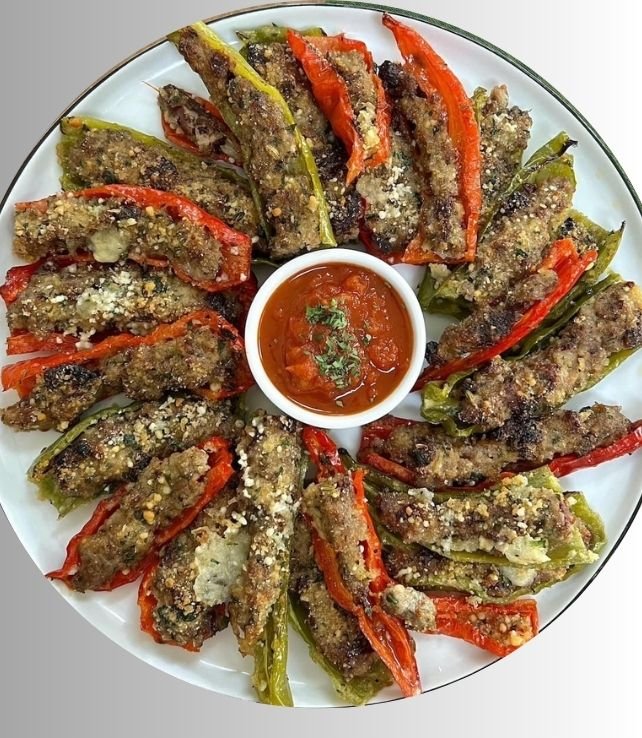
There’s a moment in many home kitchens when a simple ingredient transforms from a supporting player into the star of the meal. For me, that moment arrived with a bag of long hot peppers from a local farm stand. I was looking for a way to preserve their vibrant heat and flavor, a method that went beyond a quick sauté.
This recipe is the result of that search: a straightforward technique for blistering and simmering long hot peppers until they become tender, deeply flavorful, and versatile. It’s less a single dish and more a foundational preparation, a condiment that elevates everything it touches. Below, you’ll find the complete method, followed by a detailed analysis of ingredients, nutrition, and culinary applications to give you full confidence in your kitchen.
How to Make Long Hots Recipe
This process coaxes out the natural sugars in the peppers through blistering, then softens them in a savory braise. The result is a tender, complex pepper that can be served as a side, chopped into sauces, or layered on sandwiches.
Recipe Details
- Prep Time: 10 minutes
- Cook Time: 25 minutes
- Servings: 4 as a side dish
- Course: Side Dish, Condiment
- Cuisine: Italian-American
- Diet: Vegetarian, Gluten-Free, Vegan
Ingredients
- 1 pound fresh long hot peppers
- 3 tablespoons extra virgin olive oil, divided
- 3 cloves garlic, thinly sliced
- 1/2 teaspoon dried oregano
- 1/4 cup water or vegetable broth
- 1 tablespoon red wine vinegar
- 1/2 teaspoon kosher salt, plus more to taste
- 1/4 teaspoon freshly ground black pepper
Instructions
- Rinse the peppers and pat them completely dry. Leaving the stems intact, use a paring knife to make two or three small slits along the length of each pepper. This prevents them from bursting during cooking.
- Heat 2 tablespoons of olive oil in a large, heavy skillet (cast iron is ideal) over medium-high heat. Once the oil shimmers, carefully add the peppers in a single layer, working in batches if needed.
- Cook the peppers, turning occasionally with tongs, until the skins are blistered and charred in spots on all sides, about 8-10 minutes total. Transfer the blistered peppers to a plate.
- Reduce the heat to medium-low. Add the remaining 1 tablespoon of olive oil to the same skillet. Add the sliced garlic and dried oregano, stirring for about 30 seconds until the garlic is fragrant but not browned.
- Return all the blistered peppers to the skillet. Pour in the water or broth and the red wine vinegar. Season with salt and black pepper.
- Cover the skillet and simmer gently for 10-15 minutes, until the peppers are very tender and have softened to your liking. Uncover and simmer for another 2-3 minutes if you prefer a less saucy result.
- Taste and adjust seasoning with additional salt or a splash of vinegar if desired. Serve warm, at room temperature, or chilled.
Nutrition
- Calories: 120 kcal
- Protein: 1 g
- Fat: 10 g
- Carbohydrates: 7 g
- Sugar: 4 g
- Fiber: 2 g
- Sodium: 290 mg
- Cholesterol: 0 mg
Cooking Method
The recipe employs a two-stage technique: dry-heat blistering followed by moist-heat braising. Blistering over direct, high heat caramelizes the natural sugars in the pepper skin, creating a smoky, complex base flavor. The subsequent braise in a small amount of liquid uses steam and gentle simmering to break down the pepper’s cellular structure, rendering it tender throughout without making it mushy.
Tools Needed
- Large heavy-bottomed or cast-iron skillet
- Tongs
- Sharp paring knife
- Cutting board
Understanding Your Main Ingredient: Long Hot Peppers
Not all elongated green peppers are the same. Knowing what you have is key to predicting the outcome of your dish.
Identifying True Long Hots
Often called “Italian frying peppers” or “Cubanelles,” true long hots are a specific variety (*Capsicum annuum*). They are typically 6-8 inches long, slender, and have thin, slightly wrinkled skin. Their heat level is notoriously variable, ranging from completely mild to moderately hot, even within peppers from the same plant. This unpredictability is part of their character.
Heat Profile and Scoville Scale Placement
These peppers generally sit between 1,000 and 15,000 Scoville Heat Units (SHU). For context, a jalapeño ranges from 2,500 to 8,000 SHU. A long hot can be milder than a jalapeño or nearly twice as hot. The heat is usually concentrated in the seeds and internal ribs (placenta). Removing them reduces heat significantly, while leaving them in embraces the full, variable potential of the pepper.
Selecting and Storing Fresh Peppers
Look for firm peppers with smooth, glossy skin free of soft spots or significant blemishes. A vibrant green color is standard, though you may find some with red streaks, indicating further ripening and a slightly sweeter flavor. Store them unwashed in a paper bag in your refrigerator’s crisper drawer, where they will keep for up to a week.
Ingredient Analysis and Strategic Swaps
Each component in this recipe has a specific functional and flavor purpose. Understanding these roles allows for intelligent substitutions.
Oil: The Foundation of Flavor and Texture
Extra virgin olive oil is my first choice for its fruity, peppery notes that complement the charred peppers. Its smoke point is adequate for the blistering stage when the pan is not left unattended. For a higher smoke point and neutral flavor, avocado oil is an excellent alternative. The fat is essential for transferring heat efficiently to the peppers and creating the fond (browned bits) in the pan that forms the sauce’s base.
Aromatics and Acidity: Building Complexity
Garlic provides a pungent, sweet aroma that mellows during the braise. Thin slicing ensures it integrates into the sauce without burning. The red wine vinegar is not merely for tang; its acidity brightens the dish, balances the richness of the oil, and helps soften the peppers’ fibers. White wine vinegar or a squeeze of fresh lemon juice can be used in its place.
The Braising Liquid: Flavor Infusion
Water works perfectly, allowing the pepper’s own flavors to shine. Using a low-sodium vegetable broth adds a subtle savory depth. The small quantity is crucial—it should steam and simmer the peppers, not boil them, which would lead to a soggy texture.
Nutritional Perspective on Blistered Long Hots
From a dietary standpoint, this preparation is a nutrient-dense way to add significant flavor to a meal with minimal caloric impact.
Macronutrient and Micronutrient Profile
The recipe is low in carbohydrates and protein, with the majority of its calories coming from heart-healthy monounsaturated fats in the olive oil. Peppers are an outstanding source of Vitamin C, a powerful antioxidant that is surprisingly heat-stable in this quick-cook method. They also provide Vitamin A, potassium, and a range of B vitamins.
Capasaicin: The Active Compound
The compound responsible for the heat in peppers, capsaicin, has been studied for its potential metabolic and anti-inflammatory properties. It acts on pain receptors, which is why we perceive the burning sensation. Cooking does not destroy capsaicin but can mellow its immediate intensity by dispersing it throughout the dish.
Dietary Adaptations
This recipe is inherently gluten-free and vegan. For a low-sodium version, reduce or omit the added salt and use water instead of broth. To increase protein, consider adding a can of rinsed chickpeas or white beans during the last 5 minutes of braising. For a richer, non-vegan variation, a tablespoon of butter stirred in at the end adds a creamy dimension.
Cultural and Historical Context
The practice of frying or blistering peppers is a cornerstone of Southern Italian home cooking, a tradition immigrants brought to urban centers like Philadelphia and New York. There, the readily available long hot pepper became a staple.
It was a humble, inexpensive vegetable that could be transformed into a satisfying side dish or sandwich topping. This recipe is a direct descendant of that tradition, emphasizing technique over complexity. It represents a practical approach to making a flavorful, vegetable-forward component that can stretch a meal and add excitement to simple staples like bread, eggs, or beans.
Common Mistakes and How to Avoid Them
Avoiding a few key errors will guarantee a perfect result every time you prepare this dish.
Overcrowding the Pan During Blistering
Adding too many peppers at once lowers the pan’s temperature dramatically, causing them to steam in their own moisture rather than blister. This results in pale, soggy peppers. Cook in batches to ensure each pepper has contact with the hot surface.
Underseasoning the Braising Liquid
The liquid reduces and concentrates. Seasoning it adequately with salt and pepper from the start ensures the peppers are seasoned throughout, not just on the surface. Taste the reduced sauce at the end and adjust if necessary.
Using a Non-Stick Skillet
While possible, a non-stick surface prevents the formation of the flavorful fond (the browned bits) that develops when the peppers blister. A cast-iron or stainless steel skillet is superior for creating this depth of flavor, which then deglazes into the sauce.
Serving, Pairing, and Storage Guidance
This recipe’s versatility is its greatest strength. Think of it as a culinary building block.
Immediate Serving Suggestions
Serve them warm as a side dish alongside grilled sausages, chicken, or fish. Chop them and fold into scrambled eggs or a frittata. Layer them on a cheesesteak, Italian hoagie, or a simple roast pork sandwich for an authentic touch.
Integration into Other Dishes
Chopped blistered long hots can be mixed into pasta with garlic and oil, used as a pizza topping, or stirred into a pot of simmered white beans for a hearty soup. Their flavor-infused oil makes an excellent base for a vinaigrette.
Storage and Reheating
Store cooled peppers and their juices in an airtight container in the refrigerator for up to 5 days. The flavors often improve after a day. Reheat gently in a skillet over low heat or enjoy them cold. They can also be frozen for up to 3 months, though the texture will become softer upon thawing, making them better suited for sauces or soups.
Frequently Asked Questions
Can I make this recipe with bell peppers?
Yes, you can. Bell peppers are thicker-walled and sweeter. They will require a slightly longer blistering and braising time to become tender. The final dish will be milder and sweeter, lacking the characteristic variable heat of true long hots.
How do I reduce the spiciness of the peppers?
To significantly reduce heat, slice each pepper in half lengthwise after blistering and use a spoon to scrape out all the seeds and white internal ribs before proceeding to the braising step. This removes the majority of the capsaicin.
My peppers turned out too oily. What happened?
This usually occurs if the pan temperature was too low during blistering, causing the peppers to absorb rather than sear in the oil. Ensure your skillet is properly preheated before adding the peppers and use the amount specified, adjusting only if your pan is significantly larger.
Are long hot peppers and pepperoncini the same thing?
No, they are different varieties. Pepperoncini are generally milder, smaller, and often pickled. Long hots are larger, have thinner skin, and are primarily used fresh or cooked, as in this recipe.
Can I roast the peppers in the oven instead?
You can. Arrange peppers on a baking sheet and broil 4-6 inches from the element, turning occasionally, until blistered. This is a hands-off method suitable for larger batches. You would then proceed with the garlic and braising steps in a skillet on the stovetop.
Is the charred skin safe to eat?
Yes, the blistered skin is completely edible and contributes flavor. If you prefer, you can peel the skins off after blistering, though this requires more effort and you may lose some of the pepper’s flesh.
What is the best way to cut these peppers for eating?
For a side dish, I serve them whole. For incorporating into other dishes, use a knife and fork to cut them into bite-sized pieces once on your plate, or chop them on a cutting board after they have cooled slightly.
