
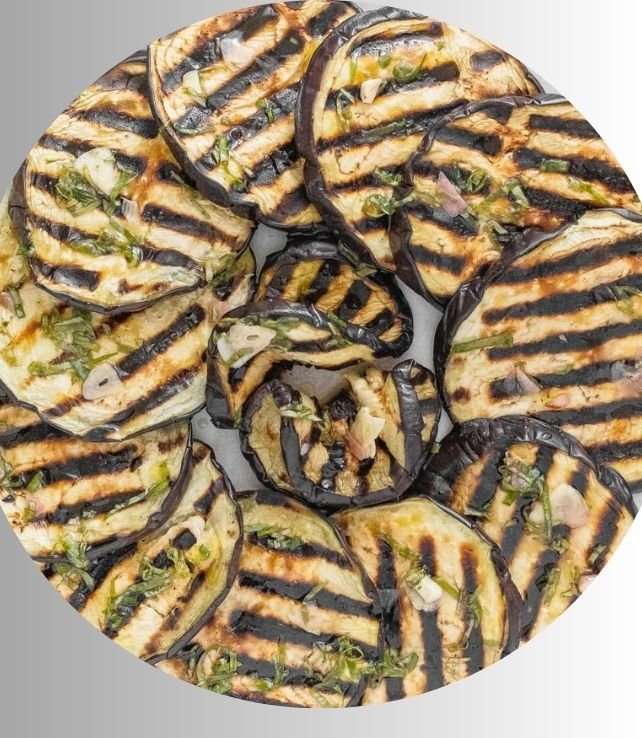
You find them at the farmers market, nestled among the familiar deep purple globes: slender, violet-streaked fruits that look like they were painted by hand. Graffiti eggplant, also known as Sicilian or striped eggplant, presents a unique opportunity. Its thinner skin, fewer seeds, and subtly sweet flesh demand a different approach than its larger cousins.
Many home cooks hesitate, unsure how to handle its distinctive appearance. The common mistake is to treat it like a standard globe eggplant, leading to overcooked exteriors or under-seasoned results. This recipe solves that by focusing on a method that celebrates its form and flavor. I developed this preparation after a summer of testing, aiming for a dish that is visually striking, deeply savory, and texturally perfect.
This guide provides the complete method for roasting graffiti eggplant to achieve creamy interiors and caramelized edges. Beyond the steps, we will explore its nutritional profile, trace its culinary history, and detail adaptations for various diets. My goal is to give you the confidence to transform this beautiful vegetable into a reliable centerpiece.
Understanding Your Main Ingredient: The Graffiti Eggplant
To cook something well, you must first know it. Graffiti eggplant (Solanum melongena) is not merely a colorful variant; its attributes directly influence cooking technique and outcome.
Physical and Flavor Profile
This variety is typically smaller, longer, and more cylindrical than the common globe type. Its skin is a vivid purple with white streaks or “graffiti,” which is where it gets its name. The skin is notably tender and entirely edible, eliminating the need for peeling.
The flesh is pale, dense, and contains significantly fewer seeds than larger varieties. This seed scarcity translates to less potential bitterness and a more consistent, creamy texture when cooked. Flavor-wise, it offers a mild, slightly sweet taste with none of the assertive earthiness some associate with older, larger eggplants.
A Brief Historical and Agricultural Context
While often marketed as “Sicilian,” the graffiti eggplant’s exact origins are part of a broader Mediterranean and Asian eggplant lineage. Eggplants were domesticated in Southeast Asia over 2,000 years ago, traveling westward along trade routes. The diversity of shapes and colors we see today, including striped varieties, developed through selective cultivation across Italy, the Middle East, and North Africa.
These particular striped types have been grown in Italian gardens for generations, prized for their early maturation and reliable yield. Their resurgence in modern farmers markets is a testament to the renewed interest in heirloom produce and visual appeal on the plate.
How to Make Graffiti Eggplant Recipe
This roasting method is designed to concentrate the eggplant’s natural sugars and achieve a contrast in textures. It is simple but precise.
Recipe Details
- Prep Time: 15 minutes
- Cook Time: 30-35 minutes
- Servings: 4
- Course: Main Course, Side Dish
- Cuisine: Mediterranean
- Diet: Vegetarian, Gluten-Free
Ingredients
- 4 medium graffiti eggplants (about 1.5 lbs total)
- 3 tablespoons extra-virgin olive oil, divided
- 1 teaspoon fine sea salt
- 1/2 teaspoon freshly ground black pepper
- 3 cloves garlic, minced
- 1 tablespoon fresh lemon juice
- 2 tablespoons chopped fresh parsley
- 1 tablespoon chopped fresh mint
- Optional for serving: 2 ounces crumbled feta cheese or vegan alternative, toasted pine nuts
Instructions
- Preheat your oven to 425°F (220°C). Position a rack in the center.
- Wash and dry the eggplants. Trim off the stem end. Slice each eggplant in half lengthwise.
- Using the tip of a sharp knife, score the cut side of each half in a cross-hatch pattern, about 1/2 inch deep. Be careful not to cut through the skin.
- Place the halves, cut-side up, on a parchment-lined baking sheet. Drizzle 2 tablespoons of olive oil evenly over the scored surfaces. Use your fingers or a brush to ensure the oil penetrates the cuts. Sprinkle evenly with salt and pepper.
- Roast for 30 to 35 minutes. The eggplant is done when the flesh is deeply golden brown, very tender, and slightly pulled back from the skin. A paring knife should slide in with no resistance.
- While the eggplant roasts, prepare the dressing. In a small bowl, combine the remaining 1 tablespoon of olive oil, minced garlic, and lemon juice.
- Once the eggplant is out of the oven, immediately spoon the garlic-lemon dressing over the hot halves. The residual heat will mellow the raw garlic bite.
- Garnish with chopped parsley, mint, and any optional toppings. Serve warm or at room temperature.
Nutrition
- Calories: 165 kcal
- Protein: 3 g
- Fat: 11 g
- Carbohydrates: 16 g
- Sugar: 8 g
- Fiber: 9 g
- Sodium: 600 mg
- Cholesterol: 0 mg
Note: Nutritional information is an estimate for one serving (two eggplant halves) without optional toppings.
Cooking Method
This recipe uses high-heat convection roasting. The dry, intense heat of the oven causes moisture within the eggplant to evaporate quickly. This process caramelizes the natural sugars on the scored surface while the interior steams in its own remaining moisture, resulting in a creamy texture. The scored flesh increases surface area for browning and allows the oil and seasoning to penetrate deeply.
Tools Needed
- Chef’s knife
- Cutting board
- Rimmed baking sheet
- Parchment paper
- Small mixing bowl
- Pastry brush (optional)
Nutritional Analysis and Health Benefits
From a dietary perspective, this dish is a nutrient-dense choice that supports several aspects of a balanced eating pattern.
Macronutrient and Micronutrient Profile
Eggplants are very low in calories and carbohydrates, with the majority of their carbs coming from fiber. A single serving of this recipe provides approximately 9 grams of fiber, which is about one-third of the daily recommended intake. This fiber is primarily insoluble, aiding digestive motility.
The fat content comes exclusively from olive oil, a source of monounsaturated fats. These fats are stable at high roasting temperatures and contribute to cardiovascular health. The dish contains no cholesterol and is naturally low in saturated fat.
Key micronutrients present include potassium, which helps regulate blood pressure, and manganese, a cofactor for enzymes involved in metabolism and antioxidant defense. The anthocyanins responsible for the purple pigment, particularly nasunin found in the skin, have been studied for their antioxidant and anti-inflammatory properties.
Integrating This Dish into Dietary Patterns
This recipe aligns with Mediterranean, vegetarian, vegan (without cheese), and gluten-free dietary frameworks. Its high fiber and moderate fat content promote satiety, which can aid in managing portion sizes of other foods in a meal. The lack of refined carbohydrates makes it suitable for those monitoring blood sugar levels, though individuals on strict low-potassium diets should consult a professional due to the vegetable’s potassium content.
Dietary Adaptations and Variations
The basic recipe is versatile. Here are specific modifications for different needs and tastes.
Allergen-Friendly and Specific Diet Modifications
For a vegan version, omit the feta cheese or use a firm, brined tofu crumbled with a pinch of salt and nutritional yeast. To make it nut-free, replace pine nuts with toasted sunflower seeds.
A low-sodium adaptation is straightforward: reduce the added salt to 1/4 teaspoon and rely on the fresh herbs and garlic for flavor. For an oil-free version, you can roast the eggplant on parchment without oil, though the final product will be less caramelized and more steamed in texture. A light mist of vegetable broth before roasting can help.
Flavor and Culinary Variations
While the garlic and herb finish is classic, other global flavor profiles work beautifully. For a Middle Eastern twist, top with a drizzle of tahini sauce and a sprinkle of za’atar after roasting. An Italian variation could include a spoonful of marinara sauce and a few shreds of basil in the final minutes of roasting.
You can also incorporate the roasted halves into other dishes. Scoop out the soft flesh and mix it into pasta sauces, grain bowls, or dips. The roasted halves themselves make excellent vessels for fillings like quinoa salad or spiced lentils.
Expert Techniques and Common Mistakes to Avoid
Success in cooking often lies in the details. These insights come from repeated testing of this specific variety.
Selection and Preparation Tips
Choose eggplants that are firm, heavy for their size, and have glossy, taut skin. The white streaks should be bright, not dull. Avoid any with soft spots or wrinkled ends. Store them uncut in a cool, dry place for up to three days; refrigeration can sometimes cause pitting.
Salting, or “sweating,” is often recommended for globe eggplants to draw out bitterness. With fresh, young graffiti eggplant, this step is almost always unnecessary due to their low seed count. Skipping it preserves more of their natural moisture and streamlines the process.
Optimizing the Roasting Process
The oven temperature is critical. Below 425°F, the eggplant may steam and become mushy without achieving the desirable caramelization. Ensure your oven is fully preheated. Do not overcrowd the baking sheet; the pieces need space for moisture to evaporate. If the pieces are packed too closely, they will steam instead of roast.
The cross-hatch scoring is non-negotiable for this method. It creates edges that crisp up and channels for the oil. If you skip scoring, the skin may puff up and separate from the flesh, and the seasoning will not penetrate.
Serving Suggestions, Pairing, and Storage
This dish functions beautifully in multiple roles on your table.
Meal Composition and Pairings
As a main course for two, serve two halves per person alongside a substantial grain like farro or bulgur wheat. For four as a side dish, it complements simply grilled chicken, fish, or lamb chops exceptionally well.
The creamy, savory flavor pairs with acidic and fresh elements. A simple tomato and cucumber salad or a bowl of tangy yogurt cuts through the richness. For wine, a medium-bodied, acidic red like a Sangiovese or a crisp white like a Vermentino works well.
Storage and Reheating Instructions
Store leftovers in an airtight container in the refrigerator for up to three days. The texture will soften further upon chilling. Reheating is best done in a conventional oven or toaster oven at 350°F until warmed through to restore some texture. Microwave reheating will make the eggplant very soft. The roasted eggplant does not freeze successfully, as the texture becomes watery and spongy upon thawing.
The Science of Cooking Eggplant
Understanding the physical changes during cooking helps demystify the process. Eggplant flesh is composed of plant cells held together by pectin. High heat breaks down this pectin, softening the structure.
Simultaneously, the water inside the cells heats up, expands, and escapes as steam. The scoring facilitates this escape, preventing the skin from bursting. The Maillard reaction—a chemical interaction between amino acids and reducing sugars—occurs on the hot, scored surface where moisture has evaporated, creating the complex, savory, browned flavors. The olive oil conducts heat efficiently and participates in these browning reactions.
Frequently Asked Questions
Can I use regular globe eggplant for this recipe?
You can, but adjustments are needed. Globe eggplant has thicker skin and more seeds. Peel it, cut into 1-inch cubes, salt it for 30 minutes to draw out moisture, then pat dry before tossing with oil and roasting. The cooking time may be shorter.
Why is my roasted eggplant mushy?
Mushiness is typically caused by oven temperature that is too low or overcrowding on the pan. Ensure your oven is at a full 425°F and the pieces are spaced at least an inch apart to allow for proper evaporation and caramelization.
Is it necessary to eat the skin?
With graffiti eggplant, the skin is tender, nutritious, and edible. It contains a significant portion of the vegetable’s fiber and antioxidants. There is no culinary or nutritional reason to remove it for this recipe.
Can I prepare this dish ahead of time?
You can roast the eggplant up to a day in advance. Store it covered in the refrigerator. Bring it to room temperature or reheat gently in the oven before adding the fresh dressing and herbs to maintain the best texture and flavor contrast.
What can I substitute for fresh mint?
If mint is not to your taste, fresh basil, dill, or oregano are excellent substitutes. Each will change the character of the dish slightly—basal toward Italian, dill toward Eastern European, oregano toward more robust Greek flavors.
My eggplant tastes bitter. What happened?
Bitterness in modern, fresh graffiti eggplant is rare. If it occurs, it may be from an older fruit or one that experienced significant water stress during growth. In the future, look for smaller, shinier specimens. Salting before cooking can mitigate bitterness in future attempts.
How do I know when the eggplant is fully cooked?
The visual and tactile cues are reliable. The scored flesh should be deeply golden brown and shrunken back slightly from the skin. When you insert a knife or fork into the thickest part, it should meet no resistance, and the flesh should feel uniformly soft.
