
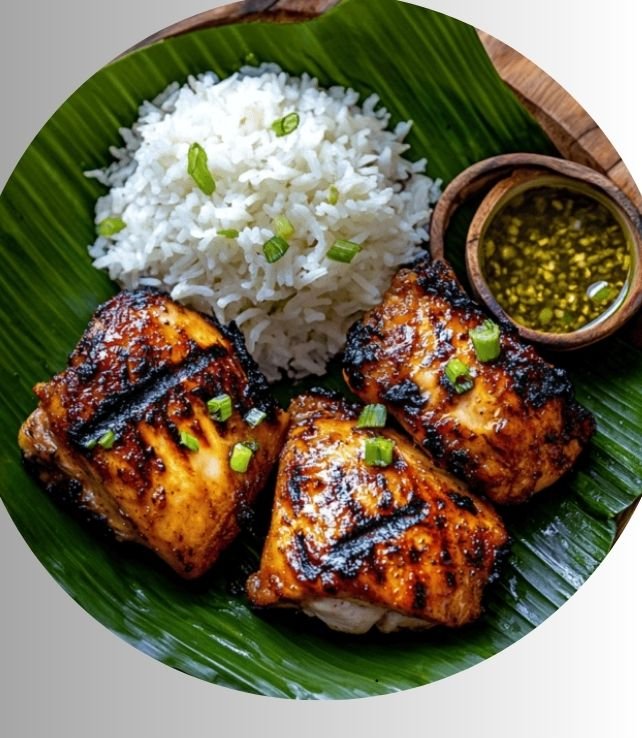
The scent of garlic, calamansi, and smoky annatto oil hitting a hot grill is, for me, the smell of home. It’s the aroma of family gatherings, of laughter echoing in a backyard, and of a dish that defines a region’s soul. I’m talking about Inasal, the iconic grilled chicken from the Philippines that is so much more than just barbecue.
As a dietician and culinary historian, I find Inasal to be a perfect case study. It’s a dish where tradition meets practical nutrition, where every ingredient has a purpose beyond flavor. My goal here is not just to give you a list of steps, but to provide the complete context. We will examine the cultural roots, the nutritional profile of each component, and the science behind its signature tang and char. This guide will help you understand the “why” behind the “how,” ensuring your version is authentic, delicious, and tailored to your dietary needs.
At its core, Inasal is chicken marinated in a mixture of calamansi (or lemon), garlic, ginger, brown sugar, and annatto oil, then basted and grilled to perfection. The result is chicken with a vibrant, tangy-savory flavor, a beautiful golden-red hue, and a distinct smoky aroma. Let’s begin by preparing the dish together.
How to Make Inasal Recipe
This recipe is my interpretation, refined through years of testing and rooted in traditional methods from Bacolod. The key is patience during the marination and attentiveness during the grilling process. We’ll build the marinade and the basting sauce, which are closely related but serve different purposes during cooking.
Recipe Details
- Prep Time: 4 hours 20 minutes (includes 4 hours marinating)
- Cook Time: 25-35 minutes
- Servings: 4-6 people
- Course: Main Course
- Cuisine: Filipino
- Diet: Dairy-Free
Ingredients
- 2 kg (about 4.5 lbs) chicken, cut into serving pieces (legs, thighs, wings)
- 1 head of garlic, minced
- 1 thumb-sized piece of ginger, minced
- 1 cup calamansi juice (or fresh lemon juice)
- 1/2 cup Filipino cane vinegar (or white vinegar)
- 1/2 cup soy sauce
- 1/2 cup brown sugar
- 1 tablespoon whole black peppercorns, crushed
- 2-3 stalks of lemongrass, white parts only, bruised
- 1 teaspoon salt
- 1/2 cup annatto (atsuete) oil (see preparation below)
- Banana leaves, for lining the grill (optional but recommended)
For the Annatto Oil:
- 1/2 cup cooking oil
- 1/4 cup annatto seeds
For Basting:
- Reserved 1/2 cup of the marinade (before adding to chicken)
- 1/4 cup annatto oil
- 1/4 cup melted chicken fat or cooking oil
Instructions
- First, prepare the annatto oil. Heat the 1/2 cup of cooking oil in a small pan over low heat. Add the annatto seeds and stir for 3-5 minutes until the oil turns a deep, vibrant red. Do not let the seeds smoke or burn, as this will make the oil bitter. Strain the oil into a bowl, discarding the seeds. Set aside to cool.
- In a large bowl, combine the calamansi juice, vinegar, soy sauce, brown sugar, minced garlic, minced ginger, crushed peppercorns, salt, and 1/2 cup of the prepared annatto oil. Whisk thoroughly until the sugar and salt are fully dissolved.
- Before adding the chicken, reserve 1/2 cup of this marinade in a separate small bowl. This will be the base for your basting sauce later.
- Place the chicken pieces and bruised lemongrass stalks into the large bowl with the remaining marinade. Using your hands, massage the marinade into the chicken, ensuring every piece is thoroughly coated.
- Cover the bowl and refrigerate for at least 4 hours, preferably overnight. Turning the pieces once or twice during this time ensures even flavor penetration.
- About 30 minutes before grilling, remove the chicken from the refrigerator to take the chill off. Prepare your basting sauce by combining the reserved 1/2 cup of marinade with 1/4 cup of additional annatto oil and 1/4 cup of melted chicken fat or oil.
- Prepare your grill for medium-high heat. If using, line the grill grate with banana leaves to prevent sticking and impart a subtle aroma. This also creates more smoke, enhancing the flavor.
- Place the chicken pieces on the grill. Cook for 20-35 minutes, turning frequently to prevent burning. Generously baste the chicken with the basting sauce every time you turn it. The chicken is done when the internal temperature reaches 74°C (165°F) and the skin is caramelized with dark, crispy edges.
- Serve immediately with steamed rice and a dipping sauce of soy sauce, calamansi, and siling labuyo (bird’s eye chili).
Nutrition
- Calories: ~450 kcal
- Protein: 35 g
- Fat: 28 g
- Carbohydrates: 15 g
- Sugar: 12 g
- Fiber: 0.5 g
- Sodium: 950 mg
- Cholesterol: 115 mg
Note: Nutritional values are estimates per serving (one chicken thigh with skin), based on specific ingredients used and include absorbed marinade and basting oils. Actual values can vary.
Cooking Method
The primary cooking method for Inasal is grilling over live charcoal. This is non-negotiable for authentic flavor. The dripping fats hitting the coals create the characteristic smoky flavor (pyrolysis) that cannot be replicated in an oven. A gas grill is a suitable alternative, but for the best results, use charcoal and consider adding wood chips like bamboo or coconut husk for an extra layer of aroma.
Tools Needed
- Large mixing bowl for marinating
- Grill (charcoal preferred, gas acceptable)
- Tongs
- Basting brush (silicone works well)
- Small saucepan for annatto oil
- Fine-mesh strainer
- Meat thermometer (highly recommended)
The Ingredients: A Functional and Historical Analysis
Each component in Inasal serves multiple purposes: flavor, tenderization, preservation, and color. Understanding this transforms you from a cook following a list into a creator understanding a process.
Annatto (Atsuete): The Color and Subtlety
Annatto seeds come from the *Bixa orellana* tree. Historically, they were used across the tropics as a dye for textiles and food. In Inasal, they provide no intense flavor, but a brilliant, appetizing golden-red color and a faint earthy, slightly peppery note. The pigment, bixin, is fat-soluble, which is why we steep it in oil. This oil then coats the chicken, helping it achieve that iconic visual appeal and contributing to a crispier skin during grilling.
The Acidic Trio: Calamansi, Vinegar, and Soy Sauce
This combination is the heart of the marinade’s power. Calamansi, a native Philippine citrus, offers a unique floral acidity that lemon cannot perfectly match, though lemon is a fine substitute. The acetic acid in vinegar and the glutamates in soy sauce work synergistically.
From a food science perspective, the acids begin to gently denature the surface proteins of the chicken, allowing the flavors to penetrate deeper. The soy sauce adds umami and salt, which further enhances flavor perception and aids in moisture retention through osmosis. Historically, this acidic and salty environment was crucial for preserving protein in a tropical climate before refrigeration.
Choosing Your Vinegar
Filipino cane vinegar, made from fermented sugarcane, is mildly sweet and less harsh than distilled white vinegar. Using it provides a more rounded acidity. If you only have white vinegar, consider reducing the quantity slightly or adding a teaspoon more brown sugar to balance it.
Aromatic Foundations: Garlic, Ginger, and Lemongrass
These are the flavor workhorses. Garlic and ginger provide pungent, warming notes that survive the grilling process. Lemongrass, specifically bruised to release its essential oils (primarily citral), infuses the marinade with a bright, citrus-herbal aroma that cuts through the richness of the chicken and smoke. It’s a signature note that separates Inasal from other grilled chicken dishes.
Sweetness and Caramelization: Brown Sugar
Brown sugar is not just for sweetness. Its molasses content promotes Maillard reaction—the chemical process responsible for browning and creating complex flavor compounds—during grilling. This results in the beautiful, slightly sticky, caramelized crust that is a hallmark of well-cooked Inasal.
Nutritional Perspective on Inasal
Analyzed through a dietician’s lens, Inasal presents a balanced profile of macronutrients. A typical serving provides a high-quality, complete protein source essential for muscle repair and satiety. The fats primarily come from the chicken skin and the annatto oil used in basting.
While the skin contributes saturated fat, it also houses vitamins and helps keep the meat juicy. The marinade’s acids may help reduce the formation of certain potentially harmful compounds that can occur during high-heat grilling of meat. The sodium content, primarily from soy sauce, is considerable. For those monitoring intake, the dietary adaptations section below provides solutions.
The carbohydrates are minimal and come solely from the sugar in the marinade, most of which caramelizes on the skin. When paired with a large portion of vegetables and a sensible amount of rice, it forms a complete meal.
Dietary Adaptations and Variations
Authenticity is a wonderful guide, but practicality and personal health are paramount. Here are tested adaptations that preserve the spirit of the dish.
Lower-Sodium Inasal
Replace the soy sauce with a low-sodium version, or use a 50/50 blend of soy sauce and coconut aminos. You can also increase the proportion of calamansi juice and vinegar slightly, adding a touch more annatto oil for richness to compensate for the reduced salty-umami punch.
Skinless or Leaner Cut Options
Using skinless chicken breasts or thighs is perfectly acceptable. The marinade will still provide flavor, but you must be extra vigilant during grilling to prevent drying. Baste more frequently with the annatto oil mixture and consider a shorter cooking time. A meat thermometer is essential here to avoid overcooking.
Vegan “Inasal” Adaptation
For a plant-based version, firm tofu or thick slices of young jackfruit (langka) are excellent canvases. Press the tofu to remove water, then score it to allow marinade penetration. Jackfruit should be boiled until tender first. Marinate as you would chicken, but grill over medium heat to achieve caramelization without burning the sugars. The annatto oil and lemongrass become even more critical for defining the flavor profile.
The Cultural and Historical Context of Inasal
Inasal is inextricably linked to Bacolod City and the wider Negros Occidental region in the Philippines. The name itself comes from the Hiligaynon word “inasal,” which means “to grill over hot coals.” Its proliferation is tied to the region’s history of sugarcane plantations. The abundance of cane vinegar became a staple in the local larder.
It started as a simple, resourceful way for locals to prepare chicken, using readily available ingredients: native citrus, garlic, ginger, and the vinegar from the dominant industry. The banana leaf lining is also a traditional practice, born from necessity to prevent meat from sticking to bamboo or metal grates, adding another layer of flavor from the smoldering leaf.
From these humble beginnings, it evolved into a point of regional pride, with dedicated “Manokan” (chicken) areas in Bacolod where the air is perpetually filled with its scent. Understanding this history enriches the cooking experience, connecting you to a culinary tradition built on ingenuity and local bounty.
Common Mistakes and Expert Tips for Perfection
After years of teaching this recipe, I’ve identified the most frequent hurdles and how to clear them.
- Mistake: Skipping the Long Marinate. The marinade needs time to work. Four hours is the minimum; overnight is ideal for flavor that penetrates to the bone.
- Mistake: Grilling on Too High Heat. This causes the sugar to burn black before the chicken cooks through. Use a medium-high, steady heat. The banana leaf liner also acts as a buffer.
- Mistake: Not Basting Frequently. Basting is not a one-time event. It’s a continuous process of adding layers of flavor and fat, which keeps the meat moist and builds the glaze. Turn and baste every 4-5 minutes.
- Tip: Bruise, Don’t Chop, the Lemongrass. Smash the stalk with the side of your knife to release its oils. Chopping it finely can make it stick to the grill and burn.
- Tip: Make Extra Annatto Oil. It keeps well in the refrigerator for weeks. Use it to fry rice, sauté vegetables, or as a base for other Filipino dishes like Pancit.
- Tip: Rest the Chicken. After grilling, let the chicken rest for 5 minutes on a plate. This allows the juices, which have been driven to the surface by the heat, to redistribute throughout the meat, ensuring every bite is succulent.
Serving, Pairing, and Storage Guidance
Inasal is a social food, best enjoyed with hands and shared with others. The traditional accompaniment is a mountain of plain steamed rice to soak up the flavorful oils and a simple sawsawan (dipping sauce) of soy sauce, calamansi, and chopped chilies.
For a complete meal, pair it with light, acidic side dishes to balance the richness. A classic Filipino cucumber and onion salad (pipino salad) or a tangy green mango salad (ensaladang mangga) are perfect. For vegetables, grilled eggplant with a fish sauce dressing complements the smokiness.
Leftovers can be stored in an airtight container in the refrigerator for up to 3 days. Reheat gently in an oven or toaster oven to re-crisp the skin. Flaked leftover Inasal meat is also fantastic as a topping for garlic fried rice or as a filling for wraps the next day.
Frequently Asked Questions
Can I bake Inasal in an oven instead of grilling?
You can, but the result will be different. Bake on a rack at 200°C (400°F), basting frequently, until the internal temperature reaches 74°C (165°F). You will achieve the flavor but miss the essential smoky aroma. For a compromise, finish under the broiler for a few minutes to char the skin.
What can I use if I can’t find calamansi?
A mixture of fresh lemon juice and a small amount of lime juice is the closest substitute. Use 3/4 cup lemon juice and 1/4 cup lime juice to approximate calamansi’s unique tart and floral profile.
Why is my Inasal turning out bitter?
Bitterness usually comes from burned annatto seeds or burned sugar. Ensure you make the annatto oil on low heat and strain the seeds out promptly. On the grill, control your heat to medium-high to caramelize, not incinerate, the sugar in the marinade.
Is it safe to baste with the marinade that touched raw chicken?
No, it is not. This is a critical food safety point. Always reserve a portion of the marinade for basting before it comes into contact with the raw chicken. The basting sauce is then mixed with fresh annatto oil and cooked fat, which is applied during the cooking process.
How do I get the chicken skin really crispy?
Three factors ensure crispy skin: pat the chicken pieces dry before marinating, use ample annatto oil in the basting sauce to promote frying on the grill, and maintain consistent heat without overcrowding the grill, which steams the skin.
Can I use boneless chicken for Inasal?
Yes, boneless chicken thighs are excellent for Inasal. They cook faster and are easier to eat. Reduce the grilling time significantly and use a thermometer to check for doneness (74°C or 165°F). The bones do contribute flavor, so the marinade becomes even more important.
What type of charcoal is best for grilling Inasal?
Lump charcoal is preferable to briquettes. It burns hotter and cleaner, with less chemical odor, allowing the natural flavors of the marinade and chicken to shine. Adding a few pieces of aromatic wood like bamboo or coconut shell can enhance the authentic scent.
