
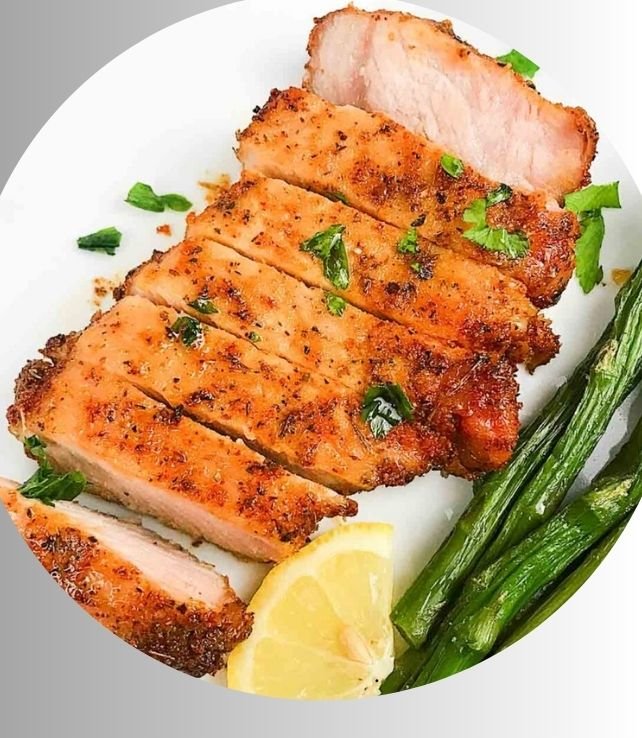
You have a Gourmia air fryer sitting on your counter, and you’ve mastered the basics. You can make crispy fries and juicy chicken wings. But then you hit a wall. What’s next? The real potential of this appliance lies beyond frozen snacks, in transforming everyday ingredients into something extraordinary with minimal effort and maximum health.
I understand this hesitation. As a dietician, I see clients who invest in air fryers for better eating habits, only to underuse them. As a culinary historian, I see a modern tool solving age-old kitchen challenges: achieving perfect texture without excess fat. This recipe is my answer to that crossroads. It’s a dish I developed not just for flavor, but to demonstrate the Gourmia’s versatility as a core cooking tool, using principles of nutrition and heat science. Let’s move beyond reheating and into real cooking.
The following guide provides a complete recipe for a foundational Gourmia air fryer meal, followed by a deep analysis of why it works. We will examine the ingredients, the nutritional logic, and the techniques that ensure success every time. This is more than a list of steps; it’s a masterclass in using your appliance with intention.
How to Make Gourmia Air Fryer Recipe
This recipe is for Herb-Roasted Chicken Thighs with Crispy Potatoes and Lemon. It is designed as a complete, balanced meal cooked simultaneously in your Gourmia air fryer. The high heat renders the chicken skin perfectly crisp while keeping the meat moist, and the potatoes roast in the rendered drippings, becoming golden and flavorful.
Recipe Details
- Prep Time: 15 minutes
- Cook Time: 25 minutes
- Servings: 4
- Course: Main Course
- Cuisine: American
- Diet: Gluten-Free
Ingredients
- 4 bone-in, skin-on chicken thighs (about 1.5 lbs total)
- 1 lb small Yukon Gold potatoes, halved
- 1 lemon, sliced into rounds
- 3 tbsp olive oil, divided
- 4 cloves garlic, minced
- 1 tbsp fresh rosemary, finely chopped
- 1 tbsp fresh thyme leaves
- 1 tsp smoked paprika
- 1 tsp kosher salt, divided
- ½ tsp freshly ground black pepper, divided
Instructions
- Pat the chicken thighs and potato halves completely dry with paper towels. This is critical for achieving crispiness.
- In a small bowl, combine 2 tablespoons of olive oil, minced garlic, rosemary, thyme, smoked paprika, ¾ teaspoon of salt, and ¼ teaspoon of black pepper to form a paste.
- Rub the herb paste evenly under the skin and over the entire surface of each chicken thigh. Allow to marinate while you prepare the potatoes, at least 10 minutes.
- In a medium bowl, toss the potato halves with the remaining 1 tablespoon of olive oil, ¼ teaspoon of salt, and ¼ teaspoon of black pepper.
- Preheat your Gourmia air fryer to 380°F (193°C) for 3 minutes.
- Place the seasoned potatoes in the air fryer basket in a single layer. Arrange the chicken thighs on top of the potatoes, skin-side up. Place the lemon slices around the edges.
- Cook for 22-25 minutes. At the 15-minute mark, pause the air fryer and use tongs to toss the potatoes, ensuring even browning. The chicken is done when the skin is deeply golden and an instant-read thermometer inserted into the thickest part of the thigh reads 165°F (74°C).
- Remove the basket. Let the chicken rest for 5 minutes before serving with the potatoes and roasted lemon slices.
Nutrition
- Calories: 420 kcal
- Protein: 28 g
- Fat: 25 g
- Carbohydrates: 22 g
- Sugar: 1.5 g
- Fiber: 3 g
- Sodium: 680 mg
- Cholesterol: 142 mg
Cooking Method
This recipe uses the air fryer’s convection roasting method. A high-speed fan circulates superheated air around the food, creating a Maillard reaction (browning) on the surface of the chicken and potatoes. This mimics the effect of deep-frying or oven-roasting but uses significantly less oil because the fat from the chicken skin renders and bastes the potatoes below.
Tools Needed
- Gourmia Air Fryer (any model with a basket)
- Mixing bowls
- Paper towels
- Tongs
- Instant-read meat thermometer
Ingredient Analysis and Selection
Every component in this recipe serves a specific functional and nutritional purpose. Understanding these roles allows you to make informed substitutions without compromising the result.
Choosing the Right Protein: Chicken Thighs
Bone-in, skin-on chicken thighs are the ideal cut for air frying. The bone acts as a heat conductor, cooking the meat evenly from the inside, while the subcutaneous fat layer under the skin slowly renders. This self-basting process is why thighs remain moist even at high temperatures, unlike leaner breasts which can dry out. From a nutritional standpoint, the fat content provides satiety and aids in the absorption of fat-soluble vitamins present in the herbs and olive oil.
The Potato Foundation
Yukon Gold potatoes were selected for their balanced starch and moisture content. Their waxy nature allows them to hold their shape and develop a crisp exterior without becoming mealy inside. The natural sugars in these potatoes caramelize beautifully at 380°F. For a lower-carbohydrate option, consider halved Brussels sprouts or cubed sweet potatoes, though cook times may need slight adjustment.
Building Flavor: Herbs, Oil, and Acid
Fresh vs. Dried Herbs
Fresh rosemary and thyme offer volatile oils that are bright and potent, which stand up to the intense cooking environment. If you must use dried herbs, reduce the quantity by two-thirds (use 1 tsp each) and add them directly to the olive oil to rehydrate slightly before applying.
The Role of Olive Oil
Extra virgin olive oil is used here for its flavor and smoke point. While its smoke point is lower than refined avocado oil, the air fryer’s rapid air circulation and the presence of moist food prevent it from reaching the point of degradation in this recipe. It carries the fat-soluble flavors of the herbs and garlic onto the food.
Lemon as a Catalyst
The lemon slices are not just garnish. As they roast, their sugars concentrate, and their juices partially vaporize, creating a subtle steam that keeps the chicken moist. The residual acidity on the slices after cooking provides a bright contrast to the rich chicken and potatoes when squeezed over the finished dish.
Nutritional Breakdown and Health Benefits
This meal is a model of balanced macronutrients, which is central to sustained energy and satisfaction. Let’s break down the nutritional synergy.
Macronutrient Harmony
The 28 grams of protein from the chicken supports muscle maintenance and promotes fullness. The 25 grams of fat is primarily monounsaturated (from olive oil) and saturated (from chicken), which are stable at high heat and contribute to hormonal health. The 22 grams of complex carbohydrates from the potatoes provide a steady glucose release, especially when consumed with the fiber (3g) and fat present.
The Air Frying Advantage: Fat Reduction
Traditional roasting might require coating the potatoes and pan in a quarter cup or more of oil. This recipe uses only 3 tablespoons total, and a portion of that renders off the chicken. Studies comparing air-fried to deep-fried foods show a reduction in fat content of 70% to 80%. This method significantly lowers the overall caloric density of the meal while preserving the sensory experience of crispy, fatty textures.
Bioavailability of Nutrients
Cooking with fat and certain herbs increases the bioavailability of nutrients. The fat-soluble vitamins in the herbs and the antioxidants in garlic and paprika are better absorbed by the body when consumed with the dietary fat from the chicken and olive oil. Furthermore, the high heat can increase the antioxidant capacity of certain spices like paprika.
Dietary Adaptations and Variations
This recipe is inherently gluten-free. For other dietary needs, consider these precise swaps.
Vegan and Plant-Based Adaptation
Replace chicken thighs with extra-firm tofu, pressed and cut into 1-inch slabs, or a cauliflower steak. Use a marinade of olive oil, smoked paprika, nutritional yeast (for umami), and soy sauce or tamari. Increase the potato quantity and add hearty vegetables like thick-cut mushrooms. Cook at 375°F, checking tofu at 15 minutes for desired firmness.
Dairy-Free and Low-Sodium Options
The recipe is already dairy-free. For lower sodium, reduce the kosher salt to ½ teaspoon total and rely more on the garlic, herbs, and black pepper for flavor. A dash of citric acid or extra lemon zest can enhance the perception of saltiness without adding sodium.
Alternative Protein and Vegetable Swaps
Boneless, skinless chicken breasts can be used. Pound them to an even ¾-inch thickness and reduce cooking time to 15-18 minutes, monitoring temperature closely to avoid overcooking. For vegetables, carrots, parsnips, or radishes roast well. Denser vegetables may require a brief par-boil before air frying to ensure tenderness.
Cultural and Historical Context of the Technique
While the air fryer is a 21st-century invention, the culinary principles it employs are ancient. The concept of circulating hot air for cooking dates back to the use of clay tandoors in ancient India and Mesopotamia over 5,000 years ago. These ovens used radiant heat and convection to cook meat and bread quickly and evenly.
The modern quest for “fried” texture without submersion in oil gained momentum in the late 20th century with the invention of convection ovens. The air fryer is essentially a countertop, hyper-efficient convection oven. This recipe taps into the timeless desire for roasted, caramelized food—a flavor profile humans have sought since mastering fire—using a tool that optimizes energy and time, reflecting contemporary needs for efficiency and health.
Common Mistakes and Expert Tips for the Gourmia
Success with any appliance comes from understanding its quirks. Here are the pitfalls to avoid.
Avoiding Crowding and Ensuring Airflow
The single greatest error is overfilling the basket. Food must be in a single layer with space between pieces. If stacked or crowded, the air cannot circulate, resulting in steamed, soggy food. Cook in batches if necessary. The layered approach in this recipe—potatoes below, chicken above—uses the basket’s vertical space wisely without blocking airflow.
Mastering Temperature and Time
Not all air fryers calibrate identically. The 380°F specified is a tested sweet spot for rendering chicken fat and crisping potatoes without burning the herbs. Use the preheat function for consistent results. Always use an instant-read thermometer for protein; visual cues alone are unreliable in an air fryer’s rapid environment.
Preparation is Key
Skipping the step of drying the chicken and potatoes will guarantee a limp outcome. Surface moisture creates steam, which is the enemy of crispness. Furthermore, applying the herb paste under the skin flavors the meat directly and protects it from direct heat, while allowing the skin above to become perfectly crisp and seasoned.
Serving, Pairing, and Storage Guidance
This meal is designed to be complete, but thoughtful accompaniments can enhance it.
Plating and Accompaniments
Serve directly from the basket onto plates, ensuring each person gets a chicken thigh, a portion of potatoes, and a roasted lemon slice. The lemon should be squeezed over everything just before eating. A simple arugula salad with a sharp vinaigrette provides a fresh, peppery contrast that cuts the richness.
Optimal Storage and Reheating
Store leftovers in an airtight container in the refrigerator for up to 3 days. To reheat, use the air fryer again at 350°F for 4-5 minutes. This will restore crispness far better than a microwave, which will make the skin rubbery. The potatoes may take a minute longer than the chicken.
The Science of Air Frying: Why It Works
The efficacy of your Gourmia relies on the Maillard reaction and rapid heat transfer. When the surface temperature of food exceeds 285°F (140°C), amino acids and reducing sugars react, creating hundreds of new flavor compounds and the characteristic brown, crispy exterior. The air fryer’s powerful fan forces this hot air into every crevice at a high rate, accelerating this reaction across the entire surface area.
Simultaneously, the fat from the chicken skin renders. In deep frying, this fat would be lost to the oil bath. In the air fryer, it drips onto the potatoes below, where it is immediately absorbed and fried into their surface, creating a flavor connection between the two ingredients that is both efficient and delicious. This is a form of “closed-system” cooking that maximizes the utility of every ingredient.
Frequently Asked Questions
Can I use frozen chicken thighs in this Gourmia recipe?
No, I do not recommend starting with frozen chicken. The exterior will cook too quickly before the interior thaws, leading to uneven cooking and potentially unsafe temperatures. Always thaw chicken completely in the refrigerator and pat it dry before seasoning and cooking.
Why are my potatoes not getting crispy in the air fryer?
The most likely cause is overcrowding the basket, which traps steam. Ensure potatoes are in a single layer with space. Also, make sure they are thoroughly dried after washing and adequately coated in oil, which conducts heat to their surface to promote browning.
Do I need to flip the chicken during cooking?
For this specific recipe, no. Placing the chicken skin-side up allows the radiant heat from the top element to focus on crisping the skin. The potatoes below cook in the rendered fat. Flipping could tear the skin and is unnecessary due to the consistent air circulation.
How do I prevent the herbs from burning?
By mixing the herbs into an oil-based paste and applying them under the skin and on the meat (not just on top), they are protected from direct, intense heat. The oil also helps to distribute the heat more evenly around the herbs, toasting them rather than incinerating them.
Can I cook other parts of the chicken with this method?
You can adapt it for drumsticks or wings, but adjust the time. Drumsticks may take a similar time, while wings will cook faster, in about 18-20 minutes. Always use a meat thermometer to confirm an internal temperature of 165°F (74°C) at the thickest part, away from the bone.
Is it necessary to preheat the Gourmia air fryer?
Yes, for consistent results, preheating is important. It ensures the food starts cooking immediately at the right temperature, which is key for proper browning and texture development. A 3-minute preheat at your target temperature is sufficient for most models.
How do I clean my Gourmia after making this recipe?
Always unplug the unit and let it cool completely. Remove the basket and tray. The non-stick basket can usually be washed with warm, soapy water. For stubborn, polymerized grease (common with chicken fat), a paste of baking soda and water can be used as a gentle abrasive. Never use harsh scouring pads. Wipe the interior and exterior with a damp cloth.
Can I double this recipe?
You cannot effectively double it for a single cook cycle due to airflow constraints. To serve more people, you must cook in sequential batches. Keep the first batch warm in a 200°F oven on a wire rack (so it stays crisp) while the second batch cooks. Alternatively, use a second air fryer if available.
