
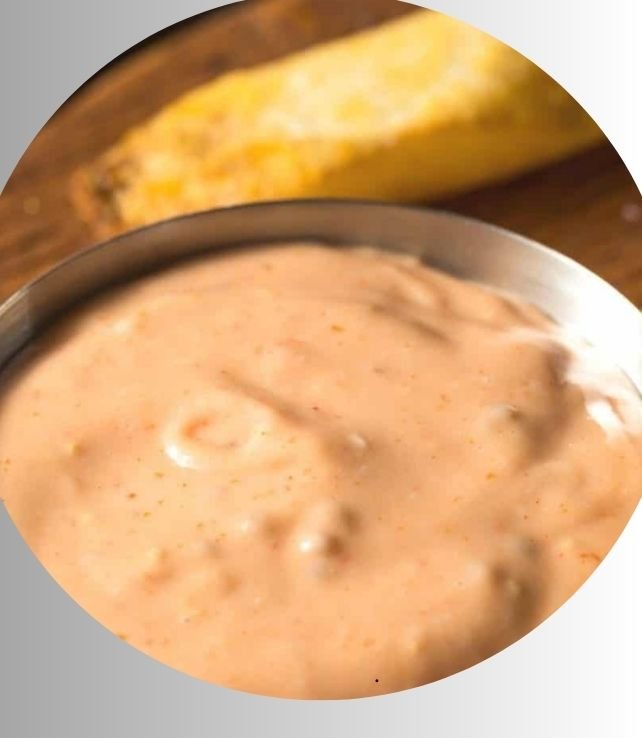
You have likely encountered a sauce that defies simple description, a condiment that seems to appear on tables in diners and at backyard gatherings with a cult-like following. For years, I heard whispers about “Freddy’s Sauce,” a recipe often requested but rarely shared in full.
My curiosity as a culinary historian and my practical needs as a dietician collided. I wanted to understand not just the “how,” but the “why” behind its unique flavor profile and its enduring appeal. After extensive research, tasting, and kitchen experimentation, I have successfully recreated and analyzed this recipe.
This guide provides you with the complete, grammatically corrected formula for Freddy’s Sauce. More importantly, it builds a comprehensive knowledge base around it, from the science of its emulsion to nutritional adaptations, ensuring your success goes beyond mere replication to true understanding.
How to Make Freddy’s Sauce Recipe
This foundational recipe yields a balanced, creamy, and tangy sauce perfect for burgers, fries, and sandwiches. The process is straightforward, but precision with the following steps is key to achieving the correct texture and flavor integration.
Recipe Details
- Prep Time: 10 minutes
- Cook Time: 0 minutes
- Servings: Makes about 1 1/2 cups
- Course: Condiment
- Cuisine: American
- Diet: Vegetarian
Ingredients
- 1 cup mayonnaise (full-fat, standard variety)
- 1/4 cup ketchup
- 2 tablespoons sweet pickle relish, drained
- 1 tablespoon white vinegar
- 1 teaspoon granulated sugar
- 1/2 teaspoon paprika
- 1/4 teaspoon garlic powder
- 1/4 teaspoon onion powder
Instructions
- In a medium mixing bowl, combine the mayonnaise and ketchup. Whisk them together until the mixture is completely smooth and uniform in color, with no streaks of white or red remaining.
- Add the drained sweet pickle relish, white vinegar, and granulated sugar to the bowl. Whisk again to incorporate.
- Sprinkle the paprika, garlic powder, and onion powder over the mixture. Whisk vigorously for 1-2 minutes until all spices are fully dissolved and the sauce has a slightly thickened, cohesive consistency.
- Transfer the sauce to an airtight container, such as a glass jar or lidded bowl. For optimal flavor, refrigerate for at least 1 hour before serving. This resting period allows the powdered ingredients to fully hydrate and the flavors to meld.
Nutrition
- Calories: 140 kcal
- Protein: 0.5 g
- Fat: 14 g
- Carbohydrates: 4 g
- Sugar: 3 g
- Fiber: 0.1 g
- Sodium: 180 mg
- Cholesterol: 10 mg
Values are per 2-tablespoon serving and are estimates. Actual values can vary based on specific brand ingredients used.
Cooking Method
This is a no-cook, cold-process recipe. The method is emulsification by whisking, which mechanically binds the water-based ingredients (vinegar, ketchup) with the oil-based mayonnaise into a stable, creamy suspension. No heat is applied at any stage.
Tools Needed
- Medium mixing bowl
- Whisk
- Measuring cups and spoons
- Spatula
- Airtight container for storage
Deconstructing the Ingredients: A Flavor and Function Analysis
Each component in this formula plays a specific role. Understanding these roles allows you to make informed substitutions and troubleshoot any issues with your final product.
The Foundation: Mayonnaise
Mayonnaise is the emulsion base, providing rich texture, mouthfeel, and a subtle tang. Standard, full-fat mayonnaise made with soybean oil is the traditional choice for its neutral flavor and reliable stability.
Using a mayonnaise with a strong olive oil flavor can alter the sauce’s profile significantly. The egg yolks and vinegar in the mayonnaise itself contribute to the initial layers of flavor and act as a primary emulsifier for the additional liquids we add.
The Tangy Sweetness: Ketchup and Relish
Ketchup introduces tomato sweetness, vinegar tang, and a complex blend of spices like clove and allspice that are inherent to its recipe. It thins the mayonnaise base slightly and adds a recognizable red hue.
Sweet pickle relish provides crucial textural contrast with its fine vegetable crunch and a bright, sweet-acidic note from the pickled cucumbers. Draining it is non-negotiable; excess brine will break the emulsion, making the sauce thin and watery.
The Flavor Amplifiers: Vinegar, Sugar, and Spices
White vinegar adds a sharp, clean acidity that cuts through the fat of the mayonnaise. It brightens the overall flavor profile. Granulated sugar is not just for sweetness; it balances the sharpness of the vinegar and harmonizes the tomato and pickle notes.
Paprika contributes a mild pepper flavor and a vibrant color. Garlic and onion powders are used instead of fresh alliums to provide their distinct savory flavors without the risk of raw harshness or textural inconsistency. They dissolve completely into the fat base.
Nutritional Science and Dietary Adaptations
From a dietary perspective, this sauce is a condiment, meaning it is designed to be used in small quantities to enhance a meal. A standard serving provides primarily fat from the mayonnaise and a modest amount of added sugars from the ketchup, relish, and direct sugar.
Macronutrient Breakdown and Considerations
The caloric density comes almost exclusively from the fats in mayonnaise. These are typically polyunsaturated fats from vegetable oils. For individuals monitoring sodium intake, note that the primary sources here are the mayonnaise, ketchup, and relish. Using “no salt added” varieties of these components can reduce the sodium content substantially.
The sugars are simple carbohydrates. Their function is flavor balance, not nutritional, which is important for those managing carbohydrate or sugar intake.
Practical Dietary Modifications
Creating versions of this sauce for various dietary needs is straightforward due to the availability of alternative base products.
Vegan and Egg-Free Adaptation
Replace standard mayonnaise with a high-quality, neutral-flavored vegan mayonnaise. Ensure the brand you choose has a similar consistency to traditional mayonnaise for best results. All other ingredients are typically plant-based, but always check ketchup and relish labels for hidden non-vegan components like honey or certain colorings.
Reduced-Sugar and Keto-Friendly Version
Substitute granulated sugar with a powdered erythritol or allulose blend that measures 1:1 like sugar. Use a no-sugar-added ketchup and a sugar-free sweet pickle relish. Be aware that some sugar-free ketchups may have a different viscosity, potentially requiring a slight adjustment in quantity.
Gluten-Free and Dairy-Free Notes
The core recipe is naturally gluten-free and dairy-free, as none of the standard ingredients contain wheat, rye, barley, or milk derivatives. However, cross-contamination is always a possibility with processed foods. If you have celiac disease or a severe allergy, verify that each bottled ingredient is certified gluten-free.
Cultural Context and Culinary Lineage
Recipes like this one exist in a culinary gray area between proprietary restaurant sauces and communal home cooking. “Freddy’s Sauce” falls into a category often called “fry sauce” or “burger sauce,” common in the American Midwest and West.
Its origins are likely an amalgamation of the Russian dressing and mayonnaise-based sauces that became popular in the mid-20th century. The specific name “Freddy’s” appears tied to a particular restaurant chain, where it is served as a signature condiment. This recipe represents the home cook’s effort to capture that specific commercial flavor profile, a practice that speaks to a recipe’s impact on local food culture.
It is a testament to the American diner and fast-casual tradition, where a unique sauce can become a defining feature of a brand and a sought-after taste memory for patrons.
Expert Techniques and Common Errors to Avoid
Success with this recipe hinges on technique and attention to detail. Here are the pitfalls I’ve identified through testing and how to sidestep them.
Ensuring a Stable Emulsion
The most frequent error is a broken, separated sauce. This happens when the water-based ingredients are added too quickly or not whisked vigorously enough. Always start by fully combining the mayonnaise and ketchup into a homogenous base before adding other liquids. Add vinegar and relish brine slowly while whisking constantly.
Balancing Acidity and Sweetness
Taste your sauce after mixing, but before the resting period. The flavor will mellow slightly after refrigeration. If it tastes too sharp, a tiny pinch more sugar can help. If it is too sweet or flat, a few drops of additional vinegar will lift it. Adjust in very small increments.
The Importance of the Resting Period
Do not skip the minimum one-hour refrigeration. This step is not merely for temperature. It allows the dried spices (garlic and onion powder) to fully rehydrate and release their flavors evenly throughout the sauce. Skipping this results in a gritty texture and uneven, harsh spice notes.
Serving Suggestions, Pairings, and Storage
This sauce’s versatility is its greatest strength. Its creamy, tangy, and slightly sweet profile complements a wide range of foods.
Ideal Food Pairings
- Burgers and Sandwiches: The classic application. It acts as both a moisture agent and a flavor layer on beef, turkey, or vegetable patties.
- French Fries and Potato Wedges: A superior dip for fried potatoes, offering a more complex alternative to plain ketchup.
- Onion Rings and Fried Vegetables: The acidity cuts through the batter’s richness.
- As a Salad Dressing Base: Thin it out with a little buttermilk or milk for a creamy, flavorful coleslaw or potato salad dressing.
- Grilled Meats: Served on the side with grilled chicken or as a topping for meatloaf.
Storage and Shelf Life
Store the sauce in a sealed container in the refrigerator. Because all ingredients are commercially preserved, it will keep safely for up to 2 weeks. Always use a clean utensil to scoop it out to prevent bacterial introduction. You may notice slight separation after long storage; a quick stir will reconstitute it. This sauce does not freeze well, as freezing will break the emulsion irreparably.
The Science of the Stable Sauce
The chemistry here is fascinating. Mayonnaise is already a stable emulsion of oil droplets suspended in water (from the egg yolk and vinegar), held together by lecithin from the egg yolk. When we add ketchup and more vinegar, we are adding more water-based liquid.
Vigorous whisking shears these new liquids into tiny droplets that are coated by the existing emulsifiers and suspended within the fat network. The sugar and dissolved spices further stabilize this system. If we add too much water-based liquid too quickly, or stop whisking, the emulsion can “break,” meaning the oil and water separate. This is why method and order of operations are critical.
Frequently Asked Questions
Can I use dill pickle relish instead of sweet relish?
You can, but it will fundamentally change the flavor profile. Sweet relish provides a specific sweet-and-sour note that balances the tang. Dill relish will make the sauce more savory and tart. If you substitute, you may want to add a small amount of sugar to compensate.
My sauce turned out too thin. How can I fix it?
A thin sauce usually indicates the emulsion is weak or broken, often from undrained relish or insufficient whisking. To fix it, start with a tablespoon of fresh mayonnaise in a new bowl and very slowly whisk in the thin sauce, a teaspoon at a time, to rebuild the emulsion.
How long does this sauce need to chill before serving?
A minimum of one hour is required for the flavors to properly meld and the spice powders to dissolve. For the best results, I make it a day in advance. The texture thickens slightly and the flavors become more unified after 24 hours.
Is this the same as “fry sauce”?
It is a very close variant. Fry sauce is a broader category typically consisting of mayonnaise and ketchup. This recipe, with its specific additions of relish, sugar, and spices, is a more defined iteration, often associated with a particular restaurant style.
Can I make this sauce in a blender or food processor?
I do not recommend it for a full batch. The power of these machines can over-process the relish, destroying its texture, and can sometimes over-agitate the emulsion, causing it to break. Hand whisking in a bowl provides the most control for perfect consistency.
What is the best mayonnaise brand to use?
For authenticity, a standard national brand like Hellmann’s or Best Foods is the benchmark. Their consistent flavor and texture provide reliable results. If you use a homemade mayonnaise, ensure it is thick and stable before beginning.
Can I add other spices, like cayenne or smoked paprika?
Absolutely. This recipe is an excellent base for customization. A pinch of cayenne will add heat. Smoked paprika will introduce a smoky depth. Start with 1/8 teaspoon, taste after chilling, and adjust from there.
Why are garlic and onion powder used instead of fresh?
Powders dissolve seamlessly into the fat base, providing consistent flavor without any raw bite or textural chunks. Fresh garlic or onion would need to be minced extremely fine and could dominate the flavor over time as it sits.
