
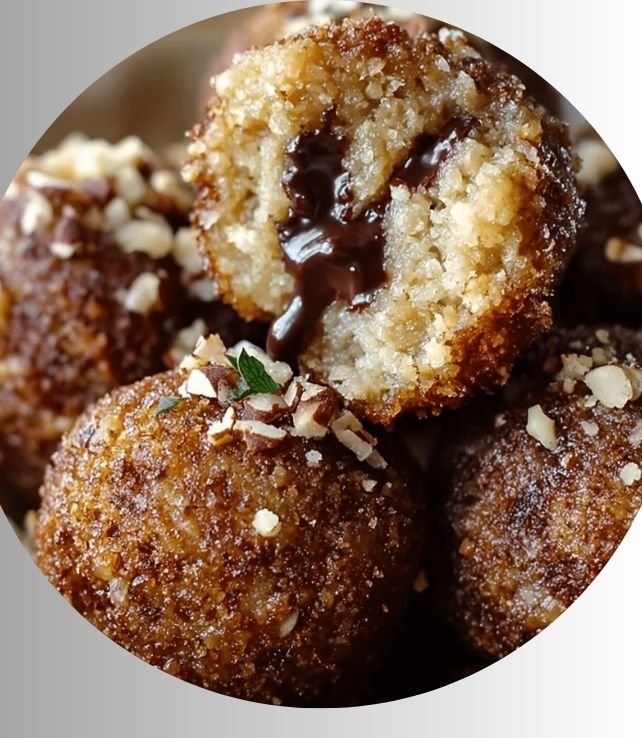
You’ve likely heard the name and wondered what it could possibly be. I know I did the first time a friend mentioned it, describing a potent, energy-boosting snack that was a staple during their long work shifts. It sounded like a modern myth, a culinary shortcut to sustained focus.
As a dietician and culinary enthusiast, I was skeptical but intrigued. The name “Donkey Balls” is certainly memorable, but the concept behind it—a concentrated, no-bake treat built around coffee—deserved a closer look. I decided to deconstruct it, test it in my own kitchen, and analyze its place in a balanced diet.
This recipe is for a specific type of energy bite. It combines strong brewed coffee or espresso with nut butter, oats, and sweetener, then is frozen into portions. The result is a dense, chewy, intensely flavored pick-me-up. Below, you will find the complete method I developed after several batches, followed by a comprehensive analysis of every component, its nutritional impact, and how to tailor it to your needs.
How to Make Donkey Balls Recipe
This is the foundational method. The process is straightforward, but the quality of your ingredients will define the final product. We will explore each element in great detail in the sections that follow.
Recipe Details
- Prep Time: 15 minutes
- Cook Time: 0 minutes (plus 2 hours freezing)
- Servings: 12 balls
- Course: Snack
- Cuisine: American
- Diet: Vegetarian (with adaptations for vegan, gluten-free)
Ingredients
- 1 cup old-fashioned rolled oats
- 1/2 cup smooth, unsalted almond butter
- 1/4 cup honey or pure maple syrup
- 2 tablespoons finely ground coffee beans or 1 shot (30ml) of cooled espresso
- 1 teaspoon pure vanilla extract
- 1/4 teaspoon sea salt
- Optional for coating: 2 tablespoons cocoa powder, crushed nuts, or shredded coconut
Instructions
- If using whole coffee beans, grind them into a very fine powder using a clean coffee grinder or high-powered blender. The consistency should resemble flour. If using espresso, ensure it is completely cooled to room temperature.
- In a medium mixing bowl, combine the rolled oats, almond butter, your chosen sweetener, the coffee powder or cooled espresso, vanilla extract, and sea salt.
- Stir the mixture vigorously with a sturdy spoon or spatula until a thick, uniform dough forms. It should hold together when pinched. If the mixture seems too dry, add a teaspoon of water or more sweetener. If it seems too wet, add a tablespoon more oats.
- Cover the bowl and place the dough in the refrigerator for 20-30 minutes. This step makes the mixture easier to handle and shape.
- Using a tablespoon measure or a small cookie scoop, portion the dough. Roll each portion firmly between your palms to form a smooth, compact ball, about 1 inch in diameter.
- If desired, roll each ball in cocoa powder, crushed nuts, or coconut to coat.
- Place the finished balls on a parchment-lined plate or baking sheet. Transfer to the freezer for at least 2 hours, or until completely firm.
- Store in an airtight container in the freezer. Consume directly from frozen.
Nutrition
- Calories: 120 kcal
- Protein: 3 g
- Fat: 6 g
- Carbohydrates: 15 g
- Sugar: 7 g
- Fiber: 2 g
- Sodium: 50 mg
- Cholesterol: 0 mg
Note: Values are approximate and based on using almond butter and honey. They will vary with ingredient substitutions.
Cooking Method
This is a no-bake, no-cook recipe. The primary techniques involved are mixing, shaping, and freezing. The chemical process is one of binding and stabilization through fat (nut butter), soluble fiber (oats), and the freezing of available water content, which creates the firm, chewy texture.
Tools Needed
- Medium mixing bowl
- Measuring cups and spoons
- Mixing spoon or spatula
- Coffee grinder or blender (if using whole beans)
- Baking sheet or plate
- Parchment paper
Ingredient Analysis and Selection
Each component in this formula serves a structural, flavor, or functional purpose. Understanding these roles allows for intelligent substitutions without compromising the final product.
Choosing Your Coffee: Beans, Brews, and Flavor
The coffee is the defining character. Using finely ground beans introduces a granular texture and a robust, slow-release caffeine experience. Using cooled espresso integrates more moisture and a deeper, caramelized flavor note from the brewing process.
For ground beans, a medium to dark roast typically works best, offering chocolatey or nutty notes that pair well with the other ingredients. A light roast with fruity acidity might create a discordant flavor profile. The grind must be as fine as possible to avoid a gritty mouthfeel.
If you opt for espresso, ensure it is completely cool. Adding warm liquid will melt the nut butter fats and make the dough impossibly sticky and difficult to set.
Nut Butters: The Structural Core
Almond butter is listed for its neutral, slightly sweet flavor. However, this is a prime area for customization. The fat and protein content in nut butters act as the primary binder, replacing eggs or butter found in other snacks.
Peanut butter will give a more pronounced, classic flavor. Cashew butter is exceptionally creamy and mild. For a seed-based option, sunflower seed butter works perfectly and is allergen-friendly. The key is to use a natural, stirred variety without added oils or sugars. The separated oil at the top of the jar is necessary for the right consistency.
Sweeteners: Binding and Balance
Honey and pure maple syrup are liquid sweeteners that contribute to binding while adding their distinct flavors. Honey offers floral notes and thicker viscosity. Maple syrup provides a woody, complex sweetness.
From a functional standpoint, these liquid sweeteners are hygroscopic, meaning they attract and hold water molecules. This helps keep the final product chewy even when frozen solid. Substituting with a dry sweetener like coconut sugar would require adding another liquid, such as milk or more espresso, to achieve the correct dough texture.
Oats: The Fiber Framework
Old-fashioned rolled oats are non-negotiable. They provide bulk, a pleasant chew, and a significant amount of soluble fiber, specifically beta-glucan. This fiber slows digestion, which contributes to a more gradual release of energy.
Instant oats are too finely cut and will absorb moisture differently, potentially creating a pasty texture. Steel-cut oats are too hard and will not soften adequately without cooking. Ensure your oats are certified gluten-free if that is a dietary requirement.
Nutritional Breakdown and Dietary Impact
As a dietitian, I assess snacks not just by their calorie count, but by their functional nutrient delivery. This preparation is interesting because it is a concentrated source of several key nutrients.
The macronutrient profile is balanced, providing complex carbohydrates from oats, healthy fats and protein from nut butter, and simple carbohydrates for immediate energy from the sweetener. The caffeine, of course, is a central nervous system stimulant.
The fiber content, primarily from the oats, is crucial. It modulates the absorption of the sugars and fats, preventing a rapid spike and crash in blood sugar. This makes the energy release more sustained than what you might experience from a sugary coffee drink. The portion size is also self-limiting; one or two balls is typically sufficient, which helps manage overall intake.
Dietary Adaptations and Variations
This recipe is inherently adaptable. Here are specific, tested modifications for common dietary needs.
Vegan Adaptation
Simply use maple syrup instead of honey. Ensure your chocolate or cocoa powder for coating is dairy-free. All major nut and seed butters are plant-based.
Gluten-Free Adaptation
Use oats that are certified gluten-free. Oats are naturally gluten-free but are often contaminated during processing. This is the only change required.
Lower-Sugar Version
Reduce the honey or maple syrup to 2 tablespoons. You may need to add a tablespoon of water or unsweetened almond milk to help the mixture bind. The flavor will be less sweet and more focused on the coffee and nut notes.
Protein-Enhanced Version
Add two scoops of unflavored or vanilla collagen peptides or a plant-based protein powder. Note that adding dry powder will absorb moisture, so you will likely need to add an extra tablespoon of nut butter or a liquid to compensate.
Cultural Context and Practical Evolution
Recipes like this often emerge from practical need rather than a formal culinary tradition. The name “Donkey Balls” and similar concepts like the “Iced Coffee Loophole” point to a modern, informal food culture focused on functional energy.
It shares DNA with historic travel foods like pemmican (a mixture of fat, protein, and berries) or energy-dense oatcakes—portable, shelf-stable sustenance. Today’s version swaps rendered fat for nut butter and sweetens with honey, but the principle is ancient: create a compact, calorie-dense food that provides lasting fuel.
The use of coffee as a primary flavor and functional ingredient ties it directly to contemporary routines. It is a snack designed for a fast-paced lifestyle, where a separate coffee and a snack are consolidated into one portable item.
Common Mistakes and How to Avoid Them
After testing multiple batches, I identified a few key pitfalls that can affect texture and success.
Dough Too Sticky or Too Crumbly
If your dough won’t hold together, it is likely too dry. This can happen with a particularly thick nut butter or if you measured the oats too heavily. Fix it by adding more liquid—a teaspoon of water, espresso, or more sweetener at a time.
If the dough is greasy and sticks to your hands, it is too wet. This can occur with runny nut butter or from using warm espresso. Correct it by adding more oats, one tablespoon at a time, until it becomes manageable. Chilling the dough before shaping is non-negotiable for a sticky mixture.
Weak Coffee Flavor or Gritty Texture
A bland result means your coffee isn’t potent enough. Use a darker roast or increase the ground coffee by half a tablespoon. For espresso, ensure you’re using a full, strong shot.
Grittiness comes from improperly ground coffee. If you are grinding whole beans, process them until they feel like powder between your fingers. Pre-ground coffee for drip machines is not fine enough.
Storage and Texture Degradation
These must be stored in the freezer in an airtight container. In the refrigerator, the fat can soften, and they may become overly soft and lose their shape. They are meant to be eaten cold and firm.
Serving, Pairing, and Storage Guidelines
Consume one ball directly from the freezer. The texture is meant to be chewy and firm, not soft. They are a standalone snack, best consumed 20-30 minutes before physical or mental activity when you need sustained energy.
Pairing them with a glass of water is advisable, as the concentrated nature of the snack and the caffeine content make hydration important. They are not typically served as a dessert.
For storage, use a rigid, airtight container in the freezer. Separate layers with parchment paper if stacking. They will keep for up to 2 months. There is no need to thaw before eating.
The Science of Binding and Freezing
The success of this no-bake treat relies on basic food science. The nut butter provides a continuous phase of fat and protein that coats the other particles. The soluble fiber in the oats and the liquid sweetener form a viscous gel that helps lock everything together.
Freezing does not just make them cold; it solidifies the fat matrix and the water present within the ingredients. This transformation gives the balls their structural integrity and characteristic chew. The small ice crystals that form contribute to the texture, which is why letting them fully set is critical.
Frequently Asked Questions
Can I use instant coffee instead of ground beans or espresso?
Yes, but the flavor profile will be different. Dissolve 1-2 tablespoons of instant coffee granules in a teaspoon of hot water to create a paste, then let it cool before adding it to the mix. This method avoids adding extra granular texture.
How much caffeine is in one serving?
The caffeine content varies dramatically based on your coffee. Two tablespoons of finely ground coffee beans can contain roughly 80-120 mg of caffeine, similar to a cup of brewed coffee. A single shot of espresso contains about 64 mg. The total is distributed across the entire batch.
My balls are falling apart. What did I do wrong?
The most common cause is insufficient binding agent (nut butter) or too many dry ingredients. Add more nut butter, one tablespoon at a time, until the mixture holds. Chilling the dough before shaping is also essential for cohesion.
Are these suitable for children?
Due to the concentrated caffeine content, I would not recommend this recipe for children. You can make a caffeine-free version by omitting the coffee and adding cocoa powder or cinnamon to the dough for flavor.
Can I bake these instead of freezing them?
This is a no-bake recipe designed for a chewy, dense texture. Baking would alter the fat structure and likely cause them to spread and become crunchy, creating a completely different product.
What is the best nut butter to use for the least strong flavor?
Cashew butter or sunflower seed butter have the most neutral, mild flavors. They will allow the taste of the coffee and sweetener to be the primary notes.
How long do they take to freeze solid?
In a standard home freezer, they will be firm to the touch in about 90 minutes and fully solid throughout in 2 hours. For best results, do not disturb them during this initial freeze.
Can I add chocolate chips or dried fruit?
Yes, additions like mini chocolate chips, chopped dried cherries, or raisins can be folded in. Keep additions to 1/4 cup or less to maintain the dough’s ability to bind properly.
