
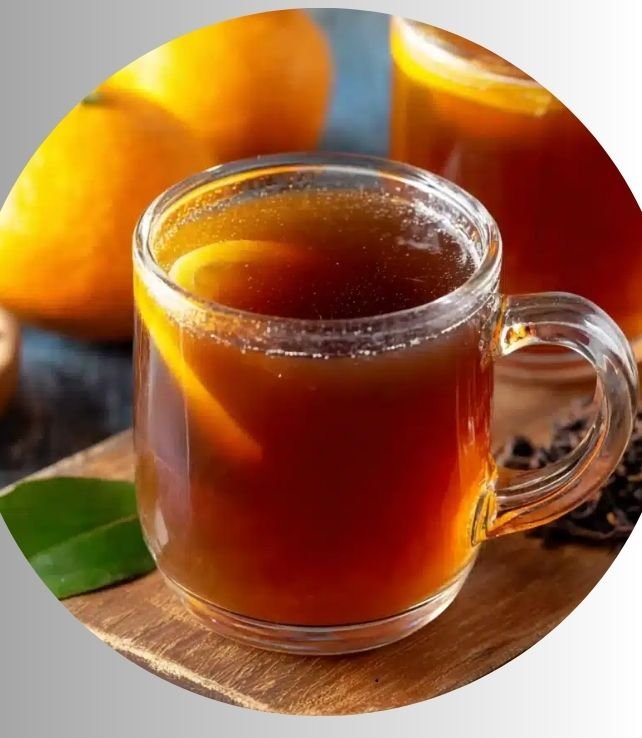
You might be looking at the title and thinking, “Tea? In Costa Rica?” I had the same question when I first visited. The answer is a delightful surprise that has become a staple in my own kitchen. This is not a tea in the traditional sense, but a warm, comforting beverage deeply rooted in Costa Rican home kitchens, often enjoyed as a simple breakfast or a soothing evening drink.
I was introduced to it during a stay with a family in the Central Valley. The morning air was cool and misty, and the scent of something sweet and milky wafted from the kitchen. What was served was not coffee, but a creamy, aromatic cup that was both familiar and entirely new. It was explained to me as “agua dulce,” but its preparation and common name is simply “te” or “te de leche.”
At its core, the Costa Rican tea recipe is an exercise in minimalist elegance. It uses just three primary ingredients: whole milk, sugar, and a single aromatic component—typically a cinnamon stick or vanilla. The process is one of gentle infusion, creating a drink that is far greater than the sum of its parts. Below, I’ll guide you through the authentic method, and then we’ll explore every facet of this deceptively simple recipe.
How to Make Costa Rican Tea Recipe
This is the foundational method, the blueprint from which all variations spring. The key is patience and low heat to prevent the milk from scalding while fully extracting the flavor from your chosen spice.
Recipe Details
- Prep Time: 2 minutes
- Cook Time: 10-15 minutes
- Servings: 1
- Course: Beverage
- Cuisine: Costa Rican
- Diet: Vegetarian
Ingredients
- 1 ½ cups whole milk
- 1 (3-inch) cinnamon stick (preferably Ceylon cinnamon)
- 1-2 tablespoons white granulated sugar, to taste
- Small pinch of salt (optional, enhances flavor)
Instructions
- Pour the milk into a small saucepan. Add the cinnamon stick.
- Place the saucepan over medium-low heat. Warm the milk slowly, stirring occasionally with a wooden spoon, for 5-7 minutes. Do not let it boil. You should see small bubbles form around the edges and steam rising.
- Once the milk is hot and fragrant, add the sugar and the tiny pinch of salt if using. Stir continuously until the sugar is completely dissolved, about 1-2 minutes.
- Continue to heat on low for another 3-5 minutes to allow the cinnamon to fully infuse. The milk should be steaming hot but not simmering vigorously.
- Remove the saucepan from the heat. Using a spoon, remove the cinnamon stick.
- Pour the tea immediately into a mug. Serve hot.
Nutrition
- Calories: 250 kcal
- Protein: 8 g
- Fat: 8 g
- Carbohydrates: 35 g
- Sugar: 33 g
- Fiber: 0 g
- Sodium: 120 mg
- Cholesterol: 25 mg
*Nutritional values are estimates for the base recipe using whole milk and 1.5 tbsp sugar.
Cooking Method
The method is infusion, also known as steeping. Unlike brewing tea leaves with boiling water, here we use gentle, sustained heat to coax the essential oils and flavors from the cinnamon stick directly into the milk fat. This low-and-slow approach is non-negotiable; high heat will cause the milk proteins to denature too quickly, potentially creating a skin or a scorched flavor.
Tools Needed
- A small, heavy-bottomed saucepan (for even heat distribution)
- A wooden spoon or silicone spatula for stirring
- A heat-resistant mug
Deconstructing the Ingredients: A Dietician’s Deep Dive
Understanding each component allows you to master the recipe and tailor it to your nutritional goals. This isn’t just a list; it’s a guide to making informed choices.
The Milk: Choosing Your Base
The milk is the canvas. Its fat content carries flavor and creates the signature mouthfeel.
Whole Milk (Leche Entera)
This is the traditional choice. The milk fat (about 3.25%) delivers a rich, creamy texture that feels substantial. The fat molecules effectively bind with the flavor compounds from the cinnamon, creating a more robust and integrated taste. From a nutritional standpoint, it provides a good source of calcium, vitamin D, and satiating fat.
Alternative Milks
For dietary needs, other milks work but behave differently. Oat milk is excellent due to its natural creaminess and slight sweetness. Full-fat coconut milk will add a distinct tropical note. Almond milk is lighter but can separate or taste watery if not barista-style. Soy milk offers high protein. Always choose unsweetened versions to control your sugar input.
The Aromatic Core: Beyond Cinnamon
While cinnamon is classic, the “tea” is defined by its single, dominant aromatic.
Cinnamon Stick (Canela)
Not all cinnamon is equal. The common Cassia cinnamon has a stronger, sharper, slightly spicy note. True Ceylon cinnamon, often preferred in Latin America, is milder, sweeter, and more complex with citrusy notes. Using a whole stick versus ground powder is crucial—ground cinnamon can become gritty and difficult to incorporate smoothly.
Vanilla Bean
A stunning alternative. Split a 2-inch piece of vanilla bean pod lengthwise and scrape the seeds into the milk, adding the pod as well. The flavor is floral, sweet, and deeply aromatic. This variation is sometimes called “te de vainilla.”
Other Infusion Ideas
A single star anise pod lends a licorice note. A few strips of orange or lemon zest (peeled with no white pith) adds bright citrus oils. A single clove is powerful, so use sparingly.
The Sweetener: Balancing the Cup
Sugar does more than sweeten; it rounds out flavors and affects body.
White Granulated Sugar (Azúcar Blanco)
The standard. It dissolves cleanly in the warm milk without adding its own flavor profile, allowing the cinnamon or vanilla to shine.
Panela or Tapa de Dulce
This is unrefined whole cane sugar, a cornerstone of Costa Rican “agua dulce.” It comes in solid blocks or granules. It imparts a deep, molasses-like, almost smoky sweetness and a light caramel color. It is less processed and retains some minerals like iron and calcium.
Liquid and Alternative Sweeteners
Honey or maple syrup can be used, but add them off the heat after infusing to preserve their delicate flavors and enzymes. For a zero-calorie option, liquid stevia or monk fruit extract are effective, but start with a few drops.
The Nutritional Perspective
As a dietician, I view this beverage as a functional item rather than just a treat. Its nutritional impact is directly tied to your ingredient selections.
Macronutrient Profile and Satiety
The base recipe with whole milk provides a balance of protein (~8g), fat (~8g), and carbohydrates from lactose and added sugar. This combination can promote a feeling of fullness. The protein and fat slow the absorption of the sugars, helping to prevent a rapid spike and crash in blood glucose levels compared to drinking a purely sugary beverage.
Adapting for Specific Dietary Goals
You have full control here. For a lower-calorie version, use unsweetened almond milk and a zero-calorie sweetener. To increase protein, use soy milk or add a scoop of unflavored collagen peptides or whey protein isolate after removing from heat (stir vigorously to avoid clumping). For a ketogenic approach, use a high-fat base like coconut milk and a keto-friendly sweetener.
Potential Health Benefits of Key Components
Cinnamon, particularly Ceylon cinnamon, is studied for its antioxidant and anti-inflammatory properties, and it may help improve insulin sensitivity. The warm milk itself contains tryptophan, an amino acid precursor to serotonin and melatonin, which may contribute to a sense of relaxation, making this a good pre-bedtime drink for some.
Cultural Roots and History
This drink’s story is woven into the fabric of rural and family life in Costa Rica. It is a testament to resourcefulness and comfort.
Its closest relative is “agua dulce,” a drink made by dissolving a piece of solid panela in hot water. In many homes, especially when milk was available from the family cow, this evolved into “te de leche.” It was a way to make a small amount of milk go further, to warm up cool mornings in the highlands, and to provide a gentle, caffeine-free option for children or in the evenings. It is not a ceremonial drink, but a daily, humble ritual. The use of a single, accessible spice—cinnamon from the market or vanilla if available—turned simple warmed milk into something special.
It is rarely found in cafes; its home is the kitchen. This is why you won’t find a single “official” recipe, but rather a shared technique passed down through families, which is the hallmark of true traditional food.
Common Mistakes and How to Avoid Them
Perfecting this simple drink means sidestepping a few easy pitfalls.
Scalded or Boiled Milk
This is the most frequent error. Milk proteins coagulate rapidly around 180°F (82°C). Boiling causes a skin to form, a scorched taste at the bottom of the pan, and can make the milk taste “off.” Solution: Use medium-low heat and never leave it unattended. Look for steam and small bubbles at the perimeter.
Using Ground Spice Instead of Whole
Adding ground cinnamon will result in a gritty, muddy-textured drink that is difficult to strain completely. It can also become bitter with prolonged heating. Solution: Always use a whole cinnamon stick or a vanilla bean pod. The infusion is cleaner and easier to control.
Insufficient Infusion Time
Taking the milk off the heat too soon means a pale, weak flavor. Solution: Give it a full 10-15 minutes on the heat. Taste it; the milk should have a pronounced, deep aroma and flavor. The cinnamon stick should look slightly plumped.
Not Stirring While Dissolving Sugar
Sugar can sink and settle at the bottom of the pan or mug. Solution: Stir continuously from the moment you add the sugar until you are certain it has fully dissolved into the liquid.
Serving, Pairing, and Storage Instructions
How you present and enjoy this tea completes the experience.
Traditional Serving Style
Serve it immediately in a simple ceramic mug while it is very hot. In Costa Rica, it might accompany a piece of soft, fresh cheese (“queso turrialba”) or a slice of bread for breakfast. For an afternoon break, it stands alone as a small, sweet respite.
Modern Variations and Pairings
For a cooler treat, allow the tea to cool to room temperature, then pour over ice. It pairs beautifully with a simple butter cookie, a slice of pound cake, or fresh fruit like mango or banana. Consider a light sprinkle of ground cinnamon or nutmeg on top for garnish.
Storage and Reheating
This drink is best made fresh. If you must store it, let it cool completely, then refrigerate in a sealed container for up to 2 days. A skin will likely form; you can stir it back in. Reheat gently in a saucepan over low heat, stirring constantly. Do not reheat in a microwave, as it can heat unevenly and scorch.
The Science of Infusion
What’s happening in that saucepan is a basic principle of chemistry. Flavor molecules in cinnamon, like cinnamaldehyde, are not very water-soluble. However, they are fat-soluble. The fat in the milk acts as a solvent, pulling these flavor compounds out of the cinnamon stick.
Heat accelerates this process by increasing the kinetic energy of the molecules, making them move and diffuse faster. The slow heating also allows the milk proteins to gently unfold without aggregating violently (which causes scalding), resulting in a smooth, integrated beverage where the spice flavor is embedded within the milk itself, not just floating on top.
Dietary Adaptations and Customizations
This recipe is a perfect template for nearly any dietary need.
Vegan and Dairy-Free Version
Use a creamy, unsweetened plant milk. Oat, soy, or coconut (from a carton, not a can for a lighter result) are best. Use a vegan sweetener like organic sugar, maple syrup, or panela. The method remains identical.
Low-Sugar and Diabetic-Friendly Version
Select an unsweetened milk base. Omit granulated sugar. Sweeten to taste with a non-nutritive sweetener like stevia or erythritol after the infusion is complete. The cinnamon itself can provide a perception of sweetness.
High-Protein Version
Use soy milk as your base. After infusing and removing from heat, whisk in one scoop of unflavored or vanilla protein powder until fully dissolved. This creates a more substantial, post-workout type drink.
Frequently Asked Questions
Can I make a large batch of Costa Rican tea ahead of time?
Yes, but with caution. You can double or triple the recipe in a larger pot. After infusing, cool it quickly by placing the pot in an ice bath, then store it covered in the refrigerator for up to 2 days. Reheat portions gently on the stove. The flavor may mute slightly, and a skin will form.
Why did my milk form a skin on top?
The skin is coagulated milk proteins and fat. It forms when the milk is heated too quickly, when it sits uncovered, or when it cools. It is safe to eat. To minimize it, stir frequently during heating and serve immediately. You can also whisk the tea briskly before serving to reincorporate it.
What is the difference between this and just adding cinnamon to warm milk?
The process is the difference. Simply adding cinnamon powder to already warm milk is a mixing, not an infusion. The flavor will be superficial and can be gritty. The traditional infusion method creates a deeper, more unified flavor where the spice essence permeates the entire liquid.
Can I use other spices besides cinnamon or vanilla?
Absolutely. The principle is one dominant spice per batch. A single star anise pod, a few cardamom pods lightly crushed, or a couple of slices of fresh ginger are excellent choices. Avoid strong blends like pumpkin pie spice, as the flavors can compete and become muddy.
Is this drink suitable for children?
Yes, it is a very common children’s drink in Costa Rica due to its lack of caffeine. You can control the sugar level to your preference. Ensure it has cooled to a safe sipping temperature before serving.
My tea tastes bland. What went wrong?
Two likely causes: insufficient infusion time (the milk wasn’t heated long enough with the spice) or using a stale cinnamon stick. Cinnamon sticks lose their potency over time. Try a longer, slower infusion with a fresh, high-quality Ceylon cinnamon stick.
Can I make this in a microwave?
I do not recommend it. Microwaves heat unevenly, creating hot spots that can instantly scald the milk, while other areas remain cold. It also does not provide the consistent, gentle heat needed for proper infusion. The stovetop method is essential for quality.
What does the optional pinch of salt do?
Salt is a flavor enhancer. Even in sweet dishes, a tiny amount of salt reduces bitterness and amplifies the perception of sweetness and other flavors, making the cinnamon or vanilla taste more pronounced without making the drink taste salty.
