
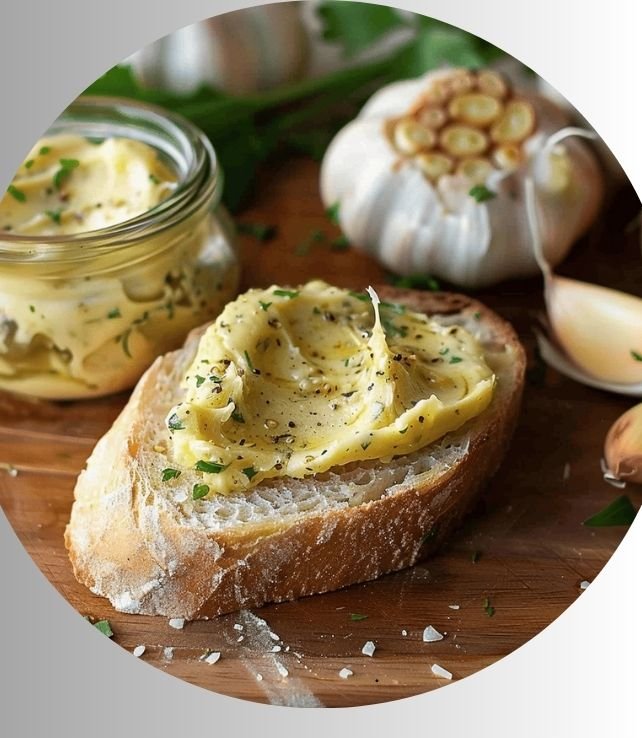
There is a quiet transformation that happens in an oven, one that turns a sharp, pungent bulb into something sweet, soft, and deeply fragrant. I recall my grandmother’s kitchen on a Sunday afternoon, the air thick with the scent of roasting meat and, underneath it all, that unmistakable caramelized aroma of garlic. She would squeeze the softened cloves into a bowl of softened butter, mash them together with a fork, and spread it on thick slices of crusty bread. That simple compound butter was the soul of the meal.
Today, as a dietician and culinary enthusiast, I appreciate that memory through a dual lens: one of nostalgia and another of practical nutrition. Roasted garlic butter is not just a flavor enhancer; it is a lesson in kitchen alchemy. This article will guide you through making it perfectly, but also through understanding its components, its nutritional profile, and its remarkable versatility. You will learn how to select the right ingredients, avoid common errors, and adapt the recipe to various dietary needs.
The recipe itself is straightforward, requiring only three core ingredients. The magic lies in the technique and the knowledge of how each element contributes to the final product. Let’s begin by looking at what you need and how to combine it.
How to Make Roasted Garlic Butter Recipe
This foundational method creates a versatile, flavorful compound butter. The process involves two main stages: roasting the garlic to mellow its flavor, and blending it with high-quality butter and salt.
Recipe Details
- Prep Time: 10 minutes
- Cook Time: 45 minutes
- Servings: Makes about 1 cup
- Course: Condiment
- Cuisine: French-inspired
- Diet: Vegetarian
Ingredients
- 2 whole heads of garlic
- 1 teaspoon olive oil
- 1 cup (2 sticks) unsalted butter, at room temperature
- 3/4 teaspoon fine sea salt
- Optional: 1 tablespoon finely chopped fresh parsley or chives
Instructions
- Preheat your oven to 400°F (200°C).
- Prepare the garlic by slicing about 1/4 inch off the top of each head to expose the cloves. Place each head on a piece of aluminum foil.
- Drizzle the exposed cloves with olive oil, ensuring it seeps down between them. Wrap the foil tightly around each head to create a sealed packet.
- Place the foil packets directly on the oven rack or on a small baking sheet. Roast for 40-45 minutes, until the cloves are deeply golden brown and very soft when pierced with a knife.
- Remove the packets from the oven and let them cool until they are safe to handle, about 15-20 minutes.
- Once cool, squeeze the roasted garlic cloves out of their papery skins into a medium bowl. They should pop out easily.
- Add the softened butter and salt to the bowl with the roasted garlic. Using a fork, mash and stir until the garlic is fully incorporated and the mixture is relatively smooth. For a completely smooth texture, you can use a food processor.
- If using fresh herbs, fold them in at this stage.
- Transfer the mixture to a sheet of parchment or wax paper. Shape it into a log, wrap it tightly, and twist the ends. Refrigerate for at least 2 hours to firm up, or use immediately as a soft spread.
Nutrition
- Calories: 102 kcal
- Protein: 0.3 g
- Fat: 11 g
- Carbohydrates: 1 g
- Sugar: 0.1 g
- Fiber: 0.1 g
- Sodium: 110 mg
- Cholesterol: 30 mg
Nutrition information is per tablespoon and is an estimate based on the listed ingredients.
Cooking Method
The primary cooking method for this recipe is roasting, a dry-heat technique that uses hot air to cook food evenly. For the garlic, this process breaks down the complex carbohydrates, like fructans, and converts harsh, sulfuric compounds into milder, sweeter ones through the Maillard reaction and caramelization. The butter is not cooked but blended, a method of combining ingredients at room temperature to create an emulsion where the roasted garlic pulp is evenly suspended in the fat.
Tools Needed
- Aluminum foil
- Sharp knife
- Small baking sheet (optional)
- Medium mixing bowl
- Fork or small food processor
- Parchment or wax paper
Ingredient Analysis and Selection
Understanding your ingredients is the first step toward mastery. Each component in this recipe plays a specific role, and the quality of your final product depends heavily on your choices here.
Garlic: The Heart of the Recipe
Garlic (Allium sativum) is a member of the lily family. The compound allicin, formed when raw garlic is crushed, is responsible for its sharp bite and many of its studied health properties. Roasting fundamentally changes this profile.
When selecting garlic, look for firm, plump heads with tight, unbroken papery skin. Avoid heads that feel light for their size or have begun to sprout green shoots from the top, as this can indicate age and impart a bitter flavor. The two most common types are softneck (often found in supermarkets, with a longer shelf life) and hardneck (with a central stalk, known for more complex flavor). Either works well for roasting.
The roasting process at 400°F causes the natural sugars within the garlic, such as fructose, to caramelize. Simultaneously, the heat deactivates the alliinase enzyme, preventing new allicin formation and eliminating the raw, pungent taste. The result is a paste with a nutty, sweet, almost buttery flavor and a creamy texture.
Butter: The Flavor Carrier
Butter is an emulsion of butterfat, water, and milk solids. Its role here is to carry and mellow the flavor of the roasted garlic while adding its own rich, creamy notes. Using unsalted butter is non-negotiable for this recipe. It allows you to control the sodium level precisely and prevents the final product from becoming overly salty.
The fat content, typically around 80%, is crucial for texture and mouthfeel. European-style butters, with a higher butterfat content (82-86%), will yield a richer, more unctuous result. The butter must be at room temperature (around 68-70°F) to blend smoothly with the garlic without separating or becoming greasy. If the butter is too cold, it will not incorporate; if melted, it will not solidify properly into a spreadable log.
Salt and Fat: The Flavor Enhancers
Fine sea salt is my preference for its clean, mineral flavor and its ability to dissolve evenly. Salt does more than just make food taste salty; it amplifies other flavors. In this compound butter, it heightens the sweetness of the roasted garlic and balances the richness of the fat.
The olive oil used for roasting is a minor but important ingredient. A drizzle of a good, fruity extra virgin olive oil helps conduct heat, prevents the garlic from drying out, and adds a subtle background note. The fat in the oil also aids in the caramelization process.
Nutritional Breakdown and Health Perspective
As a dietician, I am often asked about the health implications of using butter and fats. This recipe provides an excellent opportunity to discuss fats, alliums, and the concept of nutrient density within a condiment.
Garlic, in its roasted form, retains several beneficial compounds. While the allicin content is reduced, it still contains minerals like manganese and vitamin B6, as well as antioxidants. The roasting process may increase the bioavailability of some antioxidants. More importantly, the transformation of its fructans (a type of FODMAP) through roasting can make it easier to digest for some individuals who experience discomfort from raw garlic.
Butter is a source of saturated fat and cholesterol, which is why portion awareness is key. One tablespoon of this roasted garlic butter, as shown in the nutrition facts, provides a concentrated source of energy and fat-soluble vitamins like Vitamin A and Vitamin E. The focus here is on using a small amount to deliver a significant flavor impact, which can enhance the enjoyment of nutrient-dense foods like steamed vegetables, whole grain bread, or lean proteins.
From a dietary standpoint, this condiment encourages the consumption of vegetables and whole grains by making them more palatable. A small pat on a piece of whole-wheat toast or melted over broccoli can increase meal satisfaction without requiring large quantities of added fat or sodium from processed sources.
Dietary Adaptations and Variations
The basic formula of a fat infused with roasted garlic is highly adaptable. Here are practical modifications for different dietary needs and flavor preferences.
For a Vegan or Dairy-Free Version
Replace the dairy butter with a high-quality, unsalted vegan butter stick. Look for brands made with a blend of oils like coconut, olive, and sunflower, which have a firmer texture at cool temperatures similar to dairy butter. Alternatively, refined coconut oil (which has a neutral flavor) can be used, though it will solidify very firmly when chilled and melt quickly at room temperature.
For a Lower-Sodium Version
Simply reduce or omit the added salt. The roasted garlic provides substantial flavor on its own. You can also experiment with a potassium-based salt substitute, but start with a very small amount as the flavor profile can differ.
Flavor Variations and Add-Ins
The roasted garlic base pairs well with numerous herbs and other ingredients. Fold in any of the following after mashing the base recipe:
- Herbs: Fresh thyme, rosemary, tarragon, or sage.
- Citrus: The zest of one lemon or orange.
- Spice: A teaspoon of smoked paprika, cracked black pepper, or a pinch of cayenne.
- Cheese: Two tablespoons of finely grated Parmesan or Pecorino Romano (note: this changes storage life).
Cultural and Historical Context of Compound Butter
While the exact origin of roasted garlic butter is not documented, it sits within the long tradition of compound butters, known in French cuisine as beurre composé. French chefs have used flavored butters for centuries to finish sauces, top steaks, and enhance canapés.
Garlic itself has a history spanning over 5,000 years, cultivated from Central Asia to the Mediterranean. Its preservation in fat—whether in butter, oil, or lard—is a traditional method rooted in practicality, extending its usability. The act of roasting garlic over fire is ancient, but its popularization in modern Western home cooking grew alongside the rise of food television and rustic Mediterranean cuisine in the late 20th century.
This recipe represents a fusion of that ancient ingredient with a classic French technique, resulting in a condiment that feels both rustic and refined.
Common Mistakes and Expert Tips for Perfection
After making this recipe countless times and teaching it to clients, I have identified the key pitfalls and how to avoid them.
Mistake 1: Under-Roasting or Over-Roasting the Garlic
Under-roasted garlic will not have developed its full sweetness and may retain a slight sharpness. The cloves should be a deep golden brown and mash effortlessly. Over-roasted garlic can become bitter and acrid. If the cloves are blackened, they are burnt and should be discarded.
Tip: Oven temperatures can vary. Start checking at 35 minutes. The garlic is done when a paring knife slides into the center of a clove with no resistance.
Mistake 2: Using Butter That is Too Cold or Melted
Butter straight from the refrigerator will not blend, leaving chunks. Melted butter will create a greasy, separated mixture that will not solidify into a proper log.
Tip: To quickly soften butter, cut it into tablespoon-sized pieces and let it sit on the counter for 20-30 minutes. It should yield to gentle pressure but not look shiny or oily.
Mistake 3: Not Letting the Garlic Cool
Adding hot roasted garlic to the butter will melt the butter, leading to the separation issue mentioned above.
Tip: Allow the roasted garlic packets to cool on the counter until the foil is cool to the touch. You can speed this up by unwrapping the heads and spreading the cloves on a plate for 10 minutes.
Mistake 4: Improper Storage
Storing the log loosely wrapped can lead to freezer burn or the butter absorbing odors from the refrigerator.
Tip: After forming the log in parchment paper, place it inside a sealed freezer bag or an airtight container. This double layer protects the quality.
Serving, Pairing, and Storage Guidance
The true value of this recipe is revealed in its application. Here is how to use, store, and enjoy your roasted garlic butter to its fullest.
How to Serve and Pair
This butter is incredibly versatile. Use it as you would any butter or flavorful fat.
- Bread and Rolls: The classic use. Spread on warm, crusty bread, dinner rolls, or cornbread.
- Vegetables: Melt a tablespoon over steamed green beans, asparagus, broccoli, or roasted potatoes.
- Proteins: Place a cold slice on top of a hot steak, grilled chicken breast, or seared fish fillet just before serving.
- Pasta: Toss with cooked pasta, a splash of pasta water, and Parmesan for a quick sauce.
- Mashed Potatoes: Swirl into mashed potatoes instead of plain butter and milk.
Storage Instructions
Proper storage is essential for food safety and quality maintenance.
- Refrigeration: The butter log will keep in the refrigerator for up to 2 weeks when well-wrapped. The high salt and fat content, along with the cooked garlic, inhibit microbial growth.
- Freezing: For long-term storage, freeze the log. It will maintain best quality for 3-4 months. You can also slice it into individual tablespoon portions before freezing for easy use. Thaw overnight in the refrigerator or use directly from frozen in cooking applications (like melting over vegetables).
Important Note: Due to the low risk of botulism associated with garlic in oil, it is not recommended to leave this compound butter at room temperature for extended periods. Always return it to the refrigerator after use.
The Science Behind the Transformation
The change garlic undergoes in the oven is a clear example of food chemistry in action. Two primary reactions occur: caramelization and the Maillard reaction.
Caramelization is the pyrolysis of sugars. As the garlic heats, its natural sugars break down, producing new compounds that create a sweet, nutty flavor and the characteristic brown color. The Maillard reaction is a chemical reaction between amino acids and reducing sugars. It generates hundreds of different flavor compounds, contributing to the complex, savory, roasted taste that is distinct from pure sweetness.
Additionally, the heat breaks down the cell walls of the garlic, primarily composed of the carbohydrate pectin. This is why the texture changes from crisp and firm to soft and spreadable. The combination of these chemical and physical changes is what creates the uniquely mellow and versatile ingredient at the heart of this recipe.
Frequently Asked Questions
Can I use pre-minced jarred garlic for this recipe?
I do not recommend it. Jarred minced garlic is typically packed in water or acid and has a very different, often harsher, flavor profile. It will not caramelize or soften in the same way, and you will miss the deep, sweet complexity that comes from roasting whole cloves. The texture in the final butter will also be grainy rather than creamy.
How long does it take for the butter log to harden in the refrigerator?
It should be firm enough to slice cleanly within 2 hours. For best results, let it chill overnight. If you need to speed up the process, you can place the wrapped log in the freezer for 30-45 minutes.
My butter seems to have separated and is oily. What went wrong?
This happens when the roasted garlic was too warm when added to the butter, or the butter itself became too soft or began to melt. The emulsion broke. You can try to re-whip it in a cool bowl, but the texture may not be perfect. It is still safe to use, especially for cooking applications like sautéing.
Can I roast the garlic in an air fryer?
Yes. Prepare the garlic heads the same way (trimmed and oiled), wrap them in foil, and air fry at 375°F for 25-30 minutes. Check for doneness as oven times can vary; the cloves should be soft and golden brown.
Is roasted garlic butter freezer-friendly?
Absolutely. It freezes very well. Wrap the parchment-wrapped log tightly in a layer of plastic wrap or aluminum foil, then place it in a freezer bag. Slice off portions as needed without thawing the whole log.
What are the white spots that sometimes appear on stored compound butter?
Those spots are likely moisture that
