
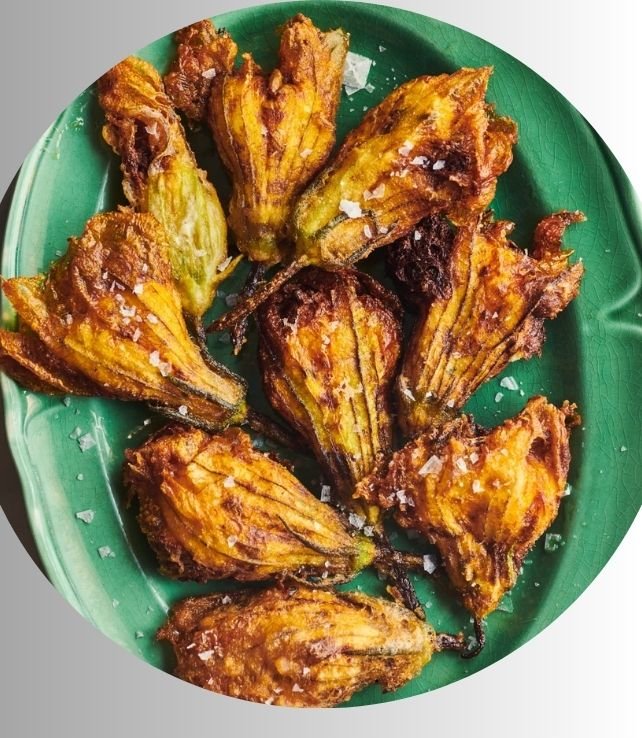
You might have a garden full of vibrant orange pumpkins developing, but the true early-season treasure is often overlooked. For years, I watched the delicate yellow blossoms on my pumpkin vines open in the morning sun and close by afternoon, never considering they were anything but beautiful. That changed during a visit to a friend’s grandmother, who handed me a basket and sent me into the garden to collect what she called “the farmer’s first harvest.”
That afternoon, we transformed those ephemeral blooms into a meal that was both delicate and robust. It was a lesson in resourcefulness and flavor I’ve carried with me ever since. This recipe is for anyone who sees more in their garden than the obvious, for those who want to utilize every edible part of a plant. Below, you will find my detailed guide to preparing pumpkin flowers, a dish that is as nutritious as it is steeped in culinary tradition.
Understanding Your Main Ingredient: The Pumpkin Flower
Before we begin cooking, it is important to know what you are working with. Pumpkin flowers, like those from other squash and zucchini plants, are entirely edible. They are typically divided into two types: male and female. The male flowers grow on a long, thin stem and are produced in greater numbers to pollinate the female flowers, which have a small, immature fruit (the future pumpkin) at the base.
For culinary purposes, we primarily use the male flowers. This allows the female flowers to develop into fruit, ensuring your harvest continues. The flavor is subtly vegetal, slightly sweet, and often compared to a mix of young zucchini and lettuce, with a tender, delicate texture that requires a gentle hand.
Male vs. Female Flowers: A Practical Guide
Identifying the flowers is simple. Male flowers appear first on the plant, standing tall on a slender, straight stalk with no swelling at the base. Inside, you will see a single stamen coated in pollen. Female flowers appear later, closer to the main vine. The most telling sign is the small, bulbous ovary at the flower’s base, which looks like a tiny pumpkin.
When harvesting, use a sharp knife or scissors to cut the male flower stem, leaving about an inch attached. I recommend harvesting in the morning when the blooms are fully open and fresh. Always leave several male flowers on the plant to ensure proper pollination of the females.
Selection and Preparation for Cooking
Choose flowers that are vibrant in color, firm to the touch, and fully open. Avoid any that are wilted, have brown spots, or are closing. Gently shake each flower to evict any resident insects. The preparation is straightforward but crucial.
First, carefully reach inside the bloom and pinch off the stamen (in males) or the pistil (in females). These internal parts can be bitter. Next, peel back the green sepals (the small leaves at the flower’s base) and remove them along with the stem. The entire flower is now ready to be stuffed, battered, or chopped. Handle them gently to avoid tearing the fragile petals.
How to Make Pumpkin Flower Recipe
This recipe focuses on a classic, simple preparation: stuffed and lightly fried. The method highlights the flower’s delicate nature while adding a satisfying texture. The filling is a creamy, herb-infused cheese mixture, but I will provide numerous adaptations later.
Recipe Details
- Prep Time: 25 minutes
- Cook Time: 15 minutes
- Servings: 4 (2-3 flowers per person)
- Course: Appetizer, Side Dish
- Cuisine: Italian, Mediterranean
- Diet: Vegetarian
Ingredients
- 8-12 fresh, large male pumpkin flowers, cleaned
- 1 cup ricotta cheese (whole milk for best texture)
- 1/2 cup grated Pecorino Romano or Parmesan cheese
- 1 large egg yolk
- 1 tablespoon fresh chopped chives
- 1 tablespoon fresh chopped mint
- 1 teaspoon lemon zest
- 1/4 teaspoon freshly grated nutmeg
- Sea salt and black pepper to taste
- 1 cup all-purpose flour
- 1 cup cold sparkling water or light beer
- 1 large egg white, lightly beaten
- Sunflower or peanut oil for frying
- Flaky sea salt for finishing
Instructions
- In a medium bowl, combine the ricotta, grated cheese, egg yolk, chives, mint, lemon zest, and nutmeg. Mix until smooth and uniform. Season with a pinch of salt and pepper.
- Carefully spoon or pipe the cheese mixture into the cavity of each prepared pumpkin flower. Fill them about two-thirds full to prevent bursting during cooking. Gently twist the petals at the top to loosely enclose the filling.
- In a separate bowl, whisk together the flour and a pinch of salt. Gradually whisk in the cold sparkling water or beer until you have a smooth, lump-free batter with the consistency of heavy cream. Let it rest for 10 minutes.
- Just before frying, fold the lightly beaten egg white into the batter. This will help create an airy, crisp coating.
- Pour oil into a heavy-bottomed pot or deep skillet to a depth of about 2 inches. Heat over medium-high heat until it reaches 350°F (175°C). Use a kitchen thermometer for accuracy.
- Holding a stuffed flower by its twisted end, dip it into the batter, allowing any excess to drip off. Immediately lower it into the hot oil. Fry 2-3 flowers at a time to avoid crowding and a temperature drop.
- Fry for 2-3 minutes, turning once, until the batter is golden brown and crisp. Remove with a slotted spoon and drain on a wire rack set over a paper towel. This keeps them crisp. Sprinkle immediately with a little flaky sea salt.
- Serve the flowers warm, allowing the crisp exterior to contrast with the soft, molten filling.
Nutrition
- Calories: 280 kcal
- Protein: 12 g
- Fat: 15 g
- Carbohydrates: 24 g
- Sugar: 2 g
- Fiber: 1 g
- Sodium: 320 mg
- Cholesterol: 75 mg
Values are approximate and per serving, based on 3 flowers per person. Frying oil absorption is estimated at 1 tablespoon per serving.
Cooking Method
The primary method used here is deep-frying, which provides a quick, high-heat cook that instantly sets the batter and seals in the moisture of the flower and filling. The high heat causes the water in the batter to vaporize rapidly, creating a crisp, porous structure. For the filling, the egg yolk and cheeses coagulate gently inside the protective flower, creating a creamy texture without leaking.
Tools Needed
- Sharp kitchen scissors or knife
- Mixing bowls
- Whisk
- Heavy-bottomed pot or deep skillet
- Deep-fry or candy thermometer
- Slotted spoon
- Wire cooling rack
- Paper towels
Ingredient Analysis and Selection
Each component in this recipe plays a specific role in texture, flavor, and structure. Understanding these roles allows for intelligent substitutions and better results.
The Flour in the Batter
All-purpose flour provides the ideal protein (gluten) content for this batter—enough to create structure and hold the coating to the flower, but not so much that it becomes tough. The gluten forms a network that traps the carbon dioxide bubbles from the sparkling water and the steam from frying, resulting in a light, airy crust. For a gluten-free version, a blend like rice flour and tapioca starch can mimic this structure.
Choosing Fats and Oils
The oil for frying must have a high smoke point to remain stable at 350°F. Sunflower, peanut, and refined avocado oils are excellent choices. Their neutral flavor won’t interfere with the delicate taste of the flower. The fat in the ricotta and Pecorino cheese contributes to the rich mouthfeel of the filling, while also helping proteins coagulate into a soft solid during cooking.
Herbs and Aromatics
Fresh herbs are non-negotiable here. Their volatile oils, which provide aroma and flavor, are at their peak. Chives offer a mild onion note, mint provides a bright, cooling contrast to the fried element, and lemon zest adds acidity without liquid, which could thin the filling. Dried herbs will not deliver the same fresh, vibrant quality.
Nutritional Breakdown and Health Perspective
As a dietician, I find this dish to be a fascinating study in balance. While frying adds fat, the primary ingredient is a low-calorie vegetable flower packed with micronutrients.
Pumpkin blossoms are a source of vitamins A and C, and they provide some iron and calcium. The ricotta cheese offers a significant amount of protein and calcium, with a lower fat content than many other cheeses. Using a wire rack to drain minimizes excess oil retention.
This dish, when consumed as part of a varied diet, contributes protein, calcium, and beneficial plant compounds. The frying process does add concentrated calories, so portion awareness is key. The nutritional profile shifts significantly with preparation method—a baked or sautéed version, which I will detail later, offers a different balance.
Dietary Adaptations and Variations
The basic framework of this recipe is highly adaptable to meet different dietary needs and flavor preferences.
Vegan Adaptation
Replace the ricotta with a firm, drained tofu blended with 2 tablespoons of nutritional yeast, a tablespoon of lemon juice, and salt. Use a vegan hard cheese alternative for the grated component. For the batter, use sparkling water and omit the egg white; a pinch of baking powder can help with lift.
Gluten-Free Adaptation
Substitute the all-purpose flour with a 70/30 blend of rice flour and tapioca starch. The batter may be slightly less elastic, so handle the flowers with extra care when dipping.
Lower-Fat Preparation
For a non-fried version, you can bake the stuffed flowers. Preheat an oven to 400°F (200°C). Place the batter-dipped flowers on a parchment-lined baking sheet lightly brushed with oil. Spray the flowers lightly with oil and bake for 15-20 minutes, turning once, until golden. The texture will be softer than fried but still enjoyable.
Global and Regional Variations
In Mexican cuisine, the flowers (*flor de calabaza*) are often sautéed with onion, garlic, and epazote, then used as a filling for quesadillas or soups. In Italian cooking, they might be dipped in a simple egg and flour batter. In parts of Asia, the blossoms are frequently added to stir-fries or tempura. Feel free to experiment with fillings like spiced ground meat, quinoa with feta, or simply chopped and added to a frittata.
Cultural and Historical Context
The use of squash blossoms in cooking is ancient, spanning continents where cucurbits were cultivated. Evidence suggests indigenous peoples in the Americas consumed the flowers long before European contact. In Italy, the practice of frying stuffed vegetables and flowers, known as *fritto misto*, has roots in peasant cooking, where every part of the plant was utilized.
This recipe represents a beautiful point of convergence. It embodies the Italian principle of *cucina povera*—making the most of humble ingredients—while honoring an ingredient that has been valued in Mesoamerican cultures for millennia. Cooking with pumpkin flowers connects you to a long, global tradition of seasonal, nose-to-tail (or rather, vine-to-blossom) eating.
Common Mistakes and Expert Tips for Success
After making this recipe countless times and teaching it to others, I have identified key pitfalls and their solutions.
Mistake 1: A Soggy, Heavy Coating. This is usually due to batter that is too thick or oil that is not hot enough. A thin batter and precise temperature are critical. Let the batter rest to allow the flour to fully hydrate, which prevents a pasty texture.
Mistake 2: Burst Flowers in the Oil. Overfilling is the main culprit. Fill only two-thirds of the cavity. Also, ensure the oil is at the correct temperature; if it’s too cool, the batter won’t set quickly enough, increasing the chance of a rupture.
Mistake 3: Bitter Flavor. Failing to remove the internal reproductive parts (stamen/pistil) can impart a bitter taste. Take the extra 30 seconds per flower to clean them thoroughly.
Expert Tip: For an even crispier coating, you can dust the stuffed flower very lightly with flour before dipping it in the batter. This helps the batter adhere more uniformly.
Expert Tip: If you have extra filling, it makes an excellent spread for crusty bread or a filling for pasta shells.
Serving, Pairing, and Storage Guidance
These are best served immediately, straight from the fryer. The contrast between the hot, crisp exterior and the warm, soft interior is the hallmark of the dish.
For pairing, consider the richness. A simple, acidic side like a tomato and red onion salad with a sharp vinaigrette cuts through the fat beautifully. A crisp, dry white wine such as a Pinot Grigio or a Verdejo works well. For a non-alcoholic option, sparkling water with a squeeze of lemon is perfect.
Storage is not ideal, but if you have leftovers, place them in a single layer on a plate in the refrigerator for up to a day. Reheat in a toaster oven or conventional oven at 375°F (190°C) for 5-8 minutes to restore some crispness. A microwave will make them soggy.
You can prepare the filling and clean the flowers a few hours in advance, storing them separately in the refrigerator. Assemble and batter just before frying.
The Science of the Perfect Fry
The success of this recipe hinges on the Maillard reaction and frying dynamics. When the batter hits the hot oil, surface water rapidly vaporizes. The heat then causes the sugars and amino acids in the flour and flower to undergo the Maillard reaction, creating complex flavor compounds and the characteristic golden-brown color.
Simultaneously, the heat gelatinizes the starch in the flour, forming a rigid structure. The bubbles from the sparkling water and the steam from the flower itself expand within this setting structure, creating the airy, crisp texture we want. Maintaining oil temperature is crucial because if it drops too low, the food absorbs more oil before the crust can set, leading to greasiness.
Frequently Asked Questions
Can I eat pumpkin flowers raw?
Yes, pumpkin flowers are edible raw. They have a mild, slightly sweet flavor and a soft texture. They can be rinsed, cleaned, and added to salads for a colorful, delicate touch. However, the raw petals are very fragile.
Where can I buy pumpkin flowers if I don’t grow them?
You can often find them at farmers’ markets during the summer and early fall, as they are highly perishable. Some specialty grocery stores or Italian markets may carry them. They are typically sold in small baskets or plastic clamshells.
How long do fresh pumpkin flowers last after picking?
They are very perishable. Use them the same day you pick or purchase them for the best quality. If necessary, you can store them for up to 24 hours in the refrigerator. Place them in a single layer on a paper towel-lined tray and cover loosely with a damp cloth.
Can I use female flowers instead of male flowers?
You can, but it is generally discouraged if you want the pumpkin to develop. If you have an abundance and need to thin the fruits, you can harvest the female flower with the tiny attached fruit. The small fruit is also edible and can be cooked along with the flower.
What can I use instead of sparkling water in the batter?
Light beer is a traditional and excellent substitute, adding flavor and leavening. For a non-alcoholic option, plain cold water with a teaspoon of baking powder whisked in will work, though the crust may be slightly less light.
Is this recipe freezer-friendly?
I do not recommend freezing the prepared, fried flowers as the texture will become very soggy upon reheating. You can freeze the cleaned, raw flowers for later use. Lay them flat on a baking sheet to freeze individually, then transfer to a freezer bag. They will be softer when thawed, better suited for soups or frittatas than frying.
Are there any toxic look-alikes to be aware of?
Only harvest flowers from plants you can positively identify as edible squash, pumpkin, or zucchini. Do not forage flowers from ornamental gourds or random vines, as some may be treated with pesticides or be inedible varieties. When in doubt, do not eat.
