
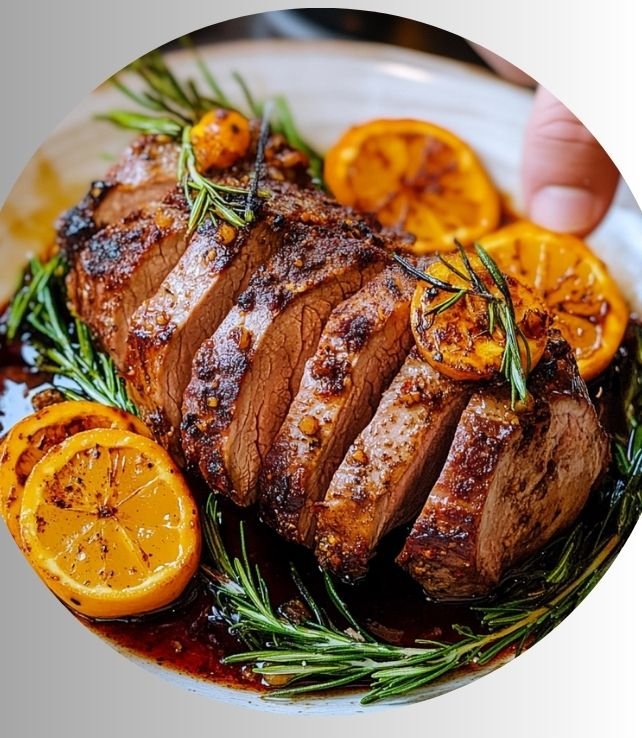
You have a beautiful piece of lamb tenderloin in your kitchen, and a quiet worry sits with it. This cut is too good, too expensive, and too easy to overcook for you to feel completely confident. I understand that hesitation. I felt it myself years ago, standing over a pan with a gift from a local farmer, my mind racing with all the ways I could ruin such a precious piece of meat.
That moment taught me that mastering lamb tenderloin is less about complex technique and more about understanding its nature. This guide provides the method I use, a simple sear-and-roast approach that yields a perfect, rosy center every time. We will also examine everything from its nutritional profile to its place on the global table, ensuring you cook with knowledge and serve with confidence.
Understanding the Lamb Tenderloin
Before you preheat your oven, it helps to know what you are working with. The lamb tenderloin is a small, incredibly tender muscle that runs along the spine, inside the loin. It is the lamb’s equivalent of filet mignon from beef or pork tenderloin. Its role is purely supportive, not weight-bearing, which is why the muscle fibers are so fine and the texture so delicate.
Because of its size and location, each lamb yields only two tenderloins, typically weighing between 4 to 8 ounces each. This scarcity contributes to its higher cost and special-occasion status. Its leanness is a double-edged sword; it promises tenderness but demands careful cooking to prevent it from becoming dry.
Lamb Tenderloin vs. Loin Chops
It is common to confuse the tenderloin with loin chops. Think of the loin as the entire strip of meat along the back. A loin chop is a cross-section of that strip, usually containing a T-shaped bone with meat on both sides—one side is the loin eye (the larger muscle), and the other, smaller side is the actual tenderloin. When you buy a whole tenderloin, you are getting that small, boneless muscle removed entirely on its own.
How to Make Lamb Tenderloin Recipe
This method uses high heat to create a flavorful crust and a gentle oven to finish cooking the interior evenly. The key is using a reliable instant-read thermometer; it is the only way to guarantee your desired level of doneness.
Recipe Details
- Prep Time: 15 minutes (plus optional resting time)
- Cook Time: 15-20 minutes
- Servings: 2-3
- Course: Main Course
- Cuisine: Global
- Diet: Gluten-Free, Low-Carb
Ingredients
- 1 whole lamb tenderloin (approx. 1 to 1.5 lbs)
- 1 1/2 tablespoons olive oil or high-heat avocado oil
- 3 cloves garlic, minced
- 1 tablespoon fresh rosemary, finely chopped
- 1 teaspoon fresh thyme leaves
- 1 teaspoon kosher salt
- 1/2 teaspoon freshly cracked black pepper
- 1/2 teaspoon ground cumin (optional, for depth)
- 2 tablespoons unsalted butter
Instructions
- Remove the tenderloin from refrigeration 30-45 minutes before cooking. Pat it completely dry with paper towels. This step is critical for a good sear.
- While the meat comes to temperature, prepare the seasoning. In a small bowl, combine the minced garlic, rosemary, thyme, salt, pepper, and cumin if using.
- Rub the tenderloin all over with the olive oil. Then, massage the herb and garlic mixture evenly onto the entire surface of the meat.
- Preheat your oven to 400°F (200°C). Place an oven-safe skillet (cast iron or stainless steel are ideal) over medium-high heat on the stovetop until it is very hot.
- Carefully place the tenderloin in the hot, dry skillet. Sear without moving it for 2-3 minutes, until a deep brown crust forms. Turn it with tongs and sear on all sides, including the ends, for a total of 6-8 minutes.
- Reduce the stovetop heat to medium. Add the butter to the skillet. As it melts, tilt the pan and use a spoon to baste the tenderloin continuously with the foaming butter for about 1 minute.
- Transfer the entire skillet to the preheated oven. Roast for 6-10 minutes, depending on thickness, until the internal temperature reaches 130-135°F (54-57°C) for medium-rare. This is the recommended doneness for optimal tenderness.
- Immediately remove the tenderloin from the skillet and place it on a clean cutting board. Tent it loosely with foil and let it rest for 10 full minutes. This allows the juices to redistribute.
- After resting, slice the tenderloin against the grain into 1/2-inch thick medallions. Serve with the pan juices spooned over the top.
Nutrition
- Calories: 280 kcal (per 4 oz serving)
- Protein: 28 g
- Fat: 18 g
- Carbohydrates: 1 g
- Sugar: 0 g
- Fiber: 0 g
- Sodium: 480 mg
- Cholesterol: 105 mg
Cooking Method
The primary method used here is pan-searing followed by oven-roasting. This combination, often called the “sear-roast” method, is ideal for thicker, lean cuts. The stovetop sear creates Maillard reaction products—those complex, flavorful compounds that form when proteins and sugars brown at high heat. The oven then provides gentle, ambient heat to cook the interior evenly without burning the exterior.
Tools Needed
- An oven-safe skillet (10-12 inch cast iron or stainless steel)
- Instant-read meat thermometer
- Tongs
- Cutting board
- Chef’s knife for slicing
Nutritional Perspective on Lamb Tenderloin
As a source of animal protein, lamb tenderloin offers a concentrated nutrient profile. A 4-ounce cooked portion provides a significant amount of high-quality, complete protein, containing all essential amino acids necessary for muscle repair and immune function.
The fat content, while present, is primarily monounsaturated and saturated. It is a source of conjugated linoleic acid (CLA), a fatty acid studied for its potential metabolic benefits. Lamb is also an excellent source of bioavailable heme iron, which is more easily absorbed by the body than non-heme iron from plants. This cut is rich in Vitamin B12, crucial for neurological health, and a good source of zinc, which supports immune response and wound healing.
For those monitoring specific dietary markers, the sodium content can be managed by adjusting the salt in the seasoning, and the leanness of the cut makes it compatible with low-carbohydrate and gluten-free eating patterns.
Selecting and Preparing Your Ingredients
The simplicity of this dish means each component’s quality is amplified.
Choosing the Lamb
Look for tenderloin with a bright, pinkish-red color and fine-grained texture. There should be a thin, creamy-white layer of external fat (called the “fell”), which is often removed by butchers. If present, it can be trimmed. The meat should feel firm, not soft or slimy. Grass-fed lamb will often have a deeper, more mineral-rich flavor, while grain-finished lamb tends to be milder and slightly fattier.
The Role of Herbs and Aromatics
Rosemary and garlic are classic partners for lamb for scientific and cultural reasons. Rosemary contains antioxidant compounds that can help mitigate the formation of potentially harmful compounds when meat is cooked at high temperatures. Its piney, robust flavor stands up to the meat’s richness. Garlic provides allium sweetness that caramelizes during searing. Thyme adds an earthy, subtle layer. The optional cumin is not traditional in all cuisines, but its warm, nutty note complements the inherent gaminess of the lamb, especially in Middle Eastern and North African preparations.
Fats for Cooking
Using a high-smoke point oil like avocado oil for the initial sear prevents burning and off-flavors. The addition of butter later introduces milk solids that brown, adding a nutty, rich dimension to the pan sauce during basting. For a dairy-free version, use ghee or simply omit the butter and baste with the herb-infused oil already in the pan.
Cultural and Historical Context
Lamb has been a cornerstone of pastoral diets for millennia, from the Mediterranean basin to the grasslands of Central Asia and the hills of New Zealand. The specific celebration of the tenderloin, however, is a relatively modern refinement, tied to butchery techniques that prize individual muscle groups.
In many traditional whole-animal feasts, the lamb would be roasted on a spit or in an underground oven. The tenderloin, being so small, would cook within the larger carcass. The act of isolating and preparing it separately speaks to contemporary culinary values that emphasize specific textures and controlled doneness. You will find similar treatments across cultures: as “filet d’agneau” in French cuisine, often with a mustard crust; in Greek cooking, marinated with lemon and oregano; or in Persian cuisine, paired with sumac and saffron.
Dietary Adaptations and Variations
The core recipe is naturally gluten-free and low in carbohydrates. Here are adaptations for other needs.
For a Dairy-Free Preparation
Omit the butter in the basting step. Instead, after searing, add a tablespoon more of olive oil to the pan along with a sprig of fresh rosemary and a smashed garlic clove. Baste with this infused oil.
Alternative Flavor Profiles
The basic sear-roast method is a canvas. For a North African twist, replace the rosemary and thyme with a rub of paprika, ground coriander, and a pinch of cinnamon. An Asian-inspired version could use a marinade of soy sauce (or tamari for gluten-free), ginger, and a touch of honey before searing. A simple Mediterranean approach is a paste of lemon zest, chopped olives, and anchovy fillets rubbed on before cooking.
Common Mistakes and How to Avoid Them
Skipping the Dry Step
Moisture on the surface of the meat creates steam, which prevents proper browning. Always pat the tenderloin thoroughly dry with paper towels before applying oil and seasoning.
Using a Cold Pan
Adding meat to a pan that is not sufficiently hot guarantees a gray, steamed exterior rather than a sear. Heat your skillet over medium-high heat for a few minutes until a drop of water sizzles and evaporates instantly.
Overcrowding the Pan
This is less likely with a single tenderloin, but ensure the meat is not curled up. It should have full contact with the hot surface. If necessary, cut it into two even pieces.
Skipping the Rest
Cutting into the meat immediately after it leaves the oven will cause the valuable juices to spill out onto the cutting board, leaving the interior dry. The 10-minute rest is non-negotiable for a juicy result.
Guessing Doneness
Visual cues are unreliable for a cylindrical cut like tenderloin. An instant-read thermometer is your most important tool. Remember that the temperature will rise 5-10 degrees during the rest (carryover cooking).
Serving, Pairing, and Storage Instructions
What to Serve With Lamb Tenderloin
The rich, savory quality of the meat pairs well with elements that offer contrast: something creamy, something acidic, and something earthy. Consider a celery root puree, roasted carrots with a honey and vinegar glaze, or a simple arugula salad with shaved fennel and a lemon vinaigrette. For starches, crispy roasted potatoes or a farro salad with herbs work beautifully.
Wine and Beverage Pairings
A medium-bodied red wine with moderate tannins and some herbal notes complements without overpowering. A Syrah from the Northern Rhône, a Cabernet Franc from the Loire Valley, or a Grenache-based blend are excellent choices. For a white option, a richer Chardonnay with good acidity can also work.
Storing and Reheating Leftovers
Allow any leftover slices to cool completely, then store them in an airtight container in the refrigerator for up to 3 days. To reheat, avoid the microwave, which will toughen the meat. Gently warm the slices in a covered skillet with a small amount of broth or water over very low heat, or bring them to room temperature and enjoy them cold on a salad.
The Science of Searing and Resting
The initial high-heat sear does not “seal in juices”—that is a common misconception. Its primary purpose is flavor development through the Maillard reaction, a complex chemical process between amino acids and reducing sugars that creates hundreds of new flavor and aroma compounds. The crust it forms provides appealing texture.
Resting, however, is directly related to juiciness. During cooking, heat causes the muscle proteins to contract, squeezing the internal moisture toward the center of the cut. If sliced immediately, this concentrated liquid, under pressure, flows out. Resting allows the proteins to relax slightly and reabsorb some of that moisture, ensuring it stays in the meat when you slice it.
Frequently Asked Questions
What internal temperature should lamb tenderloin be cooked to?
For optimal tenderness and flavor, remove lamb tenderloin from the oven when an instant-read thermometer inserted into the thickest part reads 130-135°F (54-57°C). After a 10-minute rest, the final temperature will be 135-140°F (57-60°C), which is medium-rare.
Can I cook lamb tenderloin entirely on the stovetop?
Yes, you can. After searing on all sides, reduce the heat to medium-low and continue cooking, turning occasionally, until the desired internal temperature is reached. This method requires more attention to prevent uneven cooking compared to the consistent heat of an oven.
How do I prevent the garlic and herbs from burning during searing?
This is a valid concern. By rubbing the minced garlic and herbs directly on the meat, some will inevitably brown in the pan. To minimize burning, ensure your pan is hot enough for a quick, efficient sear. You can also use whole garlic cloves and herb sprigs in the pan during the basting stage instead of minced, removing them before they blacken.
Is lamb tenderloin the same as lamb loin?
No. The loin is a larger, broader cut that includes the loin eye muscle and often the bone. Lamb tenderloin is a separate, smaller, and more tender muscle that sits underneath the loin, similar to the relationship between a beef strip steak and a filet mignon.
Do I need to marinate lamb tenderloin?
It is not necessary due to its inherent tenderness, but a brief marinade (1-4 hours) can add flavor. Use an acidic marinade (with wine, yogurt, or vinegar) sparingly and for a short time, as prolonged exposure can begin to break down the delicate proteins and create a mushy surface texture.
Why is my lamb tenderloin tough?
Toughness in this cut is almost always a result of overcooking. Because it is so lean, it has little intramuscular fat to keep it moist once pushed beyond medium doneness. Using a thermometer is the best defense against this.
Can I grill lamb tenderloin?
Absolutely. Grill over direct high heat to sear, then move to a cooler, indirect heat zone to finish cooking to temperature. Its irregular shape can make turning on a grill grate tricky, so consider using a grill basket for easier handling.
How should I slice cooked lamb tenderloin?
Always slice against the grain. Identify the direction of the long muscle fibers, then cut perpendicular to them. This shortens the muscle fibers, making each piece much more tender to chew.
