
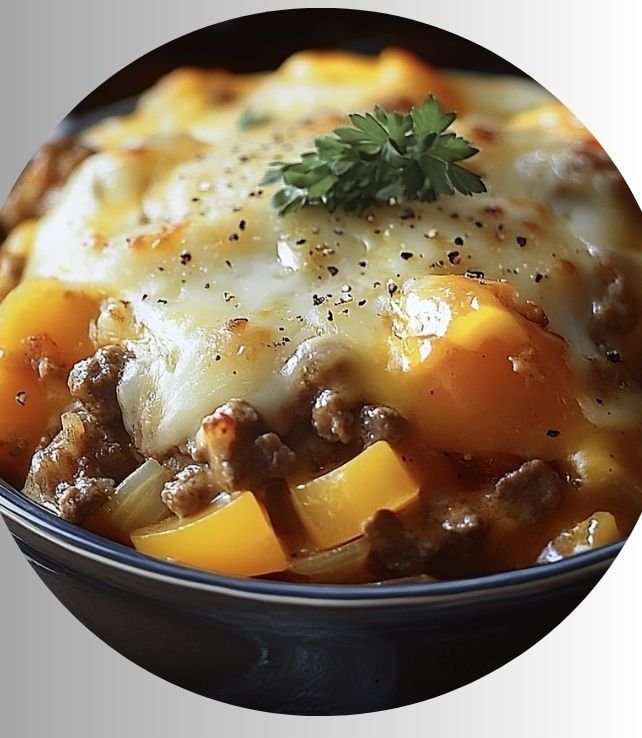
You have ground beef, potatoes, and an onion. The pantry is looking thin, but a family needs to eat. This is the exact situation that has made this dish a quiet legend in home kitchens for generations. It is a lesson in resourcefulness, turning a few humble items into a complete, satisfying meal with minimal fuss and maximum flavor.
I first learned about this casserole from my grandmother, who called it many things: “campfire supper,” “tin foil dinner,” and yes, “hobo packets.” She described making it during lean times, and later, for fun on family camping trips. The principle was always the same: combine, seal, and let the ingredients steam together into something greater than the sum of its parts. Today, I want to guide you through my tested version of the Hobo Casserole, adapted for the modern oven, and explain everything from its history to its nutritional profile.
This recipe yields a hearty, one-dish meal where tender potatoes, savory beef, and sweet onions cook in their own juices. It is straightforward, forgiving, and open to endless interpretation. Below, you will find the core recipe, followed by a deep analysis of its components, science, and variations to make it your own.
Can I make Hobo Casserole ahead of time?
Yes, you can assemble the casserole up to a day in advance. Cover it tightly with plastic wrap and refrigerate. When ready to cook, remove the plastic, cover with foil, and add 10-15 minutes to the initial bake time since you are starting from a cold dish.
Why are my potatoes still hard after baking?
This is almost always due to slices that are too thick or an inadequate seal on the foil. Ensure your potato slices are no thicker than 1/8 inch and that the foil is tightly crimped around the dish to trap all steam.
Can I use frozen vegetables in this casserole?
I do not recommend frozen potatoes or onions as they release too much water and become mushy. Frozen vegetables like peas, corn, or carrots can be added in a small handful, but pat them dry and add them in the last 20 minutes of covered cooking to prevent sogginess.
What can I use instead of cream of mushroom soup?
A cream of celery, chicken, or golden mushroom soup will work. For a from-scratch version, make a simple white sauce: melt 3 tablespoons butter, whisk in 3 tablespoons flour, cook for 1 minute, then slowly whisk in 1 cup of milk or broth until thickened. Season with salt, pepper, and 1/4 cup finely chopped sautéed mushrooms.
Is it possible to cook this on the grill?
Absolutely. This honors its campfire roots. Assemble individual portions on heavy-duty aluminum foil, fold into sealed packets, and place on a preheated medium-high grill. Cook for 30-40 minutes, turning once, until the potatoes are tender.
How can I reduce the sodium in this recipe?
Use a low-sodium condensed soup, low-sodium broth, and reduce or omit the added salt. Rely on herbs and spices like garlic powder, paprika, thyme, and a bay leaf tucked into the layers for flavor without sodium.
Can I add other meats like sausage or bacon?
Certainly. Smoked sausage, sliced into rounds, is a excellent addition. For bacon, chop it raw and mix it with the ground beef, or cook it until crisp and sprinkle it on top before the final bake.
My casserole is too watery. What happened?
Excess water can come from very watery ground beef (choose leaner beef), vegetables with high water content not being patted dry, or not allowing the resting time for the liquids to be absorbed. Using the correct soup-to-broth ratio is also key.
