
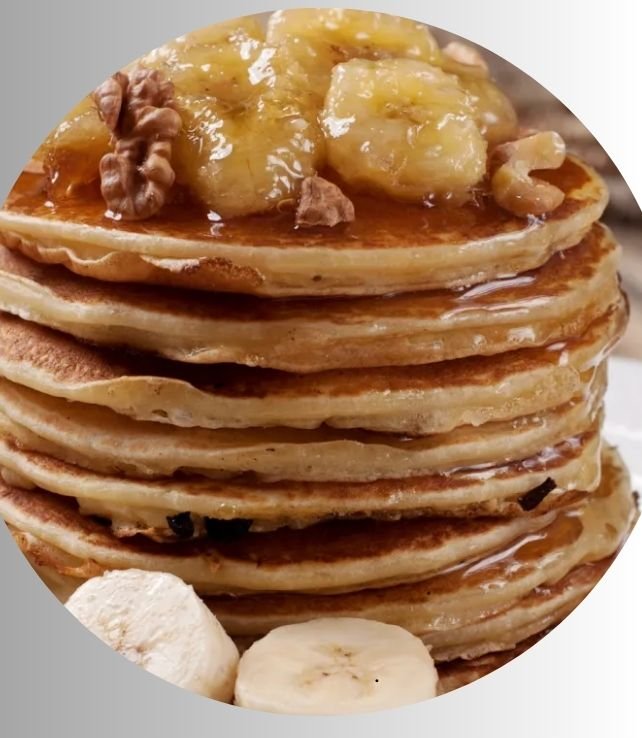
There is a specific sound that defines weekend mornings in my kitchen. It’s not the beep of a coffee maker, but the gentle sizzle of batter hitting a hot, buttered skillet. For years, my search for a reliable pancake formula led to stacks that were either too dense or too cakey, until I tried the approach from Joanna Gaines.
This recipe, rooted in the simple, welcoming style she’s known for, creates pancakes with a perfect balance. They are light and fluffy with a tender crumb, yet substantial enough to support a drizzle of maple syrup without becoming soggy. The method is straightforward, relying on common pantry items, which is perhaps its greatest strength. Below, you will find the complete recipe, followed by a detailed analysis of its ingredients, techniques, and adaptations to make it your own.
How to Make Joanna Gaines Pancake Recipe
This recipe yields a classic, buttermilk-based pancake with a texture that is both airy and satisfying. The key steps involve properly mixing the wet and dry ingredients and managing your cooking surface temperature. Let’s begin with the specifics.
Recipe Details
- Prep Time: 10 minutes
- Cook Time: 15 minutes
- Servings: 4 (about 8-10 pancakes)
- Course: Breakfast
- Cuisine: American
- Diet: Vegetarian
Ingredients
- 2 cups all-purpose flour
- 1/4 cup granulated sugar
- 2 1/4 teaspoons baking powder
- 1/2 teaspoon baking soda
- 1 teaspoon fine sea salt
- 2 cups buttermilk, shaken
- 2 large eggs
- 1/4 cup unsalted butter, melted and slightly cooled, plus more for the skillet
- 1 teaspoon pure vanilla extract
- Maple syrup and butter, for serving
Instructions
- In a large mixing bowl, whisk together the flour, sugar, baking powder, baking soda, and salt. Ensure these dry ingredients are evenly distributed.
- In a separate bowl or large measuring jug, combine the buttermilk, eggs, melted butter, and vanilla extract. Whisk until the eggs are fully incorporated and the mixture is smooth.
- Create a well in the center of the dry ingredients. Pour the buttermilk mixture into the well. Using a spatula or wooden spoon, gently fold the ingredients together. Stop mixing when the flour is just moistened; the batter will be thick and lumpy. This is correct and prevents tough pancakes.
- Allow the batter to rest for 5-10 minutes while you heat your cooking surface. This lets the baking powder begin to activate and the flour hydrate.
- Heat a griddle or large non-stick skillet over medium heat. Test the temperature by sprinkling a few drops of water on the surface; they should dance and evaporate quickly. Lightly coat the surface with butter.
- For each pancake, pour about 1/4 to 1/3 cup of batter onto the hot surface. Cook until bubbles form on the surface and the edges look set and slightly dry, approximately 2-3 minutes.
- Carefully flip the pancakes with a thin spatula. Cook on the second side until golden brown and cooked through, about 1-2 minutes more.
- Transfer cooked pancakes to a warm oven or plate. Continue with the remaining batter, adding more butter to the skillet as needed. Serve immediately with butter and maple syrup.
Nutrition
- Calories: 320 kcal (per serving, 2 pancakes, without syrup)
- Protein: 9 g
- Fat: 12 g
- Carbohydrates: 43 g
- Sugar: 12 g
- Fiber: 1 g
- Sodium: 720 mg
- Cholesterol: 85 mg
Cooking Method
The primary method here is pan-frying on a flat surface, specifically a griddle or skillet. The heat must be consistently medium to allow the interior to cook through before the exterior browns too much. The chemical leavening from the baking powder and baking soda provides the lift, making the flipping process a simple one once the surface bubbles have popped and the edges are set.
Tools Needed
- Large mixing bowl
- Medium mixing bowl or 4-cup liquid measuring cup
- Whisk
- Spatula or wooden spoon
- Griddle or large non-stick skillet
- Thin spatula (fish spatula works well)
- Ladle or 1/4 cup measuring cup for portioning batter
Understanding the Ingredients: A Dietician’s and Chef’s Perspective
Every component in this formula has a distinct functional and nutritional role. Understanding these roles helps in mastering the recipe and making informed substitutions.
Flour: The Structural Foundation
All-purpose flour provides the structure through gluten formation. When mixed with liquid, the proteins gliadin and glutenin combine to form gluten. The gentle mixing technique is crucial here; overmixing develops too much gluten, leading to chewy, tough pancakes. For a nutritional boost, you can substitute up to half of the all-purpose flour with whole wheat pastry flour, which retains more fiber and nutrients while maintaining a tender texture.
Buttermilk: The Flavor and Reactivity Agent
Buttermilk is not merely a liquid. Its acidity serves two critical purposes. First, it reacts with the baking soda, producing carbon dioxide gas that creates lift and a light texture. Second, it tenderizes the gluten strands, contributing to a soft crumb. Nutritionally, it provides protein, calcium, and probiotics. If you do not have buttermilk, a common substitute is 2 cups of milk mixed with 2 tablespoons of white vinegar or lemon juice, left to curdle for 5 minutes.
Leavening: Baking Powder and Baking Soda
This recipe uses a dual-leavening system for maximum rise. Baking powder is a complete leavener, containing both an acid and a base, and activates with liquid and heat. Baking soda requires an acid (the buttermilk) to react. Together, they ensure the pancakes rise quickly and maintain their height throughout cooking. Using the correct amounts is vital; too little and the pancakes are flat, too much and they can taste bitter.
Fats: Butter and Eggs
The melted butter and egg yolks contribute fat, which inhibits gluten formation, ensuring tenderness. They also carry flavor and aid in browning through the Maillard reaction. The eggs provide structure and additional lift as the proteins coagulate during cooking. For a different flavor profile, a neutral oil like avocado or grapeseed can replace the melted butter.
Nutritional Analysis and Dietary Modifications
As a staple breakfast item, it’s useful to understand the nutritional profile of these pancakes and how to adjust them for various dietary needs.
Macronutrient Balance and Satiety
A serving provides a balance of carbohydrates from the flour, protein from the buttermilk and eggs, and fats from the butter and egg yolks. This combination can promote a feeling of fullness. The sugar content, while present, is moderate for a sweet breakfast item. To increase fiber and further improve satiety, consider adding a tablespoon of ground flaxseed or chia seeds to the dry ingredients, or serve with fresh berries.
Gluten-Free Adaptation
To make this recipe gluten-free, replace the all-purpose flour with a 1:1 gluten-free baking blend that contains xanthan gum. I recommend brands like Bob’s Red Mill or King Arthur. The batter may be slightly thinner, so let it rest for a full 10 minutes to allow the flours to hydrate fully before cooking.
Dairy-Free and Vegan Adaptation
For a dairy-free version, use a plant-based milk like oat or soy milk mixed with 2 tablespoons of vinegar for the buttermilk. Replace the melted butter with a neutral oil or melted vegan butter. For a vegan version, also replace the eggs. A reliable egg substitute here is a “flax egg”: mix 1 tablespoon of ground flaxseed with 2.5 tablespoons of water per egg, let it gel for 5 minutes before using. The texture will be slightly denser but still enjoyable.
Lower-Sugar Option
The sugar can be reduced to 2 tablespoons without significantly affecting texture. Alternatively, you can use a granulated monk fruit blend for a zero-calorie sweetener. Remember, the maple syrup added at serving is a primary sugar source, so moderating portion size there is another effective strategy.
The History and Context of the American Pancake
Pancakes are a global phenomenon with ancient roots, but the thick, leavened version we know in the United States has a distinct history. Early American settlers relied on buckwheat and other readily available grains. The introduction of chemical leaveners like pearl ash (potassium carbonate) in the 18th century, and later baking powder in the 19th century, transformed them into the fluffy quick bread we recognize today.
Buttermilk pancakes became a staple in Southern and Midwestern cooking, a way to use the byproduct of churning butter. Joanna Gaines’ recipe fits squarely into this tradition of practical, comforting home cooking that values simplicity and quality ingredients over complexity. It reflects a modern interpretation of a classic, designed for a family breakfast where the process is as rewarding as the result.
Common Mistakes and How to Avoid Them
Even a simple recipe has pitfalls. Here are the most frequent errors I’ve observed and how to sidestep them for a perfect stack every time.
Overmixing the Batter
This is the number one cause of tough, rubbery pancakes. Gluten development begins the moment flour meets liquid. Mix only until the last streaks of dry flour disappear. A lumpy batter is a good batter; it signals you haven’t overworked it.
Incorrect Skillet Temperature
If your skillet is too hot, the pancakes will brown on the outside before the inside is cooked. If it’s too low, they will spread too much and be pale and greasy. The water droplet test is reliable. Additionally, the first pancake is often a test; use it to adjust your heat up or down.
Using Expired Leavening Agents
Baking powder and baking soda lose potency over time. If your pancakes are consistently flat, your leaveners may be old. To test baking powder, mix a teaspoon with hot water; it should fizz vigorously. For baking soda, mix with vinegar. Replace them if the reaction is weak.
Flipping Too Often
Resist the urge to press down on the pancakes or flip them more than once. Each flip can deflate the delicate structure. Wait for those surface bubbles to pop and the edges to look matte before flipping just once.
Serving Suggestions, Pairings, and Storage
While excellent with just butter and syrup, these pancakes can be the centerpiece of a larger meal.
Optimal Serving Temperature
Pancakes are best served immediately. To keep a whole batch warm for serving, place them in a single layer on a baking sheet in a 200°F (95°C) oven. Avoid stacking them in the oven, as they will steam and become soggy.
Flavor Pairings and Toppings
Beyond maple syrup, consider these pairings. For protein, crispy bacon or breakfast sausage links offer a savory contrast. For fruit, sautéed apples with cinnamon, fresh blueberries macerated with a little sugar, or sliced bananas are excellent. A dollop of Greek yogurt adds tang and protein. For a special occasion, a spoonful of lemon curd or a sprinkle of toasted pecans can elevate the dish.
Storage and Reheating Instructions
Leftover pancakes can be stored in an airtight container in the refrigerator for up to 3 days. To freeze, place cooled pancakes in a single layer on a parchment-lined baking sheet until solid, then transfer to a freezer bag for up to 2 months. Reheat from frozen or refrigerated in a toaster, toaster oven, or a 350°F (175°C) oven until warmed through. This method restores crispness better than a microwave.
The Science of the Perfect Flip
The moment to flip is determined by protein coagulation and gas expansion. As the batter heats, the proteins in the eggs and flour set, forming a network that traps the carbon dioxide bubbles from the leaveners. When the bubbles rise to the surface and pop, it indicates the bottom layer is sufficiently cooked and the structure is stable enough to flip. Flipping too early results in a collapsed center because the protein network hasn’t fully set.
Frequently Asked Questions
Can I make the pancake batter the night before?
I do not recommend it. The baking powder will largely exhaust its reaction overnight, leading to dense pancakes. For best results, mix the dry and wet ingredients separately the night before, then combine them in the morning.
My pancakes are always raw in the middle. What am I doing wrong?
This typically means your cooking surface is too hot. The outside browns before the heat can penetrate to the center. Reduce the heat to medium-low and cook slightly longer. Also, ensure you are not making the pancakes too thick; use a measured 1/4 cup of batter for consistent results.
What is the best substitute for buttermilk if I don’t have any?
The most effective substitute is whole milk mixed with an acid. For this recipe, add 2 tablespoons of white vinegar or fresh lemon juice to a 2-cup measuring cup, then fill with milk to the 2-cup line. Stir and let it stand for 5-10 minutes until it thickens slightly and curdles.
Can I use this recipe to make waffles?
You can, but waffle batter usually benefits from a higher fat content for crispness. I would increase the melted butter to 1/2 cup and consider separating the eggs, whipping the whites to soft peaks, and folding them in at the end for extra lift in a waffle iron.
Why did my pancakes turn out gummy or dense?
Gummy texture is almost always caused by overmixing the batter, which over-develops the gluten. Dense results can come from expired leavening agents, not letting the batter rest before cooking, or an incorrect buttermilk substitute that lacked sufficient acidity to react with the baking soda.
How can I tell when the pan is at the right temperature?
The water test is very reliable. Sprinkle a few drops of water onto your preheated griddle or skillet. If the water droplets immediately sizzle and evaporate, the pan is too hot. If they just sit and boil slowly, it’s too low. If the droplets “dance” or bead up and skitter across the surface before evaporating, the temperature is ideal for pancakes.
Is it necessary to use both baking powder and baking soda?
In this recipe, yes. The baking soda is needed to neutralize the acidity of the buttermilk and provide immediate lift. The baking powder provides additional lift that activates with heat, ensuring the pancakes stay fluffy throughout the cooking process. Using both creates a reliable, light texture.
