
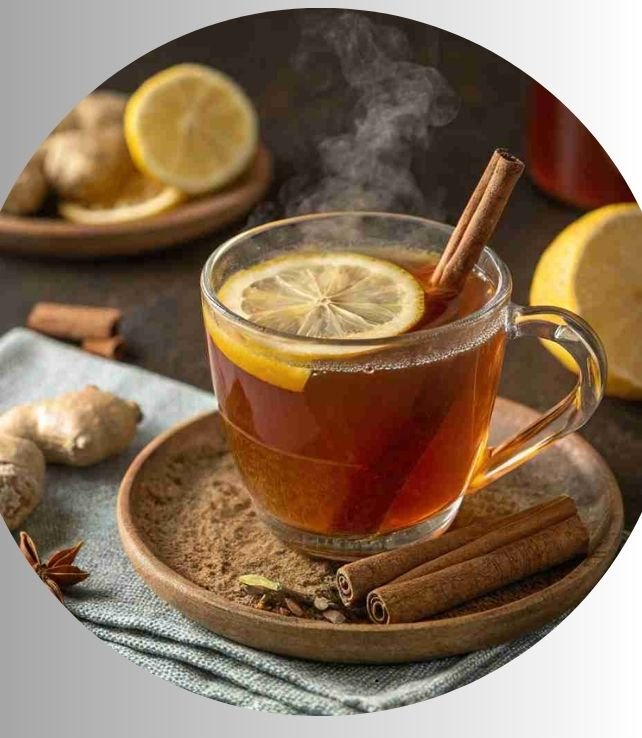
You may have heard about a specific tea from Costa Rica that people discuss for its potential role in a balanced diet. As a dietician, I approach such topics with a focus on evidence and whole ingredients. After researching and preparing this beverage myself, I found its simplicity and use of whole foods to be its strongest assets.
This is not a quick solution, but a traditional infusion that can complement a mindful eating pattern. The core recipe combines fresh ginger root, whole cinnamon, and lemon. Below, you will find the complete method, followed by a detailed analysis of why each component matters and how to integrate it effectively into your routine.
How to Make Costa Rican Tea Recipe for Weight Management
This preparation is straightforward, but the quality of ingredients and technique influence the final result. The process involves simmering to extract maximum flavor and beneficial compounds from the fresh roots and spices.
Recipe Details
- Prep Time: 5 minutes
- Cook Time: 15-20 minutes
- Servings: 2
- Course: Beverage
- Cuisine: Costa Rican
- Diet: Vegan, Gluten-Free
Ingredients
- 4 cups (1 liter) filtered water
- 1 piece fresh ginger root (approx. 2 inches or 50g), thinly sliced
- 1 cinnamon stick (preferably Ceylon cinnamon)
- Juice of 1/2 fresh lemon (about 2 tablespoons)
- Optional: 1 teaspoon raw honey or a natural zero-calorie sweetener like stevia leaf
Instructions
- Rinse the ginger root thoroughly under cold water. Using a sharp knife or a spoon to scrape the skin, peel it completely. Slice the ginger into thin rounds; this increases the surface area for better infusion.
- In a medium saucepan, combine the filtered water, sliced ginger, and the whole cinnamon stick.
- Place the saucepan over medium-high heat and bring the mixture to a boil.
- Once boiling, reduce the heat to low, cover the pan, and allow it to simmer gently for 15 to 20 minutes. The liquid will reduce slightly and take on a deep amber color.
- Remove the pan from the heat. Strain the liquid into a teapot or directly into mugs, discarding the solid ginger slices and cinnamon stick.
- Stir in the fresh lemon juice. If you prefer a sweeter taste, add honey or your chosen sweetener at this stage, stirring until fully dissolved.
- Consume while warm. For a chilled version, allow the strained tea to cool to room temperature before refrigerating.
Nutrition
- Calories: 15 kcal (without sweetener)
- Protein: 0.3 g
- Fat: 0.1 g
- Carbohydrates: 4 g
- Sugar: 0.5 g (naturally occurring)
- Fiber: 0.5 g
- Sodium: 10 mg
- Cholesterol: 0 mg
Cooking Method
The method used is a gentle simmer, which is distinct from a rapid boil or a simple steeping. Simmering allows for a more complete extraction of the bioactive compounds, like gingerols from ginger and cinnamaldehyde from cinnamon, into the water. This creates a more potent and flavorful infusion compared to merely pouring hot water over the ingredients.
Tools Needed
- Medium saucepan (non-reactive, like stainless steel)
- Sharp knife and cutting board
- Fine mesh strainer
- Measuring cups
- Juicer or fork for lemon
Ingredient Analysis: Why Each Component Matters
The effectiveness of this infusion lies in the synergistic properties of its whole-food ingredients. Understanding their individual attributes allows you to source them intelligently and appreciate their role.
Fresh Ginger Root
Ginger is the foundational ingredient. The compound gingerol is responsible for its characteristic pungency and many of its studied properties. When simmered, some gingerol converts to zingerone, which has a sweeter aroma.
From a dietary perspective, ginger may support digestive function. A settled digestive system can be a helpful factor in maintaining a consistent, healthy eating pattern. I always select ginger that is firm, smooth, and heavy for its size, with taut skin.
Cinnamon Stick
There are two primary types: Ceylon and Cassia. For regular consumption, I recommend seeking out Ceylon cinnamon. It has a milder, more complex flavor and contains significantly lower levels of coumarin, a compound that can be concerning in very high doses.
Cinnamon is known to help modulate post-meal blood glucose spikes. Stable blood sugar levels can help manage hunger cues and reduce the likelihood of energy crashes that lead to unplanned eating.
Fresh Lemon Juice
Adding lemon juice after cooking preserves its vitamin C content and bright acidity. Vitamin C is an antioxidant and supports immune function. The tart flavor also enhances the overall taste without adding calories, which can make the tea more satisfying without sweeteners.
Always juice a fresh lemon. Bottled lemon juice often contains preservatives and lacks the vibrant flavor and nutrient profile of the fresh fruit.
Water Quality and Optional Sweeteners
Using filtered water ensures no off-flavors from chlorine or minerals interfere with the delicate spice notes. For sweetening, raw honey offers trace enzymes and antioxidants, but it adds fructose. A drop of liquid stevia or a monk fruit blend are effective zero-calorie alternatives for those strictly monitoring sugar intake.
Nutritional Science and Dietary Role
This beverage should be viewed as a supportive element within a broader nutritional framework. Its primary benefit is that it is a very low-calorie, hydrating drink that can displace higher-calorie alternatives like sugary sodas or creamy coffee drinks.
The ginger and cinnamon may contribute to a feeling of fullness and support metabolic efficiency. Importantly, it contains no caffeine, making it suitable for consumption at any time of day without affecting sleep patterns. Replacing an afternoon high-calorie snack with a warm cup of this tea can create a meaningful caloric deficit over time.
Dietary Adaptations and Variations
This base recipe accommodates many dietary needs, but you can adjust it further.
For Enhanced Flavor or Function
- Turmeric Addition: Add a 1-inch piece of fresh turmeric root, sliced, to the simmer. It contains curcumin, a noted anti-inflammatory compound. Add a pinch of black pepper to enhance curcumin absorption.
- Herbal Notes: Introduce a few fresh mint leaves or a sprig of rosemary in the last 2 minutes of simmering for a different aromatic profile.
- Iced Version: Prepare a double-strength batch (simmer longer with the same water amount), then pour over a full glass of ice after straining. The dilution from the ice will bring it to a standard strength.
Addressing Specific Diets
The recipe is inherently vegan and gluten-free. For a Low-FODMAP adaptation, limit the ginger to a 1-inch piece and ensure you use Ceylon cinnamon, as these are generally better tolerated. Those on low-oxalate diets should note that ginger and cinnamon contain moderate oxalate levels.
Cultural and Historical Context
In Costa Rica, known as “agua de sapo” or “té de jengibre,” this drink is less a formal “weight loss tea” and more a traditional home remedy for digestion and warmth. It is commonly prepared in households, especially in cooler highland regions or when someone feels under the weather.
Its popularity in wellness circles outside Costa Rica often focuses on isolated properties, but within its culture, it is simply a valued, everyday beverage made from readily available ingredients. This perspective—viewing it as a wholesome part of daily life rather than a specialized tool—is a sustainable approach to incorporating it.
Common Mistakes and Expert Tips
Small errors in preparation can change the outcome. Here is how to avoid them.
Over-Boiling or Under-Infusing
A rolling boil can cause volatile aromatic oils to evaporate. A low, covered simmer is essential. Conversely, steeping for only 5 minutes will not extract enough flavor or compounds. The 15-20 minute window is optimal.
Using Powdered Spices
Ground ginger and cinnamon powder will make the tea cloudy, gritty, and overly strong in a unpleasant way. They are also harder to strain completely. Whole, fresh ingredients are non-negotiable for a clear, refined infusion.
Adding Lemon During Cooking
If you add lemon juice while the tea is still simmering, the heat will destroy much of the vitamin C and can make the juice taste bitter. Always add citrus off the heat.
Serving, Pairing, and Storage Guidance
This tea is best enjoyed warm in the morning or between meals. It pairs well with a light breakfast of fruit and nuts or a simple oat-based dish. It is not a meal replacement but a beverage to accompany one.
Store any leftover strained tea in a sealed glass jar in the refrigerator for up to 3 days. Reheat gently on the stovetop or enjoy it cold. You may notice a natural sediment settling; this is normal and can be shaken or stirred before drinking.
Frequently Asked Questions
How many times a day can I drink this tea?
One to two cups per day is a reasonable amount. It is important to maintain variety in your fluid intake, so also consume plain water throughout the day.
Can I drink this tea before bed?
Yes, as it contains no caffeine, it can be a calming evening drink. Some find the warmth and ginger aid in relaxation before sleep.
Is this tea safe during pregnancy?
While ginger is often used to ease nausea, pregnant individuals should consult their healthcare provider before consuming ginger-based remedies regularly, as recommendations can vary by trimester and individual health.
Why is my tea tasting bitter or weak?
A bitter taste often comes from over-boiling or simmering with the lid off, which concentrates the liquid too much. A weak taste means the ginger was not fresh, the slices were too thick, or the simmering time was insufficient.
Can I use bottled ginger juice instead of fresh ginger?
I do not recommend it. Bottled ginger juice is often pasteurized and can contain additives. The flavor and potential benefits are significantly inferior to those from simmering fresh root.
Will this tea directly increase my metabolism?
No single food or drink dramatically alters metabolism. This tea can be part of a lifestyle that includes balanced nutrition and physical activity, which together support a healthy metabolic rate.
Can I make a large batch and keep it for a week?
For the best flavor and to preserve the integrity of the compounds, prepare a batch that lasts 2-3 days. The fresh ingredients lose potency over time, even when refrigerated.
What is the difference between this and store-bought “slimming” teas?
Commercial teas often contain laxatives like senna or diuretics. This recipe uses only whole foods—ginger, cinnamon, lemon—with no pharmaceutical additives, making it a gentler, food-based option.
