
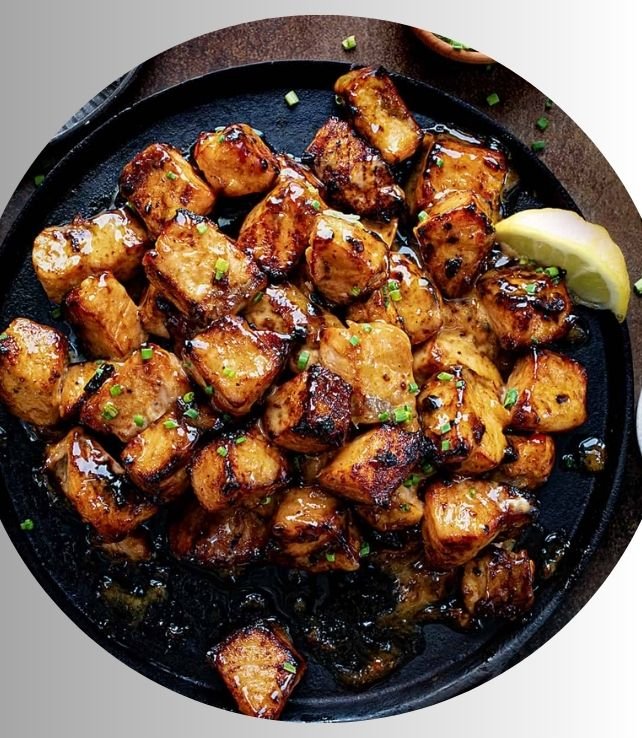
Finding a way to prepare salmon that is quick, reliable, and appeals to everyone at the table can be a challenge. The common fear of overcooking a beautiful filet into a dry, disappointing meal is real. This method transforms salmon into something entirely different, a hands-on meal that solves the weeknight dinner puzzle.
This recipe for fried salmon bites is my solution. It turns a premium piece of fish into approachable, crispy morsels that cook in minutes. I developed this technique after a trip to the Pacific Northwest, where I watched a chef quickly sear small salmon cubes for a salad. The speed and resulting texture were a revelation. I have since refined the process for the home kitchen, focusing on maximizing crispness while keeping the interior perfectly tender.
Below, you will find the complete recipe, followed by a detailed analysis of the ingredients, cooking science, and nutritional benefits. This guide is designed to give you not just a list of steps, but a complete understanding of how to master this dish.
How to Make Fried Salmon Bites Recipe
This section provides the complete formula for creating crispy salmon bites. The instructions are written for pan-frying, which provides the best sear and control. Alternative methods using an oven or air fryer are detailed in a subsequent section.
Recipe Details
- Prep Time: 15 minutes
- Cook Time: 10 minutes
- Servings: 3-4
- Course: Main Course
- Cuisine: American
- Diet: Gluten-Free, Low-Carb
Ingredients
- 1.5 pounds salmon filet, skin removed
- 2 tablespoons olive oil or avocado oil
- 1 teaspoon kosher salt
- 1/2 teaspoon black pepper, freshly ground
- 1 teaspoon garlic powder
- 1 teaspoon paprika
- 1/2 teaspoon onion powder
- 1 tablespoon cornstarch or arrowroot powder
- 1 tablespoon fresh lemon juice
- 2 tablespoons fresh parsley, chopped (for garnish)
Instructions
- Pat the salmon filet completely dry with paper towels. Use a sharp knife to slice the fish into 1-inch cubes. Place the pieces in a medium-sized bowl.
- Drizzle the lemon juice over the salmon cubes and toss gently to coat.
- In a small bowl, combine the salt, black pepper, garlic powder, paprika, onion powder, and cornstarch. Sprinkle this seasoning mixture over the fish.
- Toss the salmon in the bowl until each piece is evenly coated with the spice blend.
- Preheat a large, heavy-bottomed skillet or non-stick pan over medium-high heat. Add the oil and swirl to coat the surface.
- Once the oil is shimmering, carefully place the salmon cubes in a single layer in the pan. Do not overcrowd; cook in two batches if necessary.
- Fry the salmon for 2-3 minutes without moving them, allowing a golden-brown crust to form on the first side.
- Use tongs to flip each piece. Cook for another 1-2 minutes on the other sides until the exterior is crispy and the internal temperature reaches 125°F for medium or 135°F for well-done.
- Remove the salmon bites from the pan and transfer to a plate lined with a paper towel to drain any excess oil.
- Garnish with fresh parsley and serve immediately with your chosen sides and sauce.
Nutrition
- Calories: 285 kcal
- Protein: 34 g
- Fat: 15 g
- Carbohydrates: 2 g
- Sugar: 0 g
- Fiber: 0 g
- Sodium: 680 mg
- Cholesterol: 95 mg
Cooking Method
The primary method described is pan-frying. This technique uses direct, high heat from a stovetop pan to create a Maillard reaction on the surface of the fish, resulting in a flavorful, crispy exterior while the inside remains moist.
Tools Needed
- Sharp Chef’s Knife
- Cutting Board
- Large Skillet (cast iron or heavy-bottomed non-stick)
- Mixing Bowls (small and medium)
- Tongs
- Paper Towels
- Instant-Read Thermometer (recommended)
Selecting and Preparing the Primary Ingredient
The success of this dish begins with the quality and preparation of the fish itself. Not all salmon is created equal, and the initial handling is critical for the best texture.
Types of Salmon to Use
You can use any variety of salmon for this recipe, but the fat content and flavor will vary. Atlantic salmon, commonly found in supermarkets, has a high fat content which keeps it moist during the high-heat cooking process. Sockeye salmon has a deeper red color and a richer, more robust flavor, but it is leaner and can dry out slightly faster if overcooked. Coho and King salmon are also excellent choices if available.
I recommend a skinless, center-cut filet for uniformity. The skin is difficult to crisp properly when cut into small pieces and can make the bites chewy. If you buy a filet with the skin on, place it skin-side down on the cutting board and use a long, flexible fillet knife to separate the skin from the flesh with a sawing motion.
The Science of Drying and Coating
The instruction to pat the salmon dry is not a suggestion; it is a mandatory step for achieving a crisp layer. Moisture on the surface of the fish creates steam, which prevents browning. The cornstarch in the seasoning mix is a key ingredient. It acts as a drying agent, absorbing any residual surface moisture, and contributes to a delicate, crispy crust without making the bites taste breaded.
Ingredient Analysis and Substitutions
Every component in the recipe has a specific functional and flavor purpose. Understanding this allows for intelligent adaptations based on dietary needs or pantry availability.
Core Seasonings in This Recipe
The seasoning blend is a balanced combination of aromatics and colorants. Garlic and onion powder provide a savory, allium base note that penetrates the fish quickly. Paprika adds a subtle sweetness and a vibrant red color. The cornstarch, as discussed, is crucial for texture. Kosher salt is preferred over table salt because its larger flakes distribute more evenly and are easier to control.
Cajun Seasoning for Salmon Nuggets
For a spicier profile, you can replace the listed spice blend with two tablespoons of a salt-free Cajun seasoning. This typically contains paprika, garlic, onion, cayenne pepper, black pepper, and oregano. Because these blends vary, always taste and adjust the salt level accordingly after coating the fish.
Making Your Own Ingredient Substitutions
This recipe is highly adaptable. For a gluten-free diet, it is naturally compliant as written. If you do not have cornstarch, arrowroot powder is a perfect 1:1 substitution. Tapioca starch also works, but may create a slightly chewier texture. Avocado oil is an excellent alternative to olive oil due to its higher smoke point, which is ideal for achieving a sear without burning the oil.
For a dairy-free option, the recipe is already compliant. The lemon juice provides the necessary acidity to brighten the dish without the need for dairy-based sauces. If you wish to make the recipe lower in sodium, reduce the salt to 1/2 teaspoon and rely more heavily on the other spices and a finishing squeeze of lemon for flavor.
Comprehensive Cooking Methods
While pan-frying is the recommended method for maximum crispness, you can achieve excellent results with an oven or an air fryer. The principles of drying and seasoning remain the same, but the time and technique adjust.
Pan-Fried Salmon Bites
This method, detailed in the main recipe, provides the most direct control over the cooking process. The key is preheating the pan properly and avoiding the temptation to move the pieces prematurely. A well-seasoned cast iron skillet is the best tool for this job, as it retains and distributes heat evenly, creating a consistent sear on every side of the cube.
Oven-Baked Salmon Bites
Baking is a hands-off method suitable for cooking a larger batch. Preheat your oven to 425°F. Arrange the seasoned salmon cubes on a parchment-lined baking sheet, ensuring they are not touching. Bake for 8-12 minutes, or until the internal temperature is correct. The result will be less crispy than pan-frying but still very flavorful and moist.
Air Fryer Salmon Bites
The air fryer is excellent for creating a crispy exterior with very little oil. Preheat the air fryer to 400°F. Place the seasoned fish pieces in the basket in a single layer. Cook for 6-8 minutes, shaking the basket gently halfway through. The circulating hot air mimics frying, producing a satisfying texture with less added fat.
Nutritional Breakdown and Health Benefits
From a dietary perspective, this preparation method highlights the inherent health benefits of salmon without adding excessive calories from heavy batters or breading.
Salmon is one of the best natural sources of omega-3 fatty acids, specifically EPA and DHA. These fats are essential for reducing inflammation, supporting brain health, and improving cardiovascular function. A single serving of these salmon bites provides a substantial amount of your daily protein needs, which is vital for muscle repair, satiety, and metabolic function.
The cooking method preserves these nutrients. Unlike deep-frying, which can degrade delicate omega-3s, quick pan-frying at a controlled temperature minimizes nutrient loss. Using healthy fats like olive oil for cooking further enhances the absorption of fat-soluble vitamins present in the fish.
Common Mistakes and Expert Tips for Perfect Results
Avoiding a few common errors will ensure your salmon bites turn out perfectly every time.
- Overcrowding the Pan: Adding too many pieces at once will cause the pan temperature to drop dramatically. The fish will steam instead of sear, resulting in a soft, pale exterior. Cook in batches to maintain high heat.
- Underseasoning: Do not be shy with the seasoning blend. The surface area of the cubes is high, and they need adequate salt and spice to be flavorful throughout.
- Overcooking: This is the most frequent error. Salmon cubes cook very quickly. An instant-read thermometer is the most reliable tool. Remove the fish from the heat when it reaches 125°F; the residual heat will carry it to a safe and moist 130-135°F.
- Using a Flimsy Pan: A thin, lightweight pan will create hot spots that burn some pieces while undercooking others. A heavy-bottomed pan is a necessary investment for this and many other searing applications.
Serving, Pairing, and Storage Guidance
These versatile morsels can be the centerpiece of various meals, from a casual appetizer to a full dinner plate.
My Favorite Sides to Serve With Salmon Bites
The rich, savory flavor of the salmon pairs well with light, acidic, or starchy sides. For a low-carb meal, serve them over a simple arugula salad with a lemon vinaigrette or with a side of roasted asparagus. If you prefer carbohydrates, these bites are excellent with steamed jasmine rice, which absorbs any pan sauces or drippings, or with creamy mashed potatoes. For a complete meal, consider a grain bowl with rice, a green vegetable, and a drizzle of sauce.
Sauce Recommendations
A complementary sauce can elevate the dish. A simple mix of Greek yogurt, dill, and lemon juice makes a cool, creamy dip. For an Asian-inspired twist, combine soy sauce (or tamari), rice vinegar, a touch of sesame oil, and minced ginger. A classic tartar sauce or a spicy sriracha mayo also works well.
Storage and Reheating
Store leftover salmon bites in a sealed container in the refrigerator for up to 2 days. The crispy texture will soften upon storage. To reheat, use an air fryer or a conventional oven preheated to 375°F for 3-5 minutes. Avoid using a microwave, as it will make the fish rubbery and the coating soggy.
Frequently Asked Questions
What is the best pan to fry salmon in?
A heavy-bottomed pan like a cast iron skillet or a high-quality tri-ply stainless steel pan is ideal. These materials distribute heat evenly and retain temperature well when the cold fish is added, preventing hot spots and ensuring a consistent sear on every piece.
Do you need to flip salmon when frying?
Yes, you must flip the pieces to cook all sides. However, you should only flip them once the first side has developed a firm, browned crust. If you try to turn them too early, the fish will stick to the pan and tear. A good sear will naturally release the pieces from the cooking surface.
How do you pan-fry salmon so it doesn’t stick?
Three factors prevent sticking: a properly preheated pan, an adequate amount of oil, and patience. Ensure the pan is hot before adding the oil, and then ensure the oil is shimmering before adding the fish. Do not move the pieces for the first 2-3 minutes; this allows a crust to form which acts as a barrier between the fish and the metal.
Is it better to bake or pan-fry salmon?
This depends on your desired outcome. Pan-frying is superior for creating a crispy, browned exterior and a rich flavor from the Maillard reaction. Baking is a simpler, more hands-off method that produces a more uniformly cooked, tender piece of fish with less crispness. For this specific recipe focused on “bites,” pan-frying is generally preferred.
Can I use frozen salmon for this recipe?
Yes, but it must be fully thawed in the refrigerator first. Attempting to cube partially frozen salmon is difficult and dangerous. Once thawed, pat it exceptionally dry, as frozen fish tends to release more water during the thawing process.
What is the purpose of the cornstarch?
The cornstarch serves two primary functions. First, it absorbs any remaining surface moisture on the fish, which is the enemy of browning. Second, when it comes into contact with the hot oil, it creates a very thin, delicate, and crispy layer on the outside of each salmon cube without the need for a heavy batter.
How can I tell when the salmon bites are done cooking?
The most accurate method is to use an instant-read meat thermometer. Insert it into the thickest part of a cube; it should read 125°F for medium (still slightly translucent in the very center) or 135°F for well-done (opaque throughout). Visually, the flesh will be opaque and will flake easily with a fork.
