
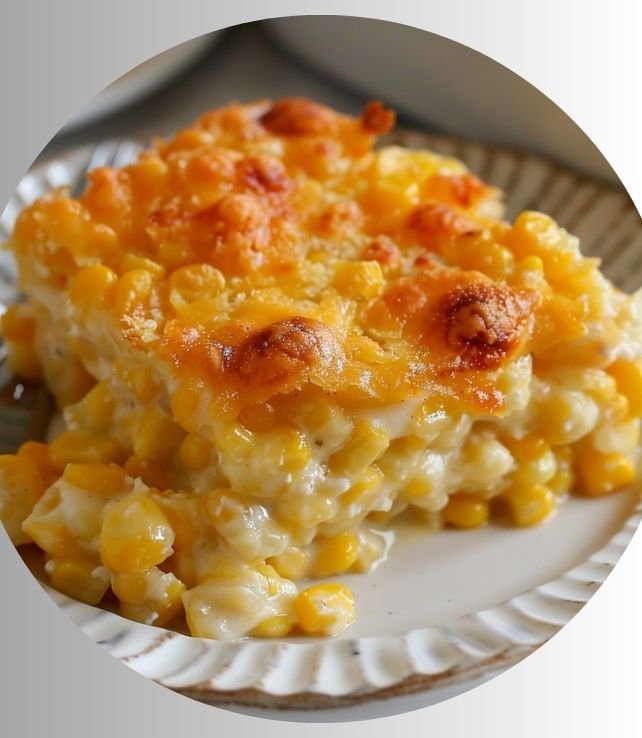
You know that warm, savory-sweet side dish that makes a Cracker Barrel dinner feel complete. The one with the golden, almost-cornbread top and the creamy, corn-filled center. For years, I tried to recreate that specific texture and flavor at home, with mixed results.
My grandmother’s old church cookbook held a clue: a simple casserole built on a boxed corn muffin mix. It was good, but it wasn’t quite right. It was through my work as a dietitian, analyzing ingredients for both flavor and function, that I finally cracked the code. This recipe is the result of that process, a meticulous recreation that brings the restaurant experience to your table.
Below, you will find not just the formula, but a complete guide to the science, history, and nutrition behind this beloved American dish. We will examine every component, from the type of corn to the chemistry of baking, ensuring your result is perfect.
How to Make Cracker Barrel Corn Casserole Recipe
This section provides the core instructions. I have tested this process numerous times to guarantee consistency. The key is in the gentle mixing and the precise baking time, which we will explore in greater depth later.
Recipe Details
- Prep Time: 10 minutes
- Cook Time: 55 minutes
- Servings: 8
- Course: Side Dish
- Cuisine: American
- Diet: Vegetarian
Ingredients
- 1 (15 oz) can whole kernel corn, drained
- 1 (15 oz) can cream style corn
- 1 (8.5 oz) package Jiffy corn muffin mix
- 1 cup sour cream
- 1/2 cup (1 stick) unsalted butter, melted
- 1 1/2 cups shredded sharp cheddar cheese, divided
- 1/4 teaspoon black pepper (optional)
Instructions
- Begin by preheating your oven to 350°F (175°C). This ensures a consistent temperature from the moment the dish is placed inside.
- Take a large mixing bowl. Add the drained whole kernel corn, cream style corn, sour cream, and melted butter. Stir these wet ingredients together until they are just combined.
- Add the entire package of corn muffin mix and 1 cup of the shredded cheddar cheese. If using, add the black pepper. Fold the dry ingredients into the wet mixture. Be careful not to overmix; a few lumps are acceptable. Overmixing develops too much gluten, leading to a tough texture.
- Pour the batter into a lightly greased 9×13 inch casserole dish or a 10-inch cast iron skillet. Use a spatula to spread it evenly.
- Place the dish, uncovered, into the preheated oven. Bake for 45 minutes.
- Remove the casserole from the oven. The top should be set but not yet golden. Sprinkle the remaining 1/2 cup of cheddar cheese evenly over the top.
- Return the dish to the oven and bake for an additional 10-15 minutes, or until the cheese is bubbly and the edges are a deep golden brown.
- Let the casserole stand at room temperature for at least 5 minutes before serving. This allows the structure to set, making it easier to slice and serve.
Nutrition
- Calories: 385 kcal
- Protein: 9 g
- Fat: 21 g
- Carbohydrates: 42 g
- Sugar: 11 g
- Fiber: 2 g
- Sodium: 680 mg
- Cholesterol: 55 mg
Cooking Method
The primary method for this dish is baking. The dry heat of the oven performs two critical functions. It cooks the starch in the muffin mix, setting the structure, and it creates the Maillard reaction on the top layer, producing the complex, roasted flavors and golden color we associate with this casserole.
Tools Needed
- 9×13 inch casserole dish or 10-inch cast iron skillet
- Large mixing bowl
- Mixing spoon or spatula
- Measuring cups
- Can opener
Ingredient Analysis and Selection
Each component in this recipe plays a specific role. Understanding these roles allows you to make informed substitutions and troubleshoot any issues that may arise.
The Role of Corn
The combination of whole kernel and cream style corn is non-negotiable for an authentic texture. The whole kernels provide bursts of juicy sweetness and a firm texture. The cream style corn, a puree of corn kernels in a thickened sauce, contributes moisture, binds the ingredients, and delivers a concentrated corn flavor throughout the dish.
Jiffy Corn Muffin Mix Explained
Jiffy mix is more than just flour; it is a complete system. It contains wheat flour, degerminated yellow cornmeal, sugar, and leavening agents like baking soda. The sugar balances the savory elements, while the leavening creates a slight rise, giving the casserole its characteristic tender, cake-like top layer. Its specific formulation is why this brand produces the most recognized result.
Dairy’s Functional Purpose
Sour cream is the secret to the rich, tangy undertone and incredibly moist crumb. Its fat content tenderizes the gluten strands from the flour, while its acidity reacts with the baking soda in the muffin mix, contributing to a lighter texture. Melted butter adds flavor and fat, which helps create a tender mouthfeel. The cheddar cheese provides a sharp, salty contrast and a protein-rich, bubbly top.
Nutritional Breakdown
As a dietitian, I believe understanding what you eat is the first step toward a balanced diet. This dish is a energy-dense side, not a low-calorie option, but its nutritional profile can be contextualized.
The primary macronutrients are carbohydrates from the corn and muffin mix, and fats from the dairy and butter. These provide sustained energy. The cheese and the small amount of protein in the corn and muffin mix contribute to the protein content. The dish contains a moderate amount of dietary fiber, primarily from the corn, which aids digestion.
The sodium level is significant, largely from the canned corn and the processed muffin mix. For those monitoring sodium intake, this is a key consideration. The sugar content is a combination of natural sugars from the corn and added sugars in the muffin mix and cream style corn.
Dietary Adaptations
This recipe is highly adaptable. With a few strategic swaps, you can accommodate various dietary needs without sacrificing the core experience.
Gluten-Free Version
Replace the Jiffy corn muffin mix with a certified gluten-free cornbread mix. Be sure to check that the brand’s mix includes leavening agents. The other ingredients are naturally free of gluten.
Dairy-Free and Vegan Version
Substitute the sour cream with plain, unsweetened vegan yogurt or silken tofu blended until smooth. Use a plant-based butter alternative for melting. For the cheese, a high-quality vegan cheddar shred that melts well is essential. The result will be slightly different in flavor but maintains the creamy, savory-sweet profile.
Lower-Fat and Lower-Sodium Options
Use low-fat sour cream and reduce the butter by a quarter. You can use a reduced-fat cheddar cheese, though the melt and texture may be less ideal. To lower sodium, seek out no-salt-added canned corn and consider using a lower-sodium cornbread mix, though these can be harder to find.
Cultural and Historical Context
This casserole is a quintessential example of mid-20th century American “home cooking,” a cuisine born from convenience and pantry staples. The post-war era saw an explosion of packaged foods, and recipes like this one, which cleverly combined a boxed mix with canned goods, became staples at potlucks, church suppers, and family dinners.
While Cracker Barrel popularized it, the recipe’s true origin is communal. It shares DNA with Southern corn pudding and spoonbread, but the addition of the commercial muffin mix is a modern twist. It represents a specific time in American food history where ease and comfort were paramount.
Common Mistakes and Expert Tips
Avoiding these common errors will elevate your casserole from good to exceptional.
Overmixing the Batter
When you vigorously mix the muffin mix into the wet ingredients, you develop the wheat gluten. This leads to a tough, rubbery texture instead of a tender one. Fold gently until the dry ingredients are just moistened.
Incorrect Baking Dish
The size of the dish matters. A 9×13 dish provides the ideal surface area for the correct thickness. A smaller dish will result in a thicker, undercooked center, while a larger dish will make a thin, dry casserole. A cast iron skillet is an excellent alternative as it heats evenly and promotes a superb crust.
Adding Cheese Too Early
If you add all the cheese at the beginning, it will mostly sink into the batter and can make the bottom oily. It also prevents the top from forming a proper crust. Adding it in the final minutes allows it to melt beautifully on the surface.
Serving, Pairing, and Storage
This casserole is designed to be a supporting player in a larger meal, complementing robust, savory main courses.
Ideal Pairings
Its sweet and savory profile makes it a classic partner for roasted or fried chicken. It also stands up well to the smoky flavors of barbecue, such as pulled pork or brisket. For a holiday meal, it is a natural fit alongside turkey or baked ham.
Storage and Reheating Instructions
Once cooled, cover the dish tightly with plastic wrap or transfer portions to an airtight container. It will keep in the refrigerator for up to 4 days. To reheat, place individual portions in the oven at 325°F until warm throughout, or use a microwave for a quicker option, though the top will lose its crispness.
Freezing Guidelines
This casserole freezes well. After baking and completely cooling, wrap the entire dish or portions in a layer of plastic wrap followed by a layer of aluminum foil to prevent freezer burn. It can be frozen for up to 3 months. Thaw overnight in the refrigerator before reheating.
Frequently Asked Questions
What is the difference between corn casserole and cornbread?
Cornbread is a baked quick bread with a dry, crumbly texture. Corn casserole is a spoonable side dish with a moist, spoonable interior and a cake-like top, achieved by using more wet ingredients like canned corn and sour cream.
Can I make this recipe ahead of time?
Yes. You can combine all the ingredients and keep the unbaked mixture in the refrigerator, covered, for up to 24 hours. You may need to add a few extra minutes to the baking time if the dish goes into the oven cold.
Why did my casserole turn out watery?
The most common cause is not draining the whole kernel corn thoroughly. Another cause could be under-baking. Use a toothpick or knife inserted into the center; it should come out clean, not wet.
Is it necessary to use both types of corn?
For the authentic texture and flavor, yes. The cream style corn provides the essential creamy base, while the whole kernels give textural contrast. Using only one type will result in a different dish.
Can I use a different brand of corn muffin mix?
You can, but the results will vary. Jiffy mix has a specific sweetness, texture, and leavening balance. Other brands may be less sweet or have a different flour-to-cornmeal ratio, altering the final product.
How can I tell when the casserole is fully cooked?
The edges will be pulling away from the sides of the dish and will be a deep golden brown. The center should be set and not jiggle when you gently shake the pan. A toothpick inserted into the center (avoiding a melted cheese patch) should come out clean.
What can I use if I don’t have a casserole dish?
A 10-inch cast iron skillet is an excellent alternative and will produce a wonderful crust. A 9-inch square baking dish can also work, but the casserole will be thicker and may require a slightly longer baking time.
