
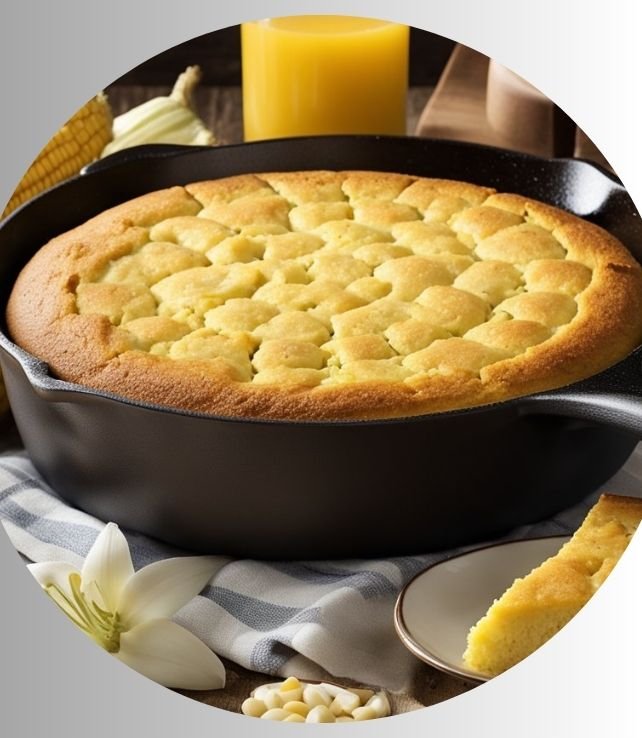
There is a specific sound that defines my childhood kitchen: the sharp crack of an egg on the rim of my grandmother’s yellow Pyrex bowl, followed by the gentle scrape of a wooden spoon against glass. That sound meant cornbread was coming. It was not a sweet, cake-like bread, but a true Southern cornbread with a crisp, savory crust and a tender, almost creamy interior. The secret, she always insisted, was not in her hands, but in the bag. It was White Lily Flour.
For decades, home cooks across the South have understood that this specific brand creates a texture that others cannot replicate. Today, I will guide you through the process of making the definitive White Lily cornbread recipe. This is more than a list of ingredients; it is a detailed analysis of the how and why, from the chemistry of the flour to the thermal dynamics of a cast iron skillet. We will examine its nutritional profile, explore its cultural significance, and ensure your results are perfect every time.
Why You’ll Love This Recipe
This recipe produces a cornbread that is structurally sound yet remarkably tender. The crust is dark and crisp, providing a satisfying contrast to the soft, moist crumb inside. It is a versatile bread that can stand alone with a pat of butter or serve as the foundation for a holiday dressing.
Its simplicity is its strength. With a handful of pantry staples and one crucial brand-specific ingredient, you can achieve a result that feels both humble and exceptional. The process is straightforward, but the knowledge behind each step elevates it from a simple bake to a culinary craft.
The Unmistakable Role of White Lily Flour
To understand this cornbread, you must first understand its primary component. White Lily Flour is not a generic all-purpose flour. It is a soft wheat flour, meaning it is milled from low-protein winter wheat. The protein content in flour, primarily glutenin and gliadin, determines how much gluten forms when mixed with liquid.
Gluten Development and Texture
High-protein bread flours can develop a strong, elastic gluten network, ideal for chewy artisan loaves. White Lily, with its low protein content (around 8-9% compared to 11-12% in national all-purpose brands), forms a much weaker gluten structure. In a quick bread like cornbread, this results in a delicate, tender bite that doesn’t become tough or rubbery. It is this characteristic that prevents the final product from being dense.
A Regional Ingredient with National Appeal
The unique growing conditions for soft red winter wheat in the Southern United States gave rise to mills like White Lily. For generations, this was the flour available, and Southern baking traditions adapted to its properties. While its distribution was once largely regional, understanding its function allows bakers everywhere to seek it out or find suitable alternatives for a similar effect.
How to Make White Lily Cornbread Recipe
This is the core procedure. Follow these steps precisely, paying close attention to the preparation of your pan and the minimal mixing of the batter.
Recipe Details
- Prep Time: 10 minutes
- Cook Time: 20-25 minutes
- Servings: 8
- Course: Side Dish
- Cuisine: Southern
- Diet: Vegetarian
Ingredients
- 2 cups White Lily Self-Rising Cornmeal Mix
- 1 large egg
- 1 1/2 cups whole buttermilk
- 1/4 cup vegetable oil or melted butter, plus more for the skillet
Instructions
- Begin by placing a 9-inch or 10-inch cast iron skillet on a center rack in your oven. Preheat the oven to 450°F (232°C). The skillet must heat with the oven.
- While the oven and skillet are heating, combine the dry and wet ingredients. In a large bowl, measure out the 2 cups of White Lily Self-Rising Cornmeal Mix.
- In a separate smaller bowl or liquid measuring cup, whisk together the egg, buttermilk, and 1/4 cup of oil or melted butter until just combined.
- Create a well in the center of the dry cornmeal mix. Pour the liquid mixture into the well.
- Using a wooden spoon or a spatula, stir the batter until the ingredients are just moistened. Do not overmix. A few small lumps are acceptable and preferable to a smooth, overworked batter.
- Carefully remove the hot skillet from the oven using oven mitts. Add a tablespoon of vegetable oil or butter to the skillet, swirling to coat the bottom and sides.
- Immediately pour the batter into the hot skillet. It should sizzle upon contact.
- Place the skillet back into the hot oven and bake for 20-25 minutes. The cornbread is done when the top is golden brown and the edges have pulled away from the sides of the skillet. A toothpick inserted into the center should come out clean.
- Allow the bread to cool in the skillet for 5-10 minutes before slicing and serving.
Nutrition
- Calories: 198 kcal
- Protein: 5 g
- Fat: 8 g
- Carbohydrates: 27 g
- Sugar: 2 g
- Fiber: 2 g
- Sodium: 380 mg
- Cholesterol: 25 mg
Cooking Method
The primary cooking method used here is baking within a preheated vessel. This technique is critical for texture development. The intense, direct heat from the cast iron skillet initiates immediate Maillard reaction and starch gelatinization at the bottom of the batter, creating a deep, flavorful crust while the interior continues to cook through radiant heat in the oven.
Tools Needed
- 9-inch or 10-inch cast iron skillet
- Large mixing bowl
- Smaller bowl for wet ingredients
- Whisk
- Wooden spoon or spatula
- Oven mitts
- Measuring cups and spoons
Ingredient Analysis and Selection
Every component in this recipe has a specific functional and flavor purpose. Substitutions will alter the final product, so understanding each one is key.
White Lily Self-Rising Cornmeal Mix
This is the cornerstone. This product is a blend of their soft wheat flour and finely ground cornmeal, already leavened with baking soda and salt. Using this specific mix ensures the correct ratio of cornmeal to low-protein flour and the proper amount of leavening agent. Do not confuse it with plain cornmeal.
The Function of Buttermilk
Buttermilk provides acidity, tenderness, and flavor. The acidic nature of buttermilk reacts with the baking soda in the self-rising mix, producing carbon dioxide bubbles that help the bread rise. It also tenderizes the gluten strands that do form and contributes a characteristic tang that balances the corn’s natural sweetness.
Fat Selection: Oil vs. Butter
The recipe allows for either vegetable oil or melted butter. Vegetable oil will yield a more moist crumb and a slightly higher rise due to its 100% fat content. Butter will contribute a richer, more complex flavor. For the fat used to grease the hot skillet, butter will give a more flavorful and darker crust, while oil has a higher smoke point and is less likely to burn.
Nutritional Breakdown
As a dietitian, I analyze food through the lens of its macro and micronutrient composition. This cornbread provides energy primarily from carbohydrates, with moderate amounts of fat and protein.
The carbohydrates come from the cornmeal and flour, offering a source of energy. The buttermilk and egg contribute protein, which is essential for tissue repair and satiety. The fat content, depending on your choice of oil or butter, aids in the absorption of fat-soluble vitamins and contributes to the feeling of fullness.
It is a source of sodium from the leavening agents and added salt in the mix, so those monitoring sodium intake should be aware. The buttermilk provides calcium, and the egg contributes various B vitamins. This is a calorie-dense food, so portion control is advised when managing energy intake.
Dietary Adaptations
This classic recipe can be modified to suit various dietary needs without completely sacrificing its character.
Gluten-Free Adaptation
While White Lily flour is not gluten-free, you can create a similar blend. Use 1 1/4 cups of fine-ground yellow cornmeal and 3/4 cup of a gluten-free all-purpose flour blend. To this, add 1 tablespoon of baking powder and 3/4 teaspoon of salt to replicate the self-rising function. The texture will be slightly more crumbly but still very good.
Vegan Adaptation
Replace the buttermilk with 1 1/2 cups of unsweetened soy milk mixed with 1 tablespoon of lemon juice or apple cider vinegar. Let it sit for 5 minutes to curdle. Substitute the egg with a “flax egg” (1 tablespoon ground flaxseed mixed with 3 tablespoons water). Use vegetable oil instead of butter.
Lower-Fat Version
You can reduce the fat in the batter to 2 tablespoons. Use low-fat buttermilk. Be aware that this will result in a less moist and slightly less tender final product, as fat contributes significantly to both texture and mouthfeel.
Cultural and Historical Context
Cornbread is a staple of Southern United States cuisine, but its roots extend back to Native American communities who first cultivated corn. They created simple breads from ground corn and water. European settlers adopted this practice, adding their own ingredients like buttermilk, eggs, and leavening.
The preference for savory, non-sweetened cornbread is a hallmark of the Southern tradition, distinguishing it from the sweeter, more cake-like versions common in other parts of the U.S. The use of a cast iron skillet is also deeply tied to this history, as it was a primary cooking vessel in homes for centuries. This recipe is a direct descendant of that lineage.
Common Mistakes and Expert Tips
Success lies in the details. Avoiding these common errors will ensure a perfect batch every time.
Overmixing the Batter
This is the most frequent error. Overmixing develops the gluten in the White Lily flour, leading to a tough, chewy bread with tunnels running through it. Mix until the dry ingredients are just hydrated and then stop immediately.
Using a Cold Skillet
Pouring batter into a cold pan is the difference between a pale, soft bottom and a crisp, flavorful crust. The sizzle when the batter hits the pan is non-negotiable. It instantly sets the bottom structure and creates that desirable textural contrast.
Incorrect Oven Temperature
A hot oven, at 450°F, is essential. It provides the necessary oven spring for a good rise and properly sets the structure before the starches have a chance to make the bread dense. Always preheat your oven fully and use an oven thermometer to verify its accuracy.
Serving, Pairing, and Storage
This cornbread is incredibly versatile. Serve it warm from the oven with a pat of butter. It is the perfect accompaniment to a bowl of pinto beans, chili, or Southern-style greens like collards or turnip greens.
It is also the traditional base for turkey or chicken dressing during the holidays. Leftovers can be stored in an airtight container at room temperature for up to two days. For longer storage, wrap it tightly and freeze for up to three months. Reheat slices in a toaster or a warm oven to restore crispness.
The Science of the Hot Skillet
The preheated cast iron skillet acts as a thermal mass, storing a significant amount of heat energy. When the batter is added, this energy is transferred directly and efficiently to the bottom of the cornbread. This rapid heat transfer causes the water in the batter to flash into steam, which helps with the initial rise.
Simultaneously, the high heat promotes Maillard browning reactions between the amino acids and reducing sugars in the batter, creating the complex flavors and dark color of the crust. The porosity of the cast iron also contributes to a more even heat distribution than many other metal pans.
Frequently Asked Questions
Can I use a different brand of self-rising cornmeal mix?
You can, but the texture will be different. Brands using a higher-protein all-purpose flour will produce a cornbread that is more bread-like and less tender than the version made with White Lily.
What if I don’t have a cast iron skillet?
A heavy-gauge metal baking pan, like a cake pan or a pie plate, can be used. Preheat the pan in the oven as you would the skillet. The crust may not be as uniformly dark or crisp, but the method will still work.
Why is my cornbread dry?
Dry cornbread is typically a result of overbaking or measuring the flour incorrectly. Always spoon your cornmeal mix into the measuring cup and level it off; do not scoop directly from the bag. Also, check for doneness a few minutes before the timer goes off.
Can I add sugar to this recipe?
This is a savory, traditional recipe. If you prefer a sweeter cornbread, you can add 1 to 2 tablespoons of granulated sugar to the dry ingredients. Be aware that added sugar can cause the crust to brown more quickly.
Can I make this recipe into muffins?
Yes. Grease a muffin tin and preheat it in the oven. Fill the cups 2/3 full with the batter and bake at 400°F for 15-18 minutes, or until a toothpick comes out clean. The baking time is shorter due to the smaller portion size.
My cornbread is too crumbly. What happened?
Excessive crumbliness often points to not enough liquid or too much cornmeal relative to flour. Ensure you are using the correct White Lily Self-Rising Cornmeal Mix and measuring your buttermilk accurately. A crumbly texture can also be a characteristic of gluten-free adaptations.
How can I tell if my baking soda is still active?
To test your self-rising mix’s leavening power, place a teaspoon of it in a small bowl and add a few drops of vinegar or lemon juice. If it doesn’t bubble vigorously, the baking soda has lost its potency and you should use a fresh bag.
