
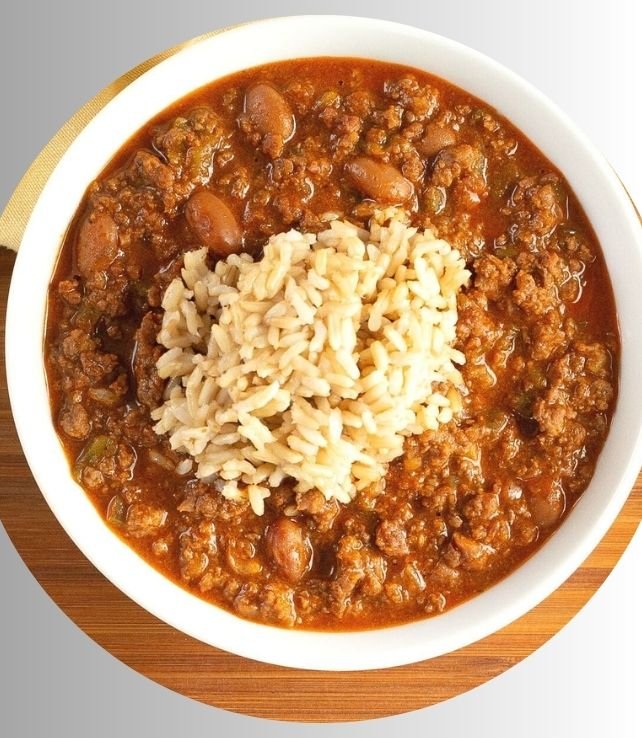
You know that specific feeling of a meal that is both deeply satisfying and uniquely tied to a place? For many, that feeling is a bowl of Zippy’s Chili. It is more than a dish in Hawaii; it is a culinary landmark.
I first tasted it after a long flight to Oahu, the humidity wrapping around me like a warm blanket. A local friend insisted we go directly to Zippy’s, bypassing the tourist spots. That first spoonful was a revelation—a rich, savory, and slightly sweet chili unlike any I had experienced on the mainland. It was a perfect, comforting introduction to the islands’ local food culture.
This recipe is my attempt to capture that experience in your own kitchen. It is a detailed guide, born from my professional background in nutrition and culinary history, and tested repeatedly to ensure you can replicate that iconic flavor. We will cover everything from the science of browning meat to the cultural significance of Portuguese sausage.
Why I Love This Chili Recipe
This particular recipe stands apart for its balanced complexity. It is not merely a spicy ground beef concoction. The inclusion of Portuguese sausage introduces a smoky, garlicky depth, while a specific blend of spices creates a fragrant, layered profile that is robust without being overly fiery.
From a nutritional perspective, when prepared with attention to ingredient quality, it provides a substantial source of protein and fiber. The use of beans and tomatoes contributes essential vitamins and minerals, making it a well-rounded one-pot meal. Its versatility is another key strength; it can be a quick weeknight dinner or the centerpiece of a gathering.
The Story of Zippy’s Chili
To understand this chili is to understand a piece of modern Hawaiian history. Zippy’s was founded in 1966, a time when Hawaii’s local cuisine was solidifying its identity—a fusion of American, Japanese, Chinese, Portuguese, and Filipino influences. The restaurant’s chili became an instant staple, a dish that reflected this multicultural tapestry.
It was not designed to be a traditional Texan or Cincinnati-style chili. Instead, it carved its own niche. The use of Portuguese sausage, or linguiça, is a direct nod to the Portuguese immigrants who came to Hawaii to work on sugar plantations, bringing their cured meat traditions with them. This chili is a testament to local innovation, a dish that could only have been born in the Hawaiian islands.
Ingredients You’ll Need
Success with this recipe hinges on the quality and combination of its components. Each element plays a specific role in building the final flavor.
Core Ingredients Breakdown
Let’s analyze the key players. Understanding why each ingredient is here will empower you to make intelligent substitutions if necessary.
Meats: The Foundation
The dual-meat system is non-negotiable for an authentic taste.
- Ground Beef (80/20 blend): The fat content is crucial. Leaner blends will result in a less rich and drier chili. The fat renders out during cooking, carrying flavor and contributing to a luxurious mouthfeel.
- Portuguese Sausage (Linguiça): This is the signature ingredient. It is a smoked sausage seasoned with garlic, paprika, and spices. If you cannot find it, a good quality Spanish chorizo (not the raw, Mexican kind) or even a smoked kielbasa can serve as a passable, though not identical, substitute.
Aromatics: The Flavor Base
These vegetables form the aromatic foundation, or soffritto, that underpins the entire dish.
- Yellow Onion & Garlic: They provide a sweet, pungent base. I recommend a fine dice to ensure they melt into the sauce seamlessly.
- Celery & Green Bell Pepper: These add a subtle, fresh bitterness and vegetal depth that balances the richness of the meats. They also contribute to the overall texture.
Spices: The Soul of the Dish
The spice blend is simple but precise. Toasting them is a step you should not skip.
- Chili Powder: Use a standard American-style blend, which is typically a mixture of ground dried chilies, cumin, garlic powder, and oregano. For a deeper flavor, consider a combination of ancho and guajillo chili powders.
- Cumin: This provides an earthy, warm, and slightly citrusy note that is fundamental to most chili recipes.
- Oregano: Use dried oregano, rubbing it between your palms as you add it to wake up the volatile oils. It offers a subtle, aromatic bitterness.
Liquids and Sauces: Building the Body
- Tomato Sauce & Diced Tomatoes: The tomato sauce creates a smooth, thick base, while the diced tomatoes provide pleasant textural variation. Using fire-roasted diced tomatoes can add a subtle smoky complexity.
- Beef Broth: This enhances the savory, umami character of the meat. A low-sodium broth is best, allowing you to control the final salt level.
- Water: It seems simple, but it is essential for achieving the correct consistency and ensuring the chili can simmer long enough for the flavors to meld without becoming too thick.
Beans and Finishers
- Red Kidney Beans: They hold their shape well during long cooking and provide a creamy contrast to the savory sauce. Always drain and rinse canned beans to remove the excess sodium and starchy liquid.
- Mayonnaise: This is a unique and often debated finishing touch. A small dollop stirred in at the end, or served on the side, adds a cooling creaminess and a slight tang that cuts through the richness. It is a common practice in Hawaii and Japan for dishes like curry and chili.
How to Make Zippys Chili Recipe
Follow these steps methodically. Rushing the initial stages will compromise the final depth of flavor.
Recipe Details
- Prep Time: 20 minutes
- Cook Time: 1 hour 30 minutes
- Servings: 8
- Course: Main Course
- Cuisine: Hawaiian-American
- Diet: Contains Meat, Dairy (optional)
Ingredients
- 1 tablespoon neutral oil (like avocado or canola)
- 1 large yellow onion, finely diced
- 3 celery stalks, finely diced
- 1 green bell pepper, finely diced
- 4 cloves garlic, minced
- 1 pound ground beef (80/20)
- 1/2 pound Portuguese sausage, casing removed, crumbled or diced
- 2 tablespoons chili powder
- 1 tablespoon ground cumin
- 1 teaspoon dried oregano
- 1 teaspoon salt (plus more to taste)
- 1/2 teaspoon black pepper
- 1 (15 oz) can tomato sauce
- 1 (15 oz) can diced tomatoes, undrained
- 2 cups beef broth
- 1 cup water
- 2 (15 oz) cans red kidney beans, drained and rinsed
- Mayonnaise, for serving (optional)
- Cooked white rice, for serving
Instructions
- Heat the oil in a large, heavy-bottomed pot or Dutch oven over medium heat. Add the diced onion, celery, and bell pepper. Cook, stirring occasionally, until the vegetables have softened and the onion is translucent, about 7-10 minutes. Add the minced garlic and cook for another minute until fragrant.
- Increase the heat to medium-high. Add the ground beef and Portuguese sausage to the pot. Use a wooden spoon to break up the meat, cooking until it is no longer pink and is nicely browned, about 8-10 minutes. Do not drain the excess fat; it is packed with flavor.
- Add the chili powder, cumin, oregano, salt, and black pepper directly onto the meat. Stir constantly for 1-2 minutes until the spices are toasted and very fragrant. This step deepens their flavor significantly.
- Pour in the tomato sauce, diced tomatoes, beef broth, and water. Stir well to combine, scraping any browned bits from the bottom of the pot. Bring the mixture to a boil.
- Once boiling, reduce the heat to low, cover the pot with a lid slightly ajar, and let it simmer gently for at least 1 hour, stirring occasionally. The longer it simmers (up to 2 hours), the more the flavors will develop.
- About 15 minutes before serving, stir in the drained and rinsed kidney beans. Let them heat through. Taste and adjust seasoning with more salt if needed.
- Serve hot over a bed of fluffy white rice. For the authentic experience, add a small spoonful of mayonnaise on top or on the side.
Nutrition
- Calories: 415 kcal
- Protein: 25 g
- Fat: 24 g
- Carbohydrates: 25 g
- Sugar: 7 g
- Fiber: 8 g
- Sodium: 980 mg
- Cholesterol: 70 mg
Cooking Method
This recipe uses the stovetop simmer method. This traditional approach allows for gradual flavor development and gives you full control over the cooking process, letting you adjust the consistency and seasoning as you go.
Tools Needed
- Large Dutch Oven or Heavy-Bottomed Pot
- Wooden Spoon or Spatula
- Sharp Chef’s Knife
- Cutting Board
- Measuring Spoons and Cups
- Can Opener
Using the Instant Pot to Make Zippy’s Chili
For a faster result, a pressure cooker is an excellent tool. The method changes, but the goal remains the same.
Use the “Sauté” function to cook the vegetables and brown the meats, following steps 1 through 3 from the main recipe. After toasting the spices, add all remaining ingredients except for the kidney beans and mayonnaise. Secure the lid, set the valve to “Sealing,” and cook on High Pressure for 15 minutes.
Allow for a Natural Pressure Release for 10 minutes, then manually release any remaining pressure. Stir in the kidney beans and let the residual heat warm them through. The result is a deeply flavored chili in a fraction of the time, though some argue the stovetop method allows for a more nuanced reduction.
Nutritional Breakdown
As a dietitian, I analyze meals for their macro and micronutrient balance. This dish, when portioned correctly, offers a solid nutritional profile.
The ground beef and Portuguese sausage are primary sources of high-quality protein, essential for muscle repair and satiety. The beans contribute additional plant-based protein and are an excellent source of dietary fiber, which supports digestive health and helps regulate blood sugar levels.
The tomatoes provide lycopene, an antioxidant, and Vitamin C. The vegetables add vitamins A and K, along with potassium. The fat content, while notable, comes from the meats and is integral to the dish’s flavor and mouthfeel. To manage this, you can use a leaner beef blend, though the final texture will be slightly less rich.
Dietary Adaptations
This recipe is adaptable to various dietary needs without sacrificing its core character.
Gluten-Free
This recipe is naturally gluten-free. Always double-check the labels on your beef broth and sausage, as some brands may use additives containing gluten.
Dairy-Free
Simply omit the mayonnaise topping or use a vegan mayonnaise alternative. The main body of the chili contains no dairy.
Lower Sodium
Use no-salt-added tomato products, low-sodium beef broth, and reduce or omit the added salt. You can rely more heavily on the spices and the inherent saltiness of the Portuguese sausage for flavor.
Plant-Based / Vegan Version
This requires more significant changes but is entirely possible. Replace the ground beef with a plant-based ground crumble and the Portuguese sausage with a smoked vegan sausage. Use vegetable broth instead of beef broth. The cooking method remains largely the same, though you may need to reduce the simmering time since the plant-based proteins do not require the same tenderizing process.
My Expert Tips Section
After many test batches, these are the insights that will elevate your results from good to exceptional.
- Do Not Drain the Meat Fat: The rendered fat from browning the beef and sausage is a flavor vehicle. It carries the toasted spice flavors and contributes to a richer, more unctuous sauce.
- Toast Your Spices: Adding the chili powder and cumin directly to the hot meat and fat for a minute or two before adding liquids unlocks their essential oils and creates a deeper, more complex flavor base.
- Low and Slow Simmer: A gentle, long simmer is non-negotiable. It allows the flavors to marry and the textures to soften and meld together. Rushing this step will result in a chili that tastes of individual ingredients, not a cohesive dish.
- Bean Timing is Everything: Add canned beans only in the last 15-20 minutes of cooking. If added too early, they will become mushy and fall apart.
- Taste and Adjust at the End: Seasoning is a process, not a single step. Always taste your chili right before serving and adjust the salt and pepper as needed.
Serve Your Chili the Hawaii/Japanese Way: Chili Rice
The most traditional way to enjoy this dish is as “Chili Rice.” This involves serving a generous ladle of the hot chili over a bed of steamed white rice. The rice soaks up the flavorful sauce and provides a neutral, starchy base that complements the savory, spiced meat.
The optional mayonnaise is a key part of this presentation. A small dollop on top melts slightly into the hot chili, adding a creamy, tangy contrast that balances the richness. It may seem unusual at first, but it is a culinary practice worth trying at least once for the full experience.
Storage and Reheating Instructions
This chili stores and reheats beautifully, often tasting even better the next day as the flavors continue to develop.
Allow the chili to cool completely before transferring it to an airtight container. It can be refrigerated for up to 4 days. For freezing, portion it into freezer-safe containers or bags, leaving some headspace for expansion. It will keep for up to 3 months. Thaw overnight in the refrigerator before reheating.
Reheat gently on the stovetop over medium-low heat, stirring occasionally. If it has thickened too much, add a small splash of water or broth to reach your desired consistency.
Frequently Asked Questions
What is Zippy’s Chili Recipe?
It is a copycat recipe for the iconic chili served at Zippy’s restaurants in Hawaii. It is characterized by a blend of ground beef and Portuguese sausage, a specific mix of spices, and a slightly sweet, savory tomato-based sauce, typically served over rice.
Why is Zippy’s Chili Recipe important?
It holds cultural significance as a beloved local comfort food in Hawaii. For those outside the islands, replicating it at home provides a tangible connection to Hawaiian food culture and a taste of a unique regional specialty.
How does Zippy’s Chili Recipe work?
The recipe works by building layers of flavor. It starts by sautéing aromatics, then browning meats to develop a fond (browned bits) in the pot. Toasting the spices in the rendered fat intensifies their flavor before liquids are added to deglaze and create the sauce. A long, slow simmer allows all these elements to meld into a cohesive, complex dish.
Can I make this chili ahead of time?
Yes, it is an excellent make-ahead meal. The flavors improve after resting for a day in the refrigerator. Simply cool it completely and store it in an airtight container for up to four days.
Can I freeze it?
Absolutely. This chili freezes very well. Portion it into freezer-safe containers, leaving about an inch of space for expansion. It will maintain its quality for up to three months.
Do I have to use mayonnaise?
No, the mayonnaise is a traditional serving suggestion, not a mandatory ingredient in the chili itself. The dish is complete without it, but trying it with a small amount provides the authentic local experience.
Can I make Zippy’s chili in a slow cooker?
You can. Follow the stovetop instructions to sauté the vegetables and brown the meats with the spices (Steps 1-3). Then, transfer everything to a slow cooker, add the remaining ingredients except the beans, and
