
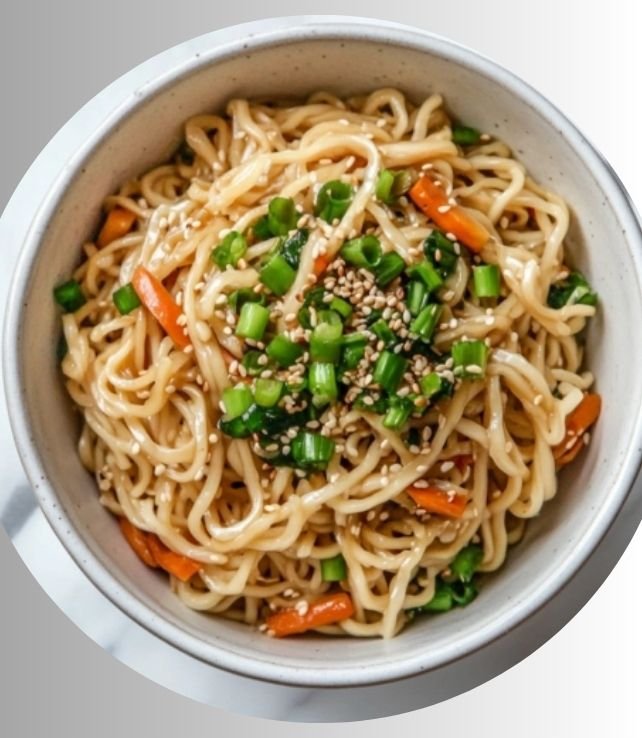
You have a pack of Trader Joe’s Squiggly Knife-Cut Noodles in your pantry, but the included sauce packet feels like a starting point, not a complete meal. I understand that hesitation. As a dietitian, I see many clients bring this product home, only to wonder how to transform it from a simple side into a balanced dinner.
This recipe provides a complete method for preparing these noodles, moving beyond the basic instructions. We will build a sauce from scratch that enhances the sesame and garlic notes, incorporate protein and vegetables for a full meal, and explore the nutritional science behind each component. The goal is to give you a reliable, repeatable template for a weeknight dinner that is both satisfying and nutritionally sound.
Understanding Your Ingredients: The Squiggly Noodle Foundation
Before we begin cooking, it is important to understand the components we are working with. This foundational knowledge allows for intelligent substitutions and a deeper appreciation for the final dish.
Deconstructing the Noodle Pack
Trader Joe’s Squiggly Knife-Cut Noodles are a fresh, refrigerated product. The “squiggly” shape is characteristic of dao xiao mian, or knife-cut noodles, a style from Shanxi, China. Unlike dried ramen or rice noodles, these are par-cooked and have a short shelf life.
The pack typically contains two main elements: the fresh noodles themselves and a separate seasoning packet. The noodles are made from wheat flour, water, and salt, giving them a chewy, substantial texture that stands up well to robust sauces. The seasoning packet is usually a concentrated paste of soy sauce, sesame, garlic, and other flavors.
The Noodle Texture and Cooking Science
The unique texture of these noodles comes from their high moisture content and the way they are cut. When you drop them into boiling water, the starches on the surface gelatinize quickly, creating a slick, chewy exterior while the core remains pleasantly firm. This is why the cook time is so brief; overcooking will make them mushy.
Core Recipe Components and Their Roles
Our recipe builds upon the base provided by Trader Joe’s. We will use the noodles and the packet, but we will augment them with fresh ingredients to create a more complex flavor profile and better nutritional balance.
The Aromatics: Garlic, Ginger, and Scallion
Fresh garlic and ginger are non-negotiable for this dish. They form the aromatic base that defines its character. I recommend using a microplane for the ginger to create a fine paste that disperses evenly throughout the sauce. For the garlic, a sharp knife and a good mincing technique will release the maximum amount of allicin, the compound responsible for its pungent flavor and health benefits.
Scallions, or green onions, are used in two ways. The white parts are cooked with the garlic and ginger to build a savory foundation. The green parts are reserved for a fresh, crisp garnish added at the end.
The Sauce: Beyond the Packet
The included sauce packet is a convenient umami base, but it is high in sodium. By combining it with other elements, we can control the saltiness and add depth. We will use low-sodium soy sauce, a touch of rice vinegar for acidity, and a small amount of sugar to balance the flavors. Toasted sesame oil is added off-heat at the end to preserve its delicate nutty flavor.
Protein and Vegetables for a Complete Meal
To make this a standalone dinner, we need protein and fiber. Firm tofu, pressed and pan-fried until golden, provides a excellent plant-based protein that absorbs the sauce well. For vegetables, I prefer a mix of shredded carrots and thinly sliced bell peppers for their color and crunch. They cook quickly, retaining a pleasant texture against the soft noodles.
How to Make Trader Joe’s Squiggly Noodles Recipe
This is the core recipe. Follow these steps for a reliably delicious result. The subsequent sections will provide the science, substitutions, and troubleshooting tips to master this dish.
Recipe Details
- Prep Time: 15 minutes
- Cook Time: 10 minutes
- Servings: 2
- Course: Main Course
- Cuisine: Asian-Inspired
- Diet: Vegetarian
Ingredients
- 1 pack Trader Joe’s Squiggly Knife-Cut Noodles
- 1 packet included seasoning
- 2 tablespoons neutral oil (like avocado or canola)
- 7 ounces firm tofu, pressed and cubed
- 3 cloves garlic, minced
- 1 tablespoon fresh ginger, grated
- 1 scallion, white and green parts separated and sliced
- 2 tablespoons low-sodium soy sauce
- 1 teaspoon rice vinegar
- 1 teaspoon sugar
- 1/2 cup shredded carrot
- 1/2 cup thinly sliced red bell pepper
- 1 teaspoon toasted sesame oil
- Optional garnish: chopped cilantro, sesame seeds, crushed red pepper
Instructions
- Bring a large pot of water to a rolling boil. This will be for the noodles.
- While the water heats, pat the pressed tofu dry and cube it. Heat 1 tablespoon of neutral oil in a large skillet or wok over medium-high heat. Add the tofu and cook, turning occasionally, until golden brown on all sides, about 5-7 minutes. Remove the tofu from the skillet and set aside.
- Add the remaining 1 tablespoon of oil to the same skillet. Add the minced garlic, grated ginger, and the white parts of the scallion. Stir constantly for about 60 seconds until fragrant, being careful not to burn the garlic.
- Add the shredded carrot and sliced bell pepper to the skillet. Stir-fry for 2-3 minutes until the vegetables are just tender but still crisp.
- By now, your water should be boiling. Add the squiggly noodles and cook for exactly 2-3 minutes, or as directed on the package. They cook very quickly. Drain the noodles thoroughly.
- While the noodles cook, combine the contents of the seasoning packet, low-sodium soy sauce, rice vinegar, and sugar in a small bowl. Stir until the sugar is dissolved.
- Return the cooked tofu to the skillet with the vegetables. Add the drained, hot noodles directly into the skillet.
- Pour the prepared sauce over everything. Use tongs or two forks to toss vigorously, ensuring the noodles, tofu, and vegetables are evenly coated in the sauce. Cook for another minute, tossing constantly, to allow the flavors to meld.
- Remove the skillet from the heat. Drizzle with the toasted sesame oil and add the green parts of the scallion. Toss one final time.
- Serve immediately in bowls, garnished with optional cilantro, sesame seeds, or crushed red pepper if desired.
Nutrition
- Calories: 485 kcal
- Protein: 18 g
- Fat: 22 g
- Carbohydrates: 55 g
- Sugar: 8 g
- Fiber: 4 g
- Sodium: 980 mg
- Cholesterol: 0 mg
Cooking Method
This recipe employs a combination of boiling and stir-frying, a technique common in many Asian noodle dishes. The noodles are boiled separately to achieve the perfect al dente texture without overcooking, while the sauce, protein, and vegetables are prepared in a skillet. The two components are combined at the end for a final toss over high heat. This method prevents the skillet from becoming crowded and steaming the ingredients, ensuring each element retains its ideal texture.
Tools Needed
- Large pot for boiling noodles
- Large skillet or wok
- Colander or strainer
- Cutting board and a sharp knife
- Measuring spoons
- Small bowl for mixing sauce
- Tongs or forks for tossing
- Microplane or fine grater for ginger
Nutritional Analysis and Health Considerations
From a dietary perspective, this recipe is designed to be a balanced meal. It provides a combination of complex carbohydrates from the noodles, plant-based protein from the tofu, and fiber and micronutrients from the vegetables.
Macronutrient Breakdown
The carbohydrates from the wheat noodles provide the primary energy source for this dish. The addition of vegetables like carrots and bell peppers introduces dietary fiber, which aids digestion and helps modulate blood sugar response. The protein from the tofu is crucial for satiety, helping you feel full for longer and supporting muscle maintenance. The fats, primarily from the cooking oil and sesame oil, are necessary for the absorption of fat-soluble vitamins and contribute to the feeling of satisfaction after eating.
Sodium Management
The most significant nutritional consideration is sodium content. The seasoning packet is the main contributor. Our recipe mitigates this by using low-sodium soy sauce and diluting the packet’s intensity with fresh ingredients and unseasoned vegetables. The final sodium value is a estimate; for stricter control, you could use only half the packet or omit it entirely in favor of a fully homemade sauce.
Dietary Adaptations and Customizations
This recipe is highly adaptable to meet various dietary needs and preferences. The template remains the same; you simply swap out specific components.
Vegan and Dairy-Free
The recipe as written is naturally vegan and dairy-free. Ensure the sugar you use is certified vegan, as some white sugar is processed with bone char.
Gluten-Free Adaptation
To make this dish gluten-free, you cannot use the standard Squiggly Noodles as they are wheat-based. Instead, use a gluten-free noodle like brown rice noodles or sweet potato glass noodles. You must also replace the soy sauce with tamari or a certified gluten-free soy sauce. The seasoning packet contains wheat, so it must be omitted. Create your own sauce using tamari, rice vinegar, sugar, and a teaspoon of sesame paste or tahini to replicate the creaminess.
Protein Variations
Tofu is an excellent option, but other proteins work well. For a chicken version, use 6 ounces of thinly sliced chicken breast, stir-frying it until cooked through before setting it aside. For a shrimp version, use peeled raw shrimp and add them in the last 2-3 minutes of cooking the vegetables. For a completely pantry-based meal, a can of rinsed and drained chickpeas can be stirred in with the sauce.
Vegetable Swaps
The vegetable selection is flexible. Broccoli florets, snap peas, sliced mushrooms, or baby corn are all excellent choices. Adjust the stir-fry time accordingly; harder vegetables like broccoli may need a minute or two longer, while tender peas need less.
The Cultural and Historical Context of Knife-Cut Noodles
While this is a modern, supermarket-friendly recipe, its inspiration comes from a traditional Chinese technique. Dao xiao mian, which translates to “knife-shaved noodles,” originates from Shanxi province, a region renowned for its noodle culture.
The traditional method involves holding a block of firm dough in one hand and using a special curved knife to shave thin, irregular strips directly into a pot of boiling water. This technique results in noodles that are chewy, slightly thick in the middle, and thin on the edges, perfect for holding sauces. Trader Joe’s Squiggly Noodles are a machine-made interpretation of this handmade classic, capturing the distinctive uneven, squiggly shape that defines the style.
Common Mistakes and How to Avoid Them
After testing this recipe numerous times, I have identified a few common pitfalls that can affect the final outcome.
Overcooking the Noodles
This is the most frequent error. Because the noodles are fresh and par-cooked, they require only a brief boil. Set a timer for 2 minutes as soon as you add them to the water. Taste one at the 2-minute mark. It should be tender but still have a bite. Drain them immediately after cooking.
Crowding the Skillet
If you add too many ingredients to the skillet at once, the temperature drops, and the vegetables and tofu will steam instead of fry. This results in soft, less flavorful components. Cook the tofu in a single layer and remove it before cooking the aromatics and vegetables.
Adding Sesame Oil Too Early
Toasted sesame oil has a low smoke point and a delicate flavor that is destroyed by high heat. It should always be used as a finishing oil, drizzled over the dish after it has been removed from the heat. This preserves its aromatic qualities.
Not Tossing Vigorously Enough
The final step of combining the noodles, sauce, and other ingredients is critical. Use tongs to lift, separate, and toss the noodles repeatedly. This ensures every strand is coated and the flavors are distributed evenly.
Serving Suggestions and Storage Instructions
This dish is best served immediately, straight from the skillet. The texture of the noodles is at its peak when hot.
Pairing Ideas
For a larger meal, these noodles pair well with a simple side soup, like a clear broth with wakame, or a light cucumber salad dressed with rice vinegar and a pinch of salt. The fresh, acidic notes of the salad provide a nice contrast to the rich, savory noodles.
Storing and Reheating Leftovers
Leftovers can be stored in an airtight container in the refrigerator for up to two days. The noodles will absorb the sauce and soften. To reheat, add a splash of water to a skillet over medium heat and stir the noodles until warmed through. Microwaving is possible but will result in a softer, less distinct texture.
Frequently Asked Questions
Can I make this recipe without the seasoning packet?
Yes, you can omit the packet. To replace it, increase the low-sodium soy sauce to 3 tablespoons, add an extra teaspoon of sugar, and include one tablespoon of tahini or sesame paste to mimic the packet’s creamy, nutty element.
Are Trader Joe’s Squiggly Noodles vegan?
According to the ingredient list on the package, the noodles and seasoning packet do not contain any obvious animal products, making them suitable for a vegan diet. However, always check the packaging at the time of purchase, as formulations can change.
My noodles turned out sticky. What did I do wrong?
Sticky noodles are typically caused by insufficient water for boiling or not draining them quickly enough after cooking. Use a large pot with plenty of boiling water, and drain the noodles immediately once they are done. A quick rinse with warm water after draining can also help remove excess surface starch, though this is not traditional.
What is the best way to press tofu for this recipe?
Place the block of tofu on a plate lined with paper towels or a clean kitchen towel. Place another layer of towels on top, then a heavy object like a cast-iron skillet or a few heavy books on top. Let it press for 15-30 minutes. This removes excess water, allowing the tofu to brown properly instead of steaming.
Can I use a different type of noodle?
You can use other fresh Asian wheat noodles, such as udon or lo mein. Dried noodles like linguine or spaghetti can also work in a pinch, but the texture and cooking time will be different. Follow the package instructions for the best results.
How can I make the dish spicier?
For more heat, add 1-2 teaspoons of chili crisp or a tablespoon of gochujang (Korean chili paste) to the sauce mixture. You can also stir in crushed red pepper flakes when you cook the garlic and ginger.
Is this recipe freezer-friendly?
I do not recommend freezing this dish. The texture of the fresh noodles and vegetables will become mushy and watery upon thawing and reheating. It is best enjoyed fresh or stored in the refrigerator for a short period.
