
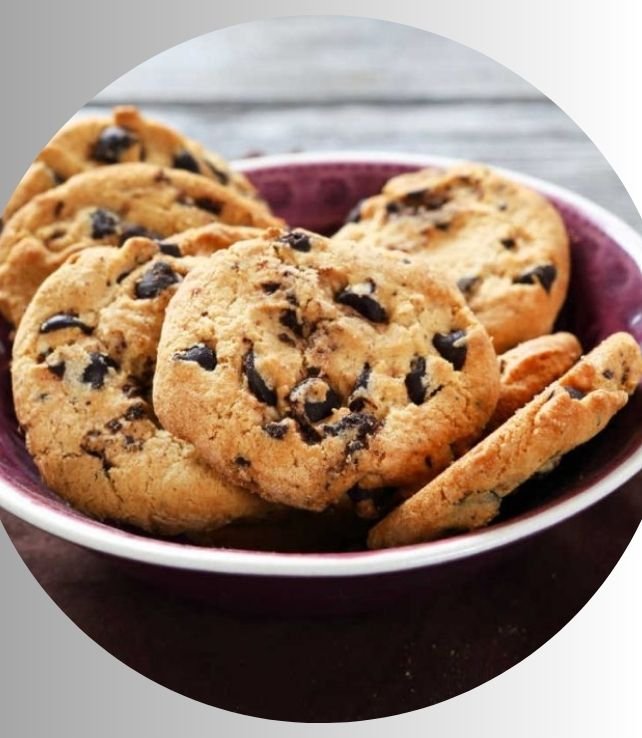
You have a bag of chocolate chips in the pantry and a desire for something warm from the oven, but the classic recipe feels overdone. I understand that completely. For years, I cycled through various formulas, searching for one that delivered a consistent texture and rich flavor without being overly complicated.
My search ended when I decided to deconstruct and refine the approach often associated with a popular grocery chain’s style. This recipe is the result of that process, a methodical guide to creating a cookie that balances a crisp edge with a soft, chewy center. It is a straightforward formula that yields reliable results, focusing on technique as much as ingredient quality.
This guide provides the complete recipe upfront, followed by a detailed analysis of the ingredients, the science behind the methods, and solutions for common baking challenges. Let’s begin with the formula itself.
How to Make Trader Joe’s Chocolate Chip Cookie Recipe
This section contains the complete recipe with precise measurements and steps. For a deeper understanding of why each step is important, refer to the detailed breakdowns in the subsequent sections of this article.
Recipe Details
- Prep Time: 15 minutes
- Cook Time: 10-12 minutes
- Servings: 24 cookies
- Course: Dessert
- Cuisine: American
- Diet: Vegetarian
Ingredients
- 2 ¼ cups all-purpose flour
- 1 teaspoon baking soda
- 1 teaspoon fine salt
- 1 cup unsalted butter, softened
- ¾ cup granulated sugar
- ¾ cup packed brown sugar
- 2 large eggs
- 2 teaspoons vanilla extract
- 2 cups semi-sweet chocolate chips
- 1 cup chopped walnuts or pecans (optional)
Instructions
- Preheat your oven to 375°F (190°C).
- In a medium bowl, combine the flour, baking soda, and salt. Whisk these dry ingredients together to ensure even distribution.
- In a separate, larger bowl, use a mixer to cream the softened butter with the granulated sugar and brown sugar. Continue for about 2-3 minutes until the mixture is light and fluffy.
- Add the eggs one at a time to the creamed butter mixer, beating well after each addition. Mix in the vanilla extract.
- Gradually add the dry ingredients to the wet mixture, mixing on low speed until just combined. Be careful not to overmix.
- Use a spoon or spatula to scrape the sides of the bowl. Fold in the chocolate chips and nuts, if using.
- Drop rounded tablespoons of dough onto an ungreased baking sheet, spacing them about 2 inches apart.
- Bake for 9 to 11 minutes, or until the edges are golden brown and the centers appear set.
- Remove the sheet from the oven and let the cookies rest on it for 2 minutes before transferring them to a wire rack to cool completely.
Nutrition
- Calories: 240 kcal
- Protein: 3 g
- Fat: 12 g
- Carbohydrates: 32 g
- Sugar: 22 g
- Fiber: 1 g
- Sodium: 180 mg
- Cholesterol: 35 mg
Cooking Method
The primary method used is baking. The process involves creaming fat and sugar, incorporating eggs for structure, carefully blending dry and wet components, and finally, using dry heat in an oven to set the structure and create browning.
Tools Needed
- Mixing bowls (one large, one medium)
- Electric mixer or sturdy whisk
- Measuring cups and spoons
- Baking sheet
- Wire rack
- Spatula or large spoon
Ingredient Analysis and Selection
Each component in this formula plays a specific role. Understanding these roles allows you to make informed substitutions and troubleshoot any issues that arise during preparation.
Flour: The Structural Foundation
All-purpose flour provides the backbone of the cookie. The proteins in it, glutenin and gliadin, combine with water to form gluten. Too much gluten development creates a tough cookie, which is why we mix the dough only until the ingredients are just combined. For a denser, chewier result, you could use bread flour with its higher protein content. For a gluten-free version, a 1:1 gluten-free flour blend typically works well, though the texture may be slightly more crumbly.
Fats: Butter for Flavor and Texture
Using softened butter is non-negotiable for the correct texture. At room temperature, butter can trap air during the creaming process, which helps the cookies rise. The milk solids in butter also contribute to flavor and aid in browning. If you use melted butter, the cookies will spread more and have a denser, chewier consistency. For a dairy-free alternative, refined coconut oil or a plant-based butter stick can be used in a 1:1 ratio.
Sugars: Granulated and Brown for Balance
This recipe uses a combination of white and brown sugar for a reason. Granulated sugar promotes spreading and crispness. Brown sugar, which contains molasses, adds moisture, acidity, and a deeper, caramel-like flavor. The moisture in brown sugar interacts with the baking soda to produce carbon dioxide, contributing to leavening. The type of brown sugar matters; light brown sugar offers a subtle molasses note, while dark brown sugar provides a more intense flavor and a softer final product.
Leavening: The Role of Baking Soda
Baking soda, or sodium bicarbonate, is the primary leavening agent. It requires an acid and moisture to activate. In this recipe, the acid comes from the brown sugar. When the dough heats in the oven, the baking soda reacts, releasing carbon dioxide gas bubbles that cause the cookie to rise. This is why the combination of brown sugar and baking soda is so effective. Using baking powder, which contains its own acid, would result in a different texture and taste profile.
Chocolate Chips: The Defining Element
The choice of chocolate chip significantly influences the final taste. Semi-sweet chips are standard, providing a balance between sweet and bitter. For a more intense chocolate flavor, consider chopping a bar of high-quality dark chocolate instead of using pre-formed chips. The irregular pieces create pockets of melted chocolate. Milk chocolate chips will make the cookies sweeter, while white chocolate chips offer a creamier, vanilla-forward note.
Nutritional Breakdown
From a dietary perspective, it is helpful to understand what you are consuming. A single cookie provides a quick source of energy primarily from carbohydrates and fats.
The sugars, both granulated and brown, are simple carbohydrates that the body can rapidly convert to energy. The fat content, largely from the butter and chocolate, contributes to satiety and carries fat-soluble flavors. The eggs and a small amount from the flour and nuts provide protein, which is essential for tissue repair and muscle maintenance.
The fiber content is modest, coming mainly from the flour and any added nuts. To increase fiber, you can replace half a cup of all-purpose flour with whole wheat flour or add oats. For a lower-sugar version, reduce the granulated and brown sugar by a quarter cup each, though this will also affect spread and texture.
Dietary Adaptations
This classic formula can be modified to suit various dietary needs without sacrificing quality.
Gluten-Free Version
Replace the all-purpose flour with a high-quality 1:1 gluten-free flour blend that includes xanthan gum. The texture will be slightly more delicate and may be a bit sandier, but the flavor will remain excellent.
Vegan Version
Use plant-based butter sticks and a vegan egg replacer equivalent to two eggs. For the chocolate chips, ensure they are dairy-free. The creaming method will work similarly, though the cookies may spread slightly less depending on the egg substitute used.
Lower-Sugar Version
Reduce both the granulated and brown sugar to ½ cup each. You can also use a sugar substitute designed for baking, but follow the manufacturer’s conversion guidelines as they are not always a 1:1 swap.
Cultural and Historical Context
The chocolate chip cookie is a uniquely American invention, credited to Ruth Wakefield in the 1930s. The story goes that she ran out of baker’s chocolate for her Butter Drop Do cookies and substituted broken pieces of a Nestlé semi-sweet chocolate bar, expecting them to melt. Instead, the pieces held their shape, creating the first “Toll House Cookie.”
This recipe, and the style associated with Trader Joe’s, sits within this tradition. It represents a home-style, accessible approach to baking that prioritizes a soft and chewy texture, a characteristic that became particularly popular in the latter half of the 20th century. It is a dessert designed for sharing and convenience, reflecting modern home baking trends.
Common Mistakes and Expert Tips
Avoiding these common errors will significantly improve your results.
Incorrect Butter Temperature
Butter that is too cold will not cream properly with the sugar, leading to dense cookies. Butter that is melted will cause excessive spreading. Softened butter should yield slightly to pressure but still hold its shape.
Overmixing the Dough
Once the flour is added, mix only until the dry streaks disappear. Overmixing develops gluten, resulting in a tough, cake-like cookie rather than a tender, chewy one.
Using the Wrong Baking Sheet
Dark, non-stick sheets absorb more heat and can cause the bottoms to burn before the centers are done. Light-colored aluminum sheets are ideal for even browning. If you only have dark sheets, reduce the oven temperature by 25 degrees.
Skipping the Cooling Rack
Letting the cookies rest on the hot baking sheet for a few minutes after baking allows them to finish setting up. Moving them directly to a wire rack stops this process and can cause them to break. The rack then allows air to circulate, preventing the bottoms from becoming soggy.
Serving, Pairing, and Storage
These cookies are versatile. Serve them warm with a glass of milk for a classic combination. For an adult pairing, try them with a cup of black coffee, where the bitterness complements the sweetness, or a glass of port.
For storage, keep them in an airtight container at room temperature for up to 5 days. To maintain softness, you can add a piece of bread to the container; the cookies will absorb moisture from the bread. The dough can be portioned and frozen on a sheet, then transferred to a freezer bag for up to 3 months. Bake frozen dough directly, adding 1-2 minutes to the baking time.
Related Trader Joe’s Products and Recipes
If you enjoy this baking project, you might also appreciate other products and simple recipes that follow a similar philosophy of accessible quality.
Their Double Chocolate Muffins offer a rich, fudgy alternative for chocolate lovers. For a frozen treat, their Brownie Coffee Ice Cream Sandwiches combine chewy brownies with coffee ice cream. Products like their Cinnamon Rolls provide a convenient way to enjoy a warm, baked good with minimal effort. For a different kind of snack, their novelty crackers, such as the Dunkers, are designed for pairing with dips and cheeses.
Beyond store-bought items, you can apply the techniques from this cookie recipe to other baked goods. A simple banana cake is an excellent way to use overripe fruit, and the question of whether a banana is a berry is a fascinating botanical tangent—it is technically a berry, while a strawberry is not.
Frequently Asked Questions
What is the key to a soft and chewy cookie?
The combination of brown sugar and careful baking is crucial. Brown sugar introduces more moisture into the dough. Removing the cookies from the oven just as the edges set and the centers still look slightly underdone ensures they remain soft as they cool on the sheet.
Can I chill the dough before baking?
Yes, chilling the dough for at least 30 minutes, or up to 72 hours, improves the flavor and texture. The flour hydrates more fully, and the chilled fat melts more slowly in the oven, reducing spread and creating a thicker, more flavorful cookie.
Why did my cookies spread too much?
This is typically caused by butter that is too warm or melted, an oven that is not hot enough, or a baking sheet that is still warm from a previous batch. Always use cool baking sheets and ensure your oven has fully reached the set temperature.
My cookies are too cakey. What happened?
A cakey texture usually results from using too much flour or overmixing the dough after adding the flour. Be sure to measure your flour correctly by spooning it into the measuring cup and leveling it off, rather than scooping directly from the bag.
Can I make this recipe without a mixer?
Absolutely. Use a sturdy wooden spoon and some elbow grease to cream the butter and sugars. It will take a bit longer, but the result can be just as good. This method also reduces the risk of overmixing when you add the flour.
Is there a way to make these cookies crispier?
For a crispier cookie, use a higher ratio of granulated sugar to brown sugar, bake them a minute or two longer until golden brown all over, and make the dough portions slightly smaller and flatter before baking.
