
Last Updated on April 9, 2026 by Emma
There is a specific sound that defines this meal for me. It is the sharp sizzle of thinly sliced beef hitting a scorching hot cast iron plate, a sound that promises a meal ready in minutes. I first encountered this in a busy food court, watching a chef assemble the components with practiced speed.
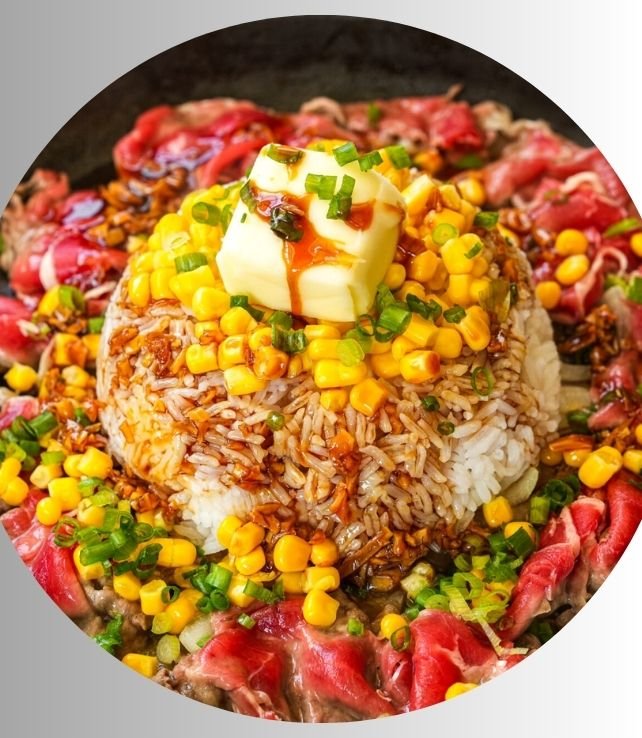
This Pepper Lunch recipe is my attempt to recreate that experience at home. It is a dish built on simplicity and high heat, where the cooking finishes at your table. The core concept is straightforward: a base of rice, a portion of protein, corn, and green onions, all brought together with a signature savory sauce that you mix in yourself.
This guide will provide the complete method for making Beef Pepper Rice, along with a deep analysis of its components. We will examine the nutritional profile, explore ingredient functions, and discuss adaptations for various dietary needs. The goal is to give you everything required to master this method.
What is Pepper Lunch?
Pepper Lunch is a Japanese teppanyaki-inspired restaurant chain known for its fast, DIY dining experience. Patrons are served a sizzling platter of raw or partially cooked ingredients, and the residual heat of the plate cooks the food further at the table. The most famous offering is the Beef Pepper Rice.
The dish is characterized by its use of a very hot plate, typically cast iron, which creates a Maillard reaction on the meat and rice. This reaction produces complex flavors and a desirable browned, slightly crisp texture. The experience is interactive and immediate, making it a distinct category of casual dining.
Ingredients You’ll Need
This section lists the components for the main dish and its signature sauce. Each ingredient has a specific role, which we will explore in greater detail later.
For the Beef Pepper Rice
- 200g ribeye steak, thinly sliced against the grain
- 2 cups cooked Japanese short-grain rice, day-old is preferable
- 1/2 cup corn kernels, frozen or canned
- 2 green onions, finely sliced
- 1 tbsp neutral oil (like canola or vegetable oil)
- 1 tbsp unsalted butter
- Freshly ground black pepper
For the Signature Sauce
- 4 tbsp soy sauce
- 2 tbsp honey
- 2 tbsp water
- 4 cloves garlic, minced
- 1 tsp freshly ground black pepper
How to Make Pepper Lunch Recipe
This process is about preparation and speed. Having all your components ready before you begin heating your cooking surface is critical for success.
Recipe Details
- Prep Time: 15 minutes
- Cook Time: 5 minutes
- Servings: 1
- Course: Main Course
- Cuisine: Japanese
- Diet: Omnivore
Ingredients
- 200g ribeye steak, thinly sliced
- 2 cups cooked Japanese short-grain rice
- 1/2 cup corn kernels
- 2 green onions, sliced
- 1 tbsp neutral oil
- 1 tbsp unsalted butter
- Freshly ground black pepper
- 4 tbsp soy sauce
- 2 tbsp honey
- 2 tbsp water
- 4 cloves garlic, minced
- 1 tsp freshly ground black pepper
Instructions
- Prepare all ingredients before you start cooking. Slice the beef, measure the corn, slice the green onions, and have your cooked rice ready. Combine all the sauce ingredients in a small bowl and whisk until the honey is fully dissolved.
- Place a cast iron skillet or griddle over high heat. Allow it to heat for 3-5 minutes until it is very hot. You should see wisps of smoke, indicating it is ready.
- Add the neutral oil to the hot skillet and swirl to coat the surface. Immediately add the cooked rice, forming a round mound in the center of the skillet.
- Arrange the thinly sliced beef in a single layer around the perimeter of the rice mound. Place the corn kernels and sliced green onions on top of the rice.
- Place the tablespoon of butter in the middle of the beef slices. It will melt quickly. Generously season the entire dish with freshly ground black pepper.
- Carefully pour the prepared sauce over the beef and the rice. You will hear a loud, immediate sizzle.
- Using a pair of tongs and a spoon or chopsticks, quickly mix all the components together—the beef, rice, corn, onions, and sauce—for about 1-2 minutes until the beef is cooked to your preference and everything is evenly coated and sizzling.
- Serve immediately directly from the hot skillet, with caution.
Nutrition
- Calories: 785 kcal
- Protein: 38 g
- Fat: 32 g
- Carbohydrates: 82 g
- Sugar: 24 g
- Fiber: 3 g
- Sodium: 1890 mg
- Cholesterol: 115 mg
Cooking Method
The primary cooking method is pan-searing or griddling on a very hot surface. This is a dry-heat method that uses conduction to transfer intense heat from the cast iron to the food. The high temperature is non-negotiable, as it is required to sear the meat quickly without overcooking it and to create the characteristic sizzle and browning on the rice.
Tools Needed
- A heavy cast iron skillet or griddle. This is the most important tool, as it retains and distributes heat effectively.
- Tongs for handling and mixing the hot ingredients.
- A spatula or set of chopsticks for assisting with the mixing.
- Mixing bowls for preparing the sauce and organizing ingredients.
Ingredient Analysis and Selection
Understanding the function of each component allows for intelligent substitutions and a deeper appreciation for the dish’s construction.
Choosing Your Meat
The ideal cut is well-marbled and can be sliced very thinly. Ribeye provides a balance of flavor and tenderness. Sirloin is a leaner alternative, but care must be taken not to overcook it. Flank steak or skirt steak can be used for a more robust, beefy flavor, but they should be sliced very thinly against the grain to ensure tenderness.
The thin slicing is crucial. It maximizes the surface area for browning while minimizing the cooking time, ensuring the protein remains tender. For a different approach, some variations use pre-cooked or ground meat, which changes the texture but simplifies the process.
The Role of Rice
Japanese short-grain rice is specified for its high starch content and sticky, chewy texture. When pressed against a hot surface, it develops a delightful crisp crust while the interior remains soft. Using day-old rice is beneficial because it has less surface moisture, which also promotes better browning and prevents the final dish from becoming mushy.
Deconstructing the Sauce
The sauce is a simple emulsion of salty, sweet, and aromatic elements. Soy sauce provides the foundational umami and salt. Honey offers sweetness and viscosity, helping the sauce cling to the rice and meat while also promoting caramelization. Water thins the sauce slightly for even distribution. Fresh garlic delivers a pungent aroma, and a significant amount of black pepper provides the dish’s namesake spice and warmth.
Butter and Aromatics
Butter is added at the end, just before mixing. It contributes rich flavor and aids in creating a glossy, cohesive sauce that coats every grain of rice. Green onions are used as a fresh, sharp garnish that cuts through the richness of the beef and butter. Corn adds a subtle sweetness and a pleasant textural contrast.
Nutritional Breakdown
As a meal, this recipe provides a balance of macronutrients. The beef is a significant source of high-quality protein, essential for muscle repair and satiety. It also provides heme iron, a form of iron that is more readily absorbed by the body compared to non-heme iron from plant sources.
The rice is the primary source of carbohydrates, supplying energy. The honey in the sauce contributes simple sugars, which provide a quick energy source but also increase the total sugar content. The fat content comes from the marbling in the beef, the added oil, and the butter. Using leaner cuts of meat or reducing the amount of butter can lower the fat content.
The sodium level is high, primarily from the soy sauce. For a lower-sodium version, use a reduced-sodium soy sauce or dilute regular soy sauce with more water. The dish is low in dietary fiber, which can be increased by serving it with a side of steamed vegetables.
Dietary Adaptations
This recipe is highly adaptable to meet various dietary requirements without sacrificing the core experience.
Gluten-Free Version
Replace standard soy sauce with a certified gluten-free tamari or coconut aminos. Ensure all other packaged ingredients, like pre-minced garlic, are verified gluten-free.
Lower-Sugar Version
Substitute the honey with a sugar-free alternative like monk fruit syrup or allulose. These alternatives will provide sweetness without the same metabolic impact, though the browning characteristics may differ slightly.
Dairy-Free Version
Omit the butter entirely or replace it with a plant-based butter alternative. The neutral oil provides enough fat to prevent sticking, so the butter is primarily for flavor.
Protein Variations
Chicken: Use thinly sliced chicken thigh for more flavor and moisture, or chicken breast for a leaner option. Ensure it is cooked thoroughly.
Salmon: Flake fresh, skinless salmon fillets and add them at the same stage as the beef. The cooking time will be similar.
Vegan: Replace the beef with a plant-based ground meat alternative or sliced seitan. Use vegan butter and ensure the soy sauce is a brand that aligns with your dietary preferences.
Common Mistakes and Expert Tips
Avoiding these common errors will significantly improve your results.
The Skillet is Not Hot Enough
This is the most frequent error. A lukewarm pan will stew the beef and make the rice gummy. Wait until you see light smoke before adding any ingredients. The violent sizzle upon contact is your goal.
Overcrowding the Pan
Arranging the ingredients as described—beef around the rice—allows for maximum surface contact with the hot metal. If you pile everything on top of each other, the ingredients will steam instead of sear.
Using Fresh, Wet Rice
Freshly cooked rice contains a high amount of steam and moisture. When it hits the hot skillet, it will become sticky and soft rather than developing a pleasant texture. Day-old, refrigerated rice is superior for this application.
Mixing Too Late
Do not wait for the beef to cook through before mixing. The process of mixing itself is part of the cooking. As soon as the sauce is added, begin combining everything to distribute heat and flavor evenly.
Serving, Pairing, and Storage
This is a complete meal in a single skillet, but it can be part of a larger spread. Serve it immediately in the hot skillet for the authentic experience, warning guests about the temperature.
A simple side of miso soup or a light, acidic cucumber salad can help balance the richness of the dish. Because of its quick-cook nature, it is best consumed immediately. Leftovers can be stored in an airtight container in the refrigerator for up to two days and reheated in a microwave or skillet, though the texture of the beef and rice will not be the same.
Frequently Asked Questions
What is the best cut of beef for this recipe?
Ribeye is ideal due to its fat marbling, which keeps the meat tender during the brief, high-heat cooking. Sirloin or flank steak are good alternatives if sliced very thinly against the grain.
Can I make this without a cast iron skillet?
A heavy-bottomed stainless steel pan can work, but cast iron is superior for its unmatched heat retention. A non-stick skillet is not recommended as it cannot achieve the necessary high temperature without damage.
Why is my beef tough and chewy?
This is usually caused by one of two issues: the skillet was not hot enough, leading to slow cooking and moisture loss, or the beef was not sliced thinly enough or against the grain.
How can I reduce the sodium in this dish?
Use a low-sodium soy sauce and consider reducing the amount by half, replacing the volume with water. You can also increase the proportion of black pepper and garlic to compensate for the reduced saltiness.
Is it safe to serve the beef this rare?
The high heat of the skillet sears the outside of the thinly sliced beef quickly. As you mix it for a minute or two, it continues to cook. For those who prefer their beef more well-done, simply mix for a longer duration until the desired doneness is reached.
Can I prepare any parts of this recipe ahead of time?
Yes. The sauce can be mixed and stored in the refrigerator for up to a week. The beef can be sliced and the vegetables can be prepped a day in advance. The rice should be cooked at least a few hours ahead and chilled.
What are other common toppings for Pepper Lunch?
Beyond corn and green onions, you can add sliced mushrooms, bean sprouts, or a sprinkle of shredded cheese, which will melt into the hot rice and meat.
