
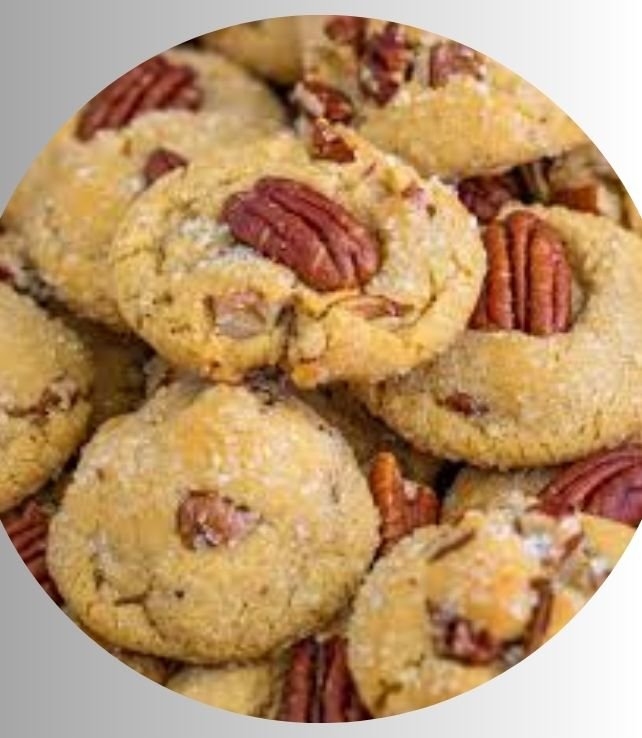
You need a cookie that can withstand a busy afternoon, a lunchbox, or a long storage time without becoming stale or crumbling. This is the practical problem that a good keeper cookie solves. The name itself suggests a recipe that holds up, a reliable staple in your baking repertoire.
I first encountered this particular formula in a well-used community cookbook from a local cafe, a book filled with recipes that were designed for volume and durability. The concept of a “peacekeeper” resonated with me, not just for the cookies’ long shelf life, but for their ability to bring a moment of calm and satisfaction. This is not a fussy, delicate confection; it is a substantial, fruit-and-nut filled cookie meant to sustain you.
This article provides the complete Peacekeeper Cookies recipe, followed by a detailed analysis of its ingredients, nutritional profile, and the science behind its method. You will learn how to adapt it for various dietary needs and avoid common baking errors to achieve a perfect result every time.
How to Make Peacekeeper Cookies Recipe
This section contains the complete, actionable recipe. I have tested this formula multiple times in my own kitchen, and the instructions reflect the techniques that yield the most consistent and desirable outcome. Read through all steps before you begin.
Recipe Details
- Prep Time: 20 minutes
- Cook Time: 12-15 minutes
- Servings: Approximately 36 cookies
- Course: Dessert, Snack
- Cuisine: International
- Diet: Vegetarian
Ingredients
- 225 g (1 cup) unsalted butter, softened
- 225 g (1 cup) light brown sugar, firmly packed
- 2 large eggs, at room temperature
- 1 tsp vanilla extract
- 300 g (2 ½ cups) all-purpose flour
- 1 tsp baking soda
- 1 tsp ground ginger
- ½ tsp salt
- 150 g (1 cup) raisins
- 100 g (1 cup) walnuts, chopped
- 75 g (½ cup) chopped dates
Instructions
- Preheat your oven to 350°F (175°C). This ensures a consistent temperature for even baking.
- Line a few baking trays with parchment paper. This prevents sticking and makes cleanup simple.
- In a large bowl, use a hand mixer or a wooden spoon to cream the softened butter and brown sugar together until the mixture is light and fluffy. This step incorporates air, which helps the cookies rise.
- Beat in the eggs one at a time, followed by the vanilla extract. Ensure each egg is fully incorporated before adding the next.
- In a separate bowl, whisk together the all-purpose flour, baking soda, ground ginger, and salt. This distributes the leavening agent and spices evenly throughout the dry mixture.
- Gradually add the dry ingredients to the wet ingredients, mixing on low speed or by hand until just combined. Overmixing at this stage will develop the gluten and make the cookies tough.
- Using a spatula or your hands, fold in the raisins, chopped walnuts, and chopped dates. The dough will be quite stiff.
- Take rounded tablespoons of the dough and roll them into balls. Place them on your prepared baking trays, leaving about 2 inches between each one to allow for spreading.
- Bake for 12 to 15 minutes, or until the edges are lightly golden and the centers appear set. The cookies will still be soft.
- Remove the trays from the oven and let the cookies rest on the tray for 5 minutes. Then, transfer them to a wire rack to cool completely. This stops the cooking process and allows them to firm up properly.
Nutrition
- Calories: 145 kcal
- Protein: 2 g
- Fat: 7 g
- Carbohydrates: 20 g
- Sugar: 12 g
- Fiber: 1 g
- Sodium: 75 mg
- Cholesterol: 25 mg
Cooking Method
The primary cooking method for these cookies is baking. The process relies on the creaming method, where fat and sugar are beaten together to create a light, airy structure. The heat of the oven causes the baking soda to react, producing carbon dioxide gas that makes the cookies rise and become tender.
Tools Needed
- Large mixing bowl
- Medium mixing bowl
- Hand mixer or wooden spoon
- Measuring cups and spoons
- Whisk
- Spatula
- A few baking trays
- Parchment paper
- Wire rack
Ingredient Analysis and Selection
Understanding the role of each component allows you to make informed substitutions and troubleshoot any issues that arise during preparation. Each ingredient contributes specific functional and flavor attributes to the final product.
Flour: The Structural Foundation
All-purpose flour provides the structure for these cookies. Its moderate protein content (typically 10-12%) creates just enough gluten when mixed with liquid to give the cookies a stable, cake-like crumb without making them chewy like bread. For a gluten-free adaptation, a 1:1 gluten-free flour blend can be used, though the texture may be slightly more crumbly.
Fats: Butter for Flavor and Texture
Butter is used for its unparalleled flavor and its role in creating a tender texture. When creamed with sugar, the fat crystals trap air, which expands during baking. The water content in butter also turns to steam, providing additional lift. For a dairy-free version, a plant-based butter alternative that is suitable for baking will work.
Sweeteners: Brown Sugar for Moisture and Depth
Light brown sugar is specified for a reason. It contains molasses, which contributes moisture, a subtle caramel flavor, and a slightly acidic pH that helps activate the baking soda. Using only white sugar would result in a crisper, thinner cookie.
The Dried Fruit and Nut Medley
The combination of raisins, chopped dates, and walnuts is classic. Raisins provide chewy sweetness and natural fruit sugars. Dates offer a deeper, caramel-like flavor and additional moistness. Walnuts contribute a pleasant bitterness, textural crunch, and healthy unsaturated fats. This mix can be customized based on preference or what is available.
Leavening and Spices
Baking soda is the sole leavening agent. It requires an acid to activate, which it finds in the brown sugar. Ground ginger adds a warm, slightly spicy note that complements the sweetness of the fruit without being overpowering. It is a subtle background flavor that enhances the overall complexity.
Nutritional Breakdown of Peacekeeper Cookies
From a dietary perspective, these cookies are an energy-dense food. The primary sources of calories are carbohydrates from the flour and sugars, and fats from the butter and walnuts.
The inclusion of walnuts and dried fruit adds micronutrients and fiber. Walnuts are a source of alpha-linolenic acid, an omega-3 fatty acid, and also provide some protein. The raisins and dates contribute iron, potassium, and dietary fiber, which aids digestion. However, the significant sugar content means these are best enjoyed in moderation as part of a balanced diet.
For those monitoring sugar intake, the sugar content can be reduced by using a lower-sugar dried fruit mix or decreasing the brown sugar quantity slightly, though this will alter the texture and spread of the cookie.
Dietary Adaptations and Variations
This recipe is highly adaptable. Here are practical modifications for common dietary requirements.
Gluten-Free Peacekeeper Cookies
Replace the 300g of all-purpose flour with a 300g blend of gluten-free flours. A blend that includes a binder like xanthan gum is ideal for replicating the structure that gluten provides. The baking time may need to be extended by 1-2 minutes.
Vegan Peacekeeper Cookies
Substitute the butter with an equal amount of vegan baking butter. Replace the eggs with a commercial egg replacer equivalent to two eggs, or use a flax egg (2 tablespoons of ground flaxseed mixed with 5 tablespoons of water, left to thicken for 5 minutes). Ensure your sugar is certified vegan, as some white sugars are processed with bone char.
Lower-Sugar Version
Reduce the brown sugar to 170g (¾ cup). You can also replace half of the raisins with a lower-sugar dried fruit like chopped apricots or dried cranberries (unsweetened). Be aware that this will make the dough drier and may result in a less tender cookie.
Cultural and Historical Context
Recipes like this one, often dubbed “keeper” cookies, have a long history in home baking. They are descendants of travel cakes and energy-dense biscuits that were designed to last for days or weeks without refrigeration. The high sugar and dried fruit content act as natural preservatives.
The specific name “Peacekeeper” seems to be a more modern invention, likely popularized through community cookbooks and cafes, such as the one referenced in the introduction. These establishments needed recipes that were reliable, produced in large quantities, and had a long shelf life for their display cases. The “peacekeeping” idea cleverly connects the cookie’s durability with the notion of providing a peaceful, satisfying break.
Common Mistakes and Expert Tips
Avoiding these common errors will ensure your cookies turn out perfectly every time.
Incorrect Butter Temperature
Using butter that is too cold will not cream properly with the sugar, resulting in a dense cookie. Using melted butter will cause the cookies to spread too much. The butter should be soft enough that your finger leaves an indent when pressed, but not greasy or melted.
Overmixing the Dough
Once the flour is added, mix only until the ingredients are combined. Overmixing develops gluten, leading to a tough, bread-like texture instead of a tender, crumbly one.
Overbaking
These cookies continue to cook on the hot baking tray after being removed from the oven. Take them out when the edges are just turning golden and the centers look slightly underdone. They will firm up as they cool on the wire rack.
Ignoring the Cooling Step
Transferring the cookies directly from the tray to a wire rack is not just for convenience. It stops the residual heat from the tray from continuing to cook the bottoms, preventing them from becoming too hard or dark.
Serving, Pairing, and Storage
Once cooled, these cookies are ready to be served. They pair exceptionally well with a cup of black tea or coffee, as the bitterness of the drink balances the sweetness of the fruit.
For storage, place the completely cooled cookies in an airtight container. They will keep at room temperature for up to one week. The high sugar content helps retain moisture. For longer storage, you can freeze the baked cookies for up to three months, or freeze the shaped dough balls and bake them directly from frozen, adding 1-2 minutes to the baking time.
The Science Behind the Recipe
The success of this formula hinges on a few key chemical reactions. The creaming of fat and sugar is a physical process that introduces tiny air bubbles into the dough. During baking, these bubbles expand from the heat.
Simultaneously, the baking soda (sodium bicarbonate) reacts with the acidic components in the brown sugar. This chemical reaction produces carbon dioxide gas, which further inflates the air bubbles, causing the cookie to rise and set into a light, porous structure. The proteins in the flour and eggs coagulate, and the starches gelatinize, solidifying this structure and giving the cookie its final form.
Frequently Asked Questions
What is the origin of the name “Peacekeeper Cookies”?
The name likely originates from the cookie’s long shelf life and satisfying nature, making it a reliable “keeper” that can “keep the peace” by providing a steady, durable snack. It is a name found in community cookbooks and cafe menus rather than having a single, traceable historical origin.
Can I use different types of dried fruit in this recipe?
Yes, the dried fruit mix is highly adaptable. You can maintain the total weight and substitute the raisins and dates with an equal amount of dried cranberries, chopped apricots, figs, or cherries. The texture and flavor profile will change accordingly.
Why did my cookies spread too much and become flat?
This is typically caused by butter that was too warm or melted, an oven that was not properly preheated, or using a baking tray that is too dark or thin. Ensuring your butter is just softened and using a light-colored, heavy-gauge baking tray can prevent this.
Can I make the dough ahead of time and bake it later?
Yes, you can prepare the dough, portion it into balls, and refrigerate it for up to 48 hours before baking. Chilling the dough will actually result in a slightly thicker cookie, as the fat solidifies and takes longer to melt in the oven.
Are these cookies suitable for freezing?
Both the baked cookies and the unbaked dough balls freeze very well. Freeze baked cookies in an airtight container. For dough, freeze the balls on a tray before transferring to a bag, then bake from frozen, adding a minute or two to the baking time.
How can I make these cookies crispier?
For a crispier texture, use all white sugar instead of brown sugar, as it contains less moisture. You can also bake them for a minute or two longer, but watch carefully to avoid burning. A thinner dough portion will also yield a crisper result.
What is the purpose of the ground ginger?
The ground ginger provides a subtle, warm spice note that complements the sweetness of the dried fruit without being dominant. It adds a layer of complexity to the flavor profile. If you prefer, it can be omitted or replaced with a similar amount of cinnamon.
