
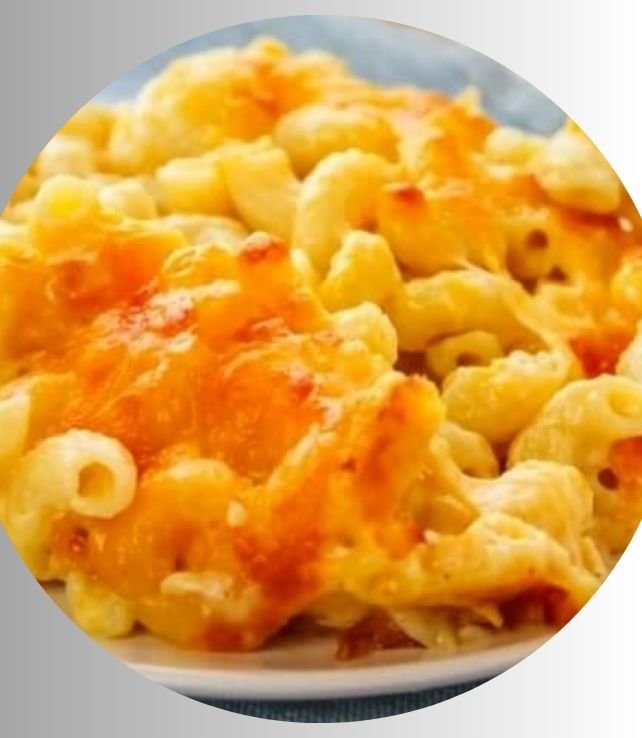
There is a specific texture and flavor that defines a classic baked macaroni and cheese, one that many packaged versions attempt but few homemade recipes truly capture. For years, I searched for a method that produced that distinct, creamy-yet-baked quality, the kind that forms a sturdy crust on top while remaining saucy underneath.
My search ended with Mueller’s Macaroni and Cheese Recipe. This particular approach, often found on the back of the Mueller’s elbow macaroni box or in community cookbooks, uses a straightforward technique that yields a consistent and deeply satisfying result. It is a recipe built on principles of home economics and practical kitchen science.
In this guide, I will walk you through the original formula, explain the purpose of each ingredient, and show you how to adapt it for various dietary needs without losing its essential character.
How to Make Mueller’s Macaroni And Cheese Recipe
This is the foundational recipe as it has been prepared for decades. The process involves creating a simple white sauce, or béchamel, which is then fortified with cheese to make a Mornay sauce. Combining this with the cooked pasta and baking it creates the final dish.
Recipe Details
- Prep Time: 20 minutes
- Cook Time: 30 minutes
- Servings: 6
- Course: Main Course, Side Dish
- Cuisine: American
- Diet: Vegetarian
Ingredients
- 8 ounces (approximately 2 cups) dry Mueller’s elbow macaroni
- 1/4 cup butter or margarine
- 1/4 cup all-purpose flour
- 1 teaspoon salt
- 1/2 teaspoon dry mustard
- 1/4 teaspoon black pepper
- 2 1/2 cups milk
- 3 cups shredded sharp cheddar cheese, divided
- Optional: 1/2 cup bread crumbs or crushed corn flakes for topping
Instructions
- Preheat your oven to 375 degrees Fahrenheit. Lightly grease a 2-quart casserole dish.
- Bring a large pot of salted water to a boil. Add the elbow macaroni and cook for 7-9 minutes, or until al dente. Drain the pasta and set it aside.
- While the pasta cooks, melt the butter in a medium saucepan over medium-high heat.
- Add the flour, salt, dry mustard, and pepper to the melted butter. Whisk continuously for about 1 minute to form a paste, cooking out the raw flour taste.
- Gradually pour in the milk while whisking constantly to prevent lumps from forming.
- Continue to cook the sauce, stirring frequently, until it thickens and becomes bubbly. This should take about 5-7 minutes.
- Remove the saucepan from the heat. Stir in 2 1/2 cups of the shredded cheddar cheese until it is fully melted and the sauce is smooth.
- Combine the cheese sauce with the drained macaroni in a large bowl, stirring until the pasta is evenly coated.
- Transfer the mixture to the prepared casserole dish. Sprinkle the remaining 1/2 cup of cheese evenly over the top. For a crunchy topping, mix this reserved cheese with bread crumbs before sprinkling.
- Bake for 20-25 minutes, or until the top is golden brown and the edges are bubbly.
- Let the dish stand for 5 minutes before serving.
Nutrition
- Calories: 485 kcal
- Protein: 22 g
- Fat: 26 g
- Carbohydrates: 39 g
- Sugar: 7 g
- Fiber: 2 g
- Sodium: 780 mg
- Cholesterol: 75 mg
Cooking Method
This recipe employs a combination of stovetop and oven cooking. The stovetop phase is for building the cheese sauce and par-cooking the pasta. The oven phase is for finishing the dish, which allows the flavors to meld, the sauce to set, and a desirable crust to form on top. This two-step method is key to achieving the correct texture.
Tools Needed
- Large pot for boiling pasta
- Medium saucepan for cheese sauce
- 2-quart casserole or baking dish
- Whisk
- Colander
- Measuring cups and spoons
- Grater for cheese, if using a block
Ingredient Analysis and Selection
Each component in this recipe has a specific functional and flavor-related role. Understanding these roles allows you to make informed substitutions and troubleshoot any issues that may arise.
Elbow Macaroni: The Structural Foundation
The choice of Mueller’s elbow macaroni is not arbitrary. Its short, curved tube shape is ideal for trapping the cheese sauce, ensuring a creamy bite every time. The shape provides a high surface-area-to-volume ratio, which means more sauce clings to the pasta. When cooked to an al dente state, it maintains structural integrity during the baking process, preventing the final dish from becoming mushy.
The Cheese Trio: Flavor, Melt, and Stability
The recipe specifies sharp cheddar, and this is for good reason. Sharp cheddar provides a pronounced, tangy flavor that stands up to the richness of the sauce. From a scientific perspective, cheese is an emulsion of fat, water, and protein. When heated, this emulsion can break, causing the fat to separate and create a greasy texture.
Using a cheese known for its good melting properties, like cheddar, and combining it with a starch-stabilized sauce helps prevent this. The proteins and fats in the cheese integrate smoothly into the béchamel base. Shredding your own cheese from a block is preferable, as pre-shredded cheeses are often coated with anti-caking agents like potato starch or cellulose, which can inhibit smooth melting.
The Sauce Base: Butter, Flour, and Milk
This combination creates a béchamel sauce, one of the five French “mother sauces.” The butter and flour are cooked together to form a roux. The purpose of the roux is twofold: it acts as a thickening agent and it coats the starch granules in the flour with fat, preventing them from forming lumps when liquid is added.
Using whole milk will yield the creamiest result, as its fat content contributes to a richer mouthfeel. The milk is heated with the roux, causing the starch granules to swell and gelatinize, which thickens the mixture into a smooth, velvety sauce.
Seasoning Agents: Salt, Pepper, and Dry Mustard
Salt and pepper are fundamental for enhancing the overall flavor profile. The dry mustard, however, plays a more nuanced role. It does not impart a strong mustard flavor. Instead, its sharp, acidic notes work to cut through the fat and richness of the cheese and butter, brightening the entire dish and making the cheese taste more pronounced.
Nutritional Breakdown
As a dish, macaroni and cheese is energy-dense, providing a significant amount of calories from its core macronutrients: carbohydrates, fat, and protein.
The primary source of carbohydrates is the pasta, which the body breaks down into glucose for energy. Using whole-wheat elbow macaroni can increase the fiber content, which aids in digestion and provides a more sustained energy release.
The fat content comes predominantly from the cheese, butter, and milk. Dietary fat is essential for hormone production, vitamin absorption, and cellular health. The protein is supplied by the dairy ingredients and the wheat in the pasta, which is necessary for muscle repair and immune function.
It is also a notable source of calcium and phosphorus, minerals vital for bone health. The sodium level is something to be mindful of, primarily originating from the added salt and the natural salt content of the cheese.
Dietary Adaptations
This classic recipe can be modified to suit various dietary restrictions while maintaining its essential character.
Gluten-Free Adaptation
To make this dish gluten-free, use a certified gluten-free elbow macaroni made from rice, corn, or quinoa. For the roux, substitute the all-purpose flour with a 1:1 gluten-free flour blend that contains a starch like tapioca or potato. These blends are designed to mimic the thickening power of wheat flour.
Dairy-Free and Vegan Adaptation
Replace the butter with a plant-based alternative like olive oil or vegan margarine. For the milk, an unsweetened, unflavored plant milk such as soy or oat milk works best due to its neutral flavor and creamy texture. The cheese can be replaced with a commercial vegan cheddar shreds that are designed to melt, or you can make a sauce from blended cashews, nutritional yeast, and vegetable broth.
Lower-Fat Version
You can reduce the fat content by using low-fat milk, reducing the amount of butter by half, and using a reduced-fat cheddar cheese. Be aware that reducing the fat in the cheese can impact its melting quality and may result in a less creamy sauce, as fat contributes significantly to mouthfeel.
Cultural and Historical Context
Macaroni and cheese has a much longer history in America than many realize. While often considered a quintessential American comfort food, its origins trace back to Europe. A predecessor dish, macaroni pie, was recorded in the influential 18th-century English cookbook “The Experienced English Housekeeper.”
Thomas Jefferson is famously credited with popularizing the dish in the United States after encountering it in Europe. He served a version of “macaroni pie” at a state dinner in 1802. However, the dish remained largely in the realm of the wealthy until the 20th century. The invention of packaged, dried elbow macaroni and processed cheese powder in the 1930s democratized the dish, making it an affordable and convenient staple for families during the Great Depression and World War II.
Recipes like Mueller’s, which rely on a from-scratch sauce with real cheese, represent a bridge between that convenience-food era and a more traditional, home-cooked approach. They preserve the culinary technique of sauce-making while utilizing a widely available, inexpensive pasta shape.
Common Mistakes and Expert Tips
Avoiding a few key errors will ensure your macaroni and cheese turns out perfectly every time.
Overcooking the Pasta
This is the most common error. The pasta will continue to cook in the oven. If you boil it until it is completely soft, it will become mushy and absorb too much of the sauce during baking, leading to a dry final product. Always cook the elbow macaroni to just al dente, where it is tender but still firm to the bite.
A Lumpy Sauce
A lumpy béchamel is typically the result of adding the milk too quickly or not whisking vigorously enough. Ensure your roux is smooth before you begin, and add the milk in a slow, steady stream while whisking constantly. If lumps do form, you can often salvage the sauce by straining it through a fine-mesh sieve.
Grainy or Oily Cheese Sauce
This occurs when the cheese emulsion breaks. To prevent this, always remove the sauce from the heat before adding the cheese. The residual heat is sufficient to melt it. Also, avoid using pre-shredded cheese with anti-caking coatings and do not boil the sauce after the cheese has been added.
Forgetting to Let it Rest
Serving the dish immediately from the oven will result in a soupy consistency. Allowing it to stand for 5-10 minutes gives the sauce time to set, making it easier to portion and improving the overall eating experience.
Serving, Pairing, and Storage
Mueller’s Macaroni and Cheese is a versatile dish that can serve as a hearty main course or a substantial side.
As a main dish, it pairs well with a simple green salad with a vinaigrette dressing to balance its richness. Steamed green vegetables like broccoli or roasted Brussels sprouts also make excellent accompaniments. As a side, it is a classic partner for baked ham, meatloaf, or fried chicken.
Leftovers can be stored in an airtight container in the refrigerator for up to 4 days. Reheat individual portions in the microwave, or reheat the entire dish in a 350-degree Fahrenheit oven until warmed through. You may need to add a small splash of milk before reheating to restore creaminess, as the pasta will continue to absorb the sauce.
This dish can also be frozen for up to 3 months. Assemble it completely but do not bake it. Wrap the casserole dish tightly in plastic wrap and foil before freezing. To cook, thaw it in the refrigerator overnight and then bake as directed, adding a few extra minutes to the baking time if needed.
Frequently Asked Questions
What is the purpose of dry mustard in the recipe?
Dry mustard acts as a flavor enhancer. Its sharp, acidic quality cuts through the fat and richness of the cheese and butter, which actually makes the cheese flavor taste sharper and more pronounced without adding a distinct mustard taste.
Can I use a different type of pasta?
You can, but the results will vary. Short pasta with grooves or tubes, like cavatappi, penne, or shells, are the best substitutes because they hold the sauce effectively. Long, smooth pasta like spaghetti or linguine is not suitable for this baked application.
Why did my sauce turn out thin and runny?
A thin sauce is usually caused by an under-cooked roux, not cooking the béchamel long enough for it to thicken, or using a lower-fat milk. Ensure you cook the roux for a full minute and then continue to cook the milk-and-roux mixture until it thickens and becomes bubbly before adding the cheese.
Is it necessary to bake the macaroni and cheese?
Strictly speaking, no. Once the cheese sauce is mixed with the pasta, it is ready to eat as a stovetop version. However, baking creates a different textural experience, giving the dish a firm, set structure and a browned, flavorful crust that many people prefer.
How can I make the topping extra crispy?
For a very crispy topping, combine the reserved cheese with 1/2 cup of panko breadcrumbs and a tablespoon of melted butter before sprinkling it over the casserole. The panko will create a lighter, crunchier crust than traditional bread crumbs.
Can I prepare this dish ahead of time?
Yes. You can assemble the entire casserole, cover it, and refrigerate it for up to 24 hours before baking. You may need to add 5-10 minutes to the baking time since you will be starting with a cold dish.
What other cheeses can I use?
While cheddar is standard, you can experiment with other good melting cheeses. A combination of Gruyère and cheddar is classic. Monterey Jack will increase creaminess, and a small amount of Gouda or Fontina can add complexity. Avoid hard, aged cheeses like Parmesan as the primary cheese, as they do not melt well and can become oily.
