
Last Updated on April 1, 2026 by Emma
You have a loaf of bread that has become too firm for sandwiches. The texture is not right, but the flavor is still there. This situation is common in many homes, and it presents a question of resourcefulness rather than waste.
My grandmother in Kingston viewed this not as a problem, but as the starting point for something far better. She would see that bread and know it was time for a dessert that transforms simple, everyday ingredients into a rich and textured final dish. This is the principle behind Jamaican bread pudding.
I have worked to refine her approach, balancing the traditional methods with a clear understanding of the ingredients from both a culinary and nutritional perspective. The recipe I am sharing is the result of that process. It is a direct method for creating a dessert that is deeply connected to Jamaican food traditions.
What is Bread Pudding?
Bread pudding is a dessert that exists in various forms across many cultures. At its core, it is a preparation that combines stale bread with a liquid custard base. The mixture is then baked until the bread absorbs the custard and the top becomes firm.
The version found in Jamaica is distinct. It often incorporates local flavors and ingredients that reflect the island’s culinary history. The use of specific spices and the common addition of a separate sauce sets it apart from other international versions.
This dish demonstrates a practical approach to cooking, where minimizing waste is a fundamental value. It elevates simple components into a complex and satisfying result.
The Historical Context of a Practical Dessert
The concept of using leftover bread in a sweet preparation has roots in European cooking, particularly from Great Britain. These methods were brought to the Caribbean and adapted over generations.
In Jamaica, cooks integrated locally available ingredients. Spices like nutmeg and cinnamon, which were accessible and added deep flavor, became standard. The development of a rum-based sauce, using the island’s famous spirit, created a unique regional specialty.
This evolution from a European frugal dish to a celebrated Caribbean dessert shows how recipes are shaped by location and resource availability.
How to Make Jamaican Bread Pudding Recipe
This section provides the complete procedure. The following parts of the article will examine the reasons behind each step and ingredient choice in detail.
Recipe Details
- Prep Time: 25 minutes
- Cook Time: 1 hour 10 minutes
- Servings: 8
- Course: Dessert
- Cuisine: Jamaican
- Diet: Vegetarian
Ingredients
- 1 lb stale hard dough bread or similar firm bread, cut into 1-inch cubes
- 4 large eggs
- 2 cups whole milk
- 1 cup granulated sugar
- 1 cup brown sugar, packed
- 1 tablespoon vanilla extract
- 1 teaspoon ground cinnamon
- 1/2 teaspoon ground nutmeg
- 1/2 cup raisins
- 1/2 cup shredded sweetened coconut
- 4 tablespoons unsalted butter, melted, plus more for greasing
- 1/4 teaspoon salt
For the Hot Butter Rum Sauce
- 1/2 cup unsalted butter
- 1 cup brown sugar, packed
- 1/2 cup heavy cream
- 1/4 cup dark rum
- 1/2 teaspoon vanilla extract
- Pinch of salt
Instructions
- Preheat your oven to 350°F (175°C). Use butter to grease a 9×13 inch baking dish thoroughly.
- Place the cubed bread into a large mixing bowl. Ensure the pieces are evenly sized for consistent absorption.
- In a separate bowl, combine the eggs, milk, both sugars, vanilla extract, cinnamon, nutmeg, and salt. Use a whisk to blend these until the mixture is smooth and the sugars have begun to dissolve.
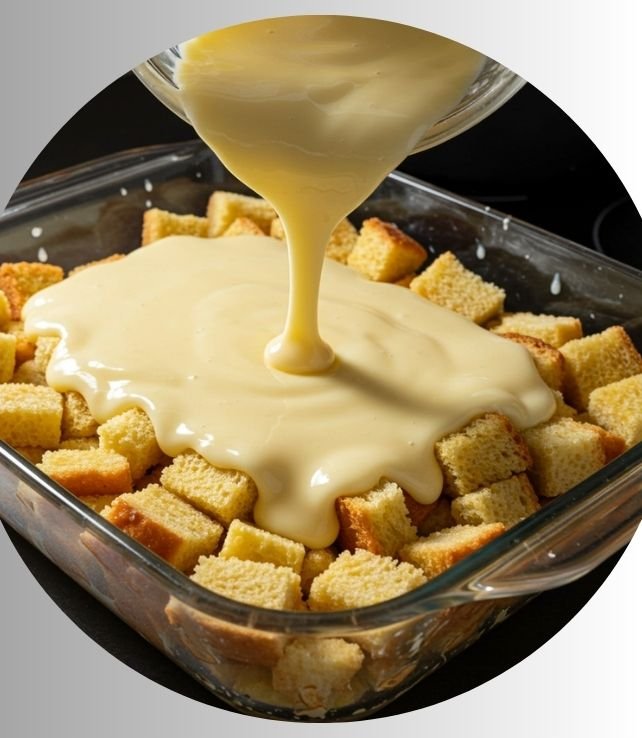
- Pour the liquid custard mixture over the bread cubes. With a spatula, fold gently to ensure every piece of bread is coated. Allow this to stand for 20 minutes so the bread can absorb the liquid.
- Fold in the raisins and shredded coconut into the soaked bread mixture.
- Transfer the entire mixture to your prepared baking dish. Spread it into an even layer. Drizzle the 4 tablespoons of melted butter over the top.
- Bake in the preheated oven for 55 to 65 minutes. The pudding is ready when the top is a deep golden brown and the center is set, with no liquid custard visible when a knife is inserted.
- While the pudding bakes, prepare the sauce. In a medium saucepan, melt the 1/2 cup of butter over medium heat.
- Add the brown sugar and cream to the saucepan, stirring continuously until the sugar is fully dissolved and the sauce is smooth.
- Bring the sauce to a gentle simmer and let it cook for 3-4 minutes, stirring often. It will thicken slightly.
- Remove the saucepan from the heat. Carefully stir in the rum and vanilla extract. The sauce will bubble initially. Return to low heat for one minute if it needs further thickening.
- Let the baked pudding cool for at least 15 minutes before serving. Serve warm, with the hot butter rum sauce drizzled over each portion.
Nutrition
- Calories: 612 kcal
- Protein: 9 g
- Fat: 26 g
- Carbohydrates: 87 g
- Sugar: 70 g
- Fiber: 2 g
- Sodium: 320 mg
- Cholesterol: 145 mg
Cooking Method
The primary method used here is baking. The process involves the coagulation of egg proteins and the gelatinization of starches from the bread within the custard matrix. This transforms the liquid mixture into a solid, sliceable texture.
Tools Needed
- 9×13 inch baking dish
- Large and medium mixing bowls
- Whisk
- Spatula
- Medium saucepan
- Measuring cups and spoons
Ingredient Analysis and Selection
Each component in this formula has a specific functional and flavor role. Understanding these roles allows for informed substitutions and better results.
The Best Bread to Use
The foundation of the dish is the bread. Stale, dry bread is not a compromise; it is a requirement. Its desiccated structure acts as a sponge, eagerly absorbing the custard without disintegrating into mush.
In Jamaica, hard dough bread is the traditional choice. It is a firm, slightly sweet white bread with a tight crumb. If this is not available, a good substitute is a dense Italian or French bread, or even a brioche for a richer outcome. Soft, sliced sandwich bread will work but will yield a much softer, less defined texture.
Building the Custard Base
The custard is what binds the dessert together. The eggs provide structure through protein coagulation during baking. The milk adds liquid and fat, contributing to the tender mouthfeel.
The combination of granulated and brown sugar is intentional. White sugar provides pure sweetness, while brown sugar introduces molasses notes and contributes to a softer, more moist crumb due to its hygroscopic nature.
The Role of Spices and Add-Ins
Cinnamon and nutmeg are the signature spices. They provide warmth and complexity that cuts through the richness of the custard. Their volatile oils are released during baking, filling the kitchen with their aroma.
Raisins offer pockets of chewy sweetness and a slight tartness. The shredded coconut introduces texture and a tropical flavor that is characteristic of many Jamaican desserts. These elements create a contrast against the soft, creamy background of the pudding.
Nutritional Breakdown
From a dietary perspective, this is an energy-dense food. It is high in carbohydrates and sugars, which provide a rapid source of energy. The eggs and milk contribute protein and fat, which can promote a feeling of fullness.
The dessert contains a notable amount of saturated fat and cholesterol from the dairy products and eggs. The high sugar content is its most significant consideration from a health standpoint. It is best appreciated as an occasional component of a balanced diet, with attention to portion size.
There are measurable micronutrients present. Eggs provide choline and vitamin D, while cinnamon has been studied for its potential antioxidant and anti-inflammatory properties, though the amount used here is small.
Dietary Adaptations
This preparation can be modified to suit various dietary needs without losing its essential character.
Gluten-Free Adaptation
Use a sturdy, day-old gluten-free bread. Look for brands that use a blend of flours like sorghum and brown rice, as they tend to hold their structure better when soaked. The method remains identical.
Vegan and Dairy-Free Adaptation
Replace the eggs with a flax egg mixture (1 tbsp ground flaxseed mixed with 2.5 tbsp water per egg). Use plant-based milk like oat or coconut milk. For the butter, a high-quality vegan butter substitute works well in both the pudding and the sauce. Omit the rum sauce or use a rum extract.
Lower-Sugar Version
Reduce the total sugar in the pudding by one-third. You can use a sugar substitute like monk fruit or erythritol that is designed for baking. For the sauce, the sugar can be similarly reduced, though this will affect its viscosity and volume.
Common Mistakes and Expert Tips
Several points in the process are critical for achieving the intended texture and flavor.
Soaking Time is Critical
Not allowing the bread to soak for the full 20 minutes is a common error. This rest period is when the dry bread hydrates. Skipping it leads to a dry interior and a soggy bottom, as unabsorbed custard pools during baking.
Oven Temperature and Doneness
An oven that is too hot will cause the top to brown too quickly while the center remains liquid. Use an oven thermometer to verify temperature accuracy. The pudding is done when the center is springy to the touch and a knife inserted comes out clean, not wet with custard.
Handling the Rum Sauce
When adding the rum to the hot sauce, always remove the pan from the heat first. This is a safety measure to prevent the alcohol from igniting. Simmering the sauce for a few minutes after adding the rum will cook off most of the sharp alcohol flavor, leaving behind its warm, caramel-like notes.
Serving, Pairing, and Storage
Hot or Cold Pudding
This dessert is most commonly served warm. The heat softens the pudding and makes the accompanying sauce more fluid. Serving it cold is also an option, resulting in a firmer, more cake-like texture. The sauce should be warmed before serving over a cold portion.
Storage & Reheating
Leftover pudding, without sauce, can be covered tightly and stored in the refrigerator for up to 4 days. The rum sauce should be stored separately in its own container.
To reheat, place individual portions in an oven at 300°F (150°C) for 10-15 minutes until warmed through. Microwaving is possible but can make the texture rubbery. The sauce can be gently reheated in a saucepan over low heat or in the microwave at low power.
Complementary Pairings
The richness of the pudding is balanced by contrasting flavors and textures. A scoop of plain vanilla ice cream provides a cool, creamy element. A cup of strong black coffee or a dark, bitter tea can cut through the sweetness effectively.
Frequently Asked Questions
What is the difference between Jamaican bread pudding and other types?
The primary distinctions are the specific spice blend, often featuring nutmeg prominently, and the frequent inclusion of coconut and raisins. The most defining feature is the separate, poured-over hot butter rum sauce, which is less common in other traditions.
Can I make this dish without alcohol?
Yes. For the sauce, you can simply omit the rum. The result will be a rich butterscotch-style sauce. Alternatively, you can add a teaspoon of rum extract to mimic the flavor without the alcohol content.
My bread pudding turned out too wet. What happened?
A soggy result is typically due to one of three factors: the bread was not stale enough to begin with, the soaking time was too long causing the bread to break down, or the pudding was under-baked. Ensure you use dry bread and bake until the center is fully set.
Can I prepare this dessert in advance?
You can assemble the pudding up to the point of baking, cover it, and refrigerate it for several hours or overnight. This extended soaking can actually improve the texture. You will need to add a few extra minutes to the baking time if you are starting from a cold state.
Is it necessary to use both white and brown sugar?
While it contributes to the ideal flavor and moisture profile, it is not strictly mandatory. You can use all of one type. Using all brown sugar will yield a deeper, more caramel-like flavor and a darker color. Using all white sugar will produce a lighter, sweeter taste.
What can I use if I don’t have hard dough bread?
A dense, firm white bread like a French baguette or Italian loaf is the best substitute. Challah or brioche will create a richer, more decadent version. The key is to avoid pre-sliced, soft sandwich bread if you want a textured result.
How can I tell if the eggs in the custard are fully cooked?
The eggs are safely cooked when the pudding has puffed up slightly and the center is firm to the touch, not jiggly. The internal temperature should reach at least 160°F (71°C), which is the point at which egg proteins coagulate and any potential bacteria are destroyed.
