
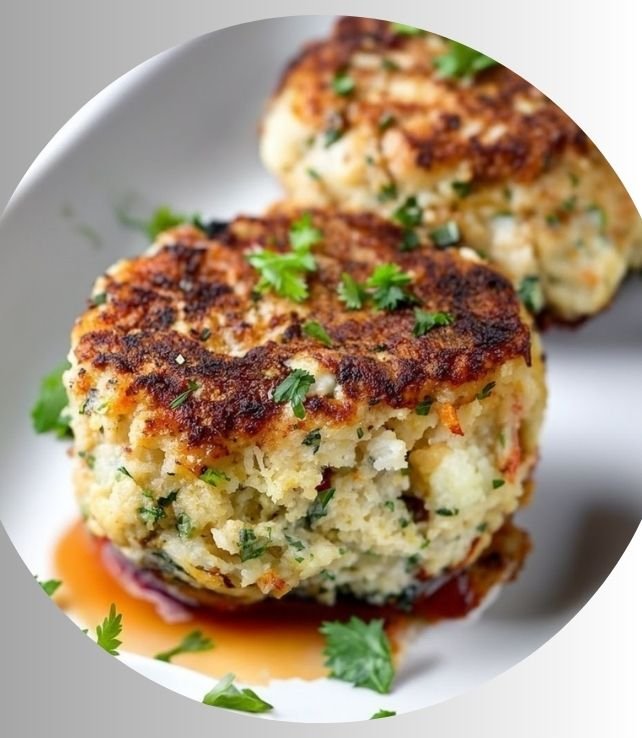
There is a distinct sound a fresh Dungeness crab makes when you crack its shell, a crisp snap that signals the beginning of something good. I recall standing on a weathered dock on the Pacific coast, the air thick with salt, learning this recipe not from a book, but from a fisherman who measured ingredients with his hands. He taught me that the true character of a crab cake lies in the crab itself; everything else is just support.
This recipe is a direct result of that education. It is a method designed to highlight the sweet, tender meat of the Dungeness crab, with a blend of ingredients that bind without overwhelming. The goal is a cake that is crisp on the outside, flaky and moist within, where the crab is the undisputed star. Below, you will find the complete formula and instructions to achieve this result in your own kitchen.
What’s the Story Behind this Recipe?
The crab cake is a dish claimed by many coastal communities, but its soul is divided between two powerhouses: the Atlantic, with its Maryland blue crab traditions, and the Pacific, home to the mighty Dungeness. My personal history is tied to the latter. The Dungeness crab, named after a town in Washington state, is a cornerstone of West Coast seafood culture. Its season dictates menus, and its arrival is a local event.
This particular preparation is a Pacific Northwest interpretation. It borrows the minimal binder philosophy from classic Maryland-style cakes but often incorporates Panko breadcrumbs for a lighter, crisper texture than traditional bread. It’s less about a specific regional dogma and more about a principle: respect the ingredient. This approach ensures the final product is a celebration of the crab, not the breading or the seasoning.
Why Make This
Many recipes for crab cakes produce a dense, bready patty where the crab is lost. The primary reason to follow this guide is to avoid that outcome. This method provides a framework for creating a crab cake with a high ratio of meat to filler, resulting in a superior texture and flavor.
From a nutritional perspective, crab meat is a lean source of high-quality protein, rich in essential vitamins and minerals like vitamin B12, selenium, and zinc. When prepared with mindful ingredient choices, this dish can be a nutritious component of a balanced diet. Understanding the why behind each step empowers you to not just follow a recipe, but to master a technique.
The Best Crab for Crab Cakes
The single most important decision you will make is the selection of your primary ingredient. The quality of the crab meat directly dictates the quality of the final cake.
Understanding Dungeness Crab Meat
Dungeness crab yields large pieces of meat with a delicate, sweet flavor and a slightly firmer texture compared to blue crab. It has a lower salt content, which gives it a cleaner, more pronounced sweetness. When you purchase Dungeness crab meat, you will typically find it in a few forms. “Lump crab meat” consists of large, solid pieces from the body, ideal for recipes where presentation is key. “Backfin” is a mix of smaller lumps and flaked meat, which works perfectly for cakes as it creates a cohesive mixture while still retaining texture.
Fresh vs. Pasteurized vs. Frozen
Fresh, hand-picked crab meat is the gold standard. It has the best flavor and texture. Look for containers at your fish counter that are well-chilled and have a clean, oceanic smell.
Pasteurized crab meat, found in sealed cans or jars in the refrigerated section, is a practical alternative. The pasteurization process extends its shelf life but can slightly alter the texture and mute the fresh flavor. If using this type, drain it well and taste for seasoning before adding salt to your mixture.
Frozen crab meat can be used successfully. The key is to thaw it gradually in the refrigerator overnight. Avoid thawing at room temperature or in water, as this can degrade the texture and make the meat watery. Once thawed, press it gently between paper towels to remove excess moisture.
What Goes into this Recipe
Every component in this recipe has a specific functional or flavor purpose. The balance is critical to achieving a cake that holds together without becoming pasty.
Ingredient Notes & Substitutions
The foundation is, of course, one pound of Dungeness crab meat. Carefully pick through the meat to check for any small fragments of shell or cartilage. This is a crucial step for a pleasant eating experience.
Panko breadcrumbs are my preferred binder. They are made from crustless white bread, resulting in a flakier, airier, and crispier texture than dense, traditional breadcrumbs. For a gluten-free version, use an equal amount of gluten-free Panko or finely crushed gluten-free crackers.
Binders include mayonnaise and an egg. The mayonnaise contributes fat and flavor, helping to moisten the mixture, while the egg acts as the primary protein that coagulates during cooking, solidifying the cake’s structure. For a dairy-free option, ensure your mayonnaise is made with oils like avocado or sunflower.
Aromatics are finely minced to distribute flavor evenly without creating large chunks. This includes shallot, celery, and parsley. Dijon mustard and a dash of Worcestershire sauce provide depth and a subtle tang that complements the crab’s sweetness without overpowering it. Fresh lemon juice brightens the entire dish.
Seasoning is simple: salt and black pepper. Old Bay seasoning is a classic addition, but it should be used with a light hand to avoid dominating the delicate crab. The key is to season the mixture, not just the crab.
How to Make Dungeness Crab Cakes Recipe
Recipe Details
- Prep Time: 25 minutes (plus 30 minutes chilling)
- Cook Time: 10 minutes
- Servings: 4 (2 cakes per person)
- Course: Main Course
- Cuisine: American, Pacific Northwest
- Diet: Nut-Free
Ingredients
- 1 pound Dungeness crab meat, picked over for shell
- 1/2 cup Panko breadcrumbs
- 1/4 cup mayonnaise
- 1 large egg, lightly beaten
- 2 tablespoons finely minced shallot
- 2 tablespoons finely minced celery
- 2 tablespoons fresh parsley, chopped
- 1 teaspoon Dijon mustard
- 1 teaspoon Worcestershire sauce
- 1 tablespoon fresh lemon juice
- 1/4 teaspoon salt
- 1/4 teaspoon black pepper
- 1/4 teaspoon Old Bay seasoning (optional)
- 2 tablespoons butter or neutral oil, for frying
Instructions
- In a medium bowl, combine the mayonnaise, egg, shallot, celery, parsley, Dijon mustard, Worcestershire sauce, lemon juice, salt, pepper, and Old Bay seasoning (if using). Whisk these ingredients until they form a uniform dressing.
- Gently fold in the Panko breadcrumbs, allowing them to absorb the moisture from the dressing. Let this mixture sit for two minutes to hydrate the breadcrumbs.
- Add the Dungeness crab meat to the bowl. Using a rubber spatula or your hands, gently fold the crab into the dressing mixture. Be careful to maintain the lump structure of the crab meat; overmixing will break it down and result in a mushy texture.
- Divide the mixture into 8 equal portions. Carefully shape each portion into a patty about 3/4-inch thick. Place the formed patties on a parchment-lined baking sheet.
- Cover the baking sheet with plastic wrap and refrigerate the crab cakes for at least 30 minutes, or up to 4 hours. This chilling step is non-negotiable as it firms up the cakes, preventing them from falling apart during cooking.
- When ready to cook, heat the butter or oil in a large skillet over medium heat. Once the fat is hot and shimmering, carefully add the crab cakes in a single batch, working in batches if necessary to avoid crowding the pan.
- Cook for 4-5 minutes per side, until the exterior is a deep golden brown and crisp. Do not press down on the cakes with your spatula, as this will squeeze out moisture and compact them.
- Transfer the cooked crab cakes to a paper towel-lined plate to drain any excess oil for a minute before serving immediately.
Nutrition
- Calories: 285 kcal
- Protein: 22 g
- Fat: 18 g
- Carbohydrates: 7 g
- Sugar: 1 g
- Fiber: 0.5 g
- Sodium: 780 mg
- Cholesterol: 145 mg
Cooking Method
This recipe uses pan-frying as the primary cooking method. The direct, dry heat of the skillet creates a Maillard reaction on the surface of the cake, producing a complex, savory flavor and a desirable crispy crust. The internal temperature of the crab cake needs only to reach about 145°F to be safe to eat, which is easily achieved during the browning process. The goal is to heat the cake through while developing a robust exterior.
Tools Needed
- Medium mixing bowl
- Rubber spatula
- Measuring cups and spoons
- Large skillet (cast iron or non-stick recommended)
- Baking sheet
- Parchment paper
How To Prepare Crabmeat for Crab Cakes
Proper preparation begins before you even mix your ingredients. Start by placing your picked crab meat in a colander to allow any residual liquid to drain. After draining, spread the meat on a layer of paper towels and gently pat it dry. This step removes excess water that would otherwise steam during cooking and prevent proper browning, and it can also weaken the binding power of the egg.
When combining the crab with the other ingredients, the folding technique is paramount. Use a broad, sweeping motion with a spatula or your hands to lift the mixture from the bottom of the bowl and turn it over on itself. This integrates the components while preserving the delicate pieces of crab. The mixture should just hold together when pressed; if it seems too wet, a tablespoon more of Panko can be added.
Chill the Crab Cakes Before Cooking Them
This is the most frequently skipped yet most critical step for structural integrity. The chilling period serves two essential functions. First, it allows the Panko breadcrumbs to fully absorb the liquid from the mayonnaise, egg, and lemon juice. This hydration transforms the dry crumbs into a soft, cohesive binder that will hold the cake together.
Second, refrigeration firms up the fat within the mixture. The chilled fat melts more slowly when it hits the hot pan, giving the exterior time to set and form a crust before the interior softens. This prevents the cake from bursting or crumbling during the flipping process. A minimum of 30 minutes is required, but a longer chill only improves the outcome.
Nutritional Breakdown
From a dietary standpoint, this dish is a high-protein, low-carbohydrate option. The primary macronutrient is protein from the crab meat, which is essential for muscle repair and satiety. The fat content is moderate and comes from the mayonnaise and cooking fat, which aids in the absorption of fat-soluble vitamins.
Crab is an excellent source of omega-3 fatty acids, which support cardiovascular and cognitive health. It is also rich in phosphorus, which works with calcium for bone health, and copper, which aids in iron absorption. The sodium level is something to be mindful of; using low-sodium mayonnaise and carefully controlling added salt can help manage this for those monitoring their intake.
Dietary Adaptations
This recipe is adaptable to several dietary needs without sacrificing quality.
Gluten-Free
Substitute the Panko breadcrumbs with an equal amount of gluten-free Panko-style breadcrumbs or 1/2 cup of finely crushed gluten-free crackers. Ensure your Worcestershire sauce is a gluten-free brand, as many traditional versions contain wheat-derived ingredients.
Dairy-Free
The recipe is naturally dairy-free if you use a dairy-free mayonnaise and cook with oil instead of butter. Most commercial mayonnaises and Worcestershire sauces are dairy-free, but it is always prudent to check the labels.
Lower Fat
To reduce the fat content, you can use a light mayonnaise. For cooking, use a non-stick skillet and a light spray of avocado or olive oil instead of butter or a larger volume of oil. Baking is another option, though it will yield a softer crust.
Common Mistakes & Expert Tips
Avoiding common errors is the fastest path to a perfect result.
Overmixing the Crab: This is the cardinal sin of crab cake preparation. Vigorous stirring breaks down the lumps of meat into a stringy, paste-like consistency. Fold gently until just combined.
Skipping the Chill: As discussed, this leads to cakes that fall apart in the pan. The refrigerator is your most important tool for this recipe.
Overcrowding the Pan: Adding too many cakes at once lowers the pan’s temperature, causing the cakes to steam rather than sear. Cook in batches to ensure each patty has space for proper browning.
Flipping Too Early: Allow a firm crust to form before attempting to flip. If the cake resists when you try to lift it with a spatula, it needs more time. A clean release indicates a properly seared exterior.
What Kind of Sauce Do You Serve With Crab Cakes?
The sauce should complement, not mask, the flavor of the crab. A simple lemon wedge is often all that is needed. For a more composed sauce, a classic remoulade or aioli is ideal.
A quick lemon aioli can be made by combining 1/2 cup of mayonnaise with one minced garlic clove, one tablespoon of fresh lemon juice, and a teaspoon of Dijon mustard. A tartar sauce made with chopped capers, cornichons, and fresh dill is another traditional pairing. For a lighter option, a drizzle of chili oil or a spoonful of mango salsa can provide a sweet and spicy contrast.
What to Serve with Crab Cakes
Crab cakes are a versatile main course. For a light meal, a simple arugula salad with a lemon vinaigrette provides a peppery contrast. Roasted asparagus or a fresh corn and tomato salad are vegetable options that align with the coastal theme.
For a more substantial plate, consider creamy coleslaw, roasted potato wedges, or a wild rice pilaf. The goal is to choose sides that have contrasting textures and flavors to the rich, savory crab cake.
Make Ahead or Freeze
This recipe is excellent for planning ahead. The uncooked, shaped crab cakes can be stored in the refrigerator on their baking sheet, covered tightly with plastic wrap, for up to one day before cooking.
For longer storage, freezing is effective. After shaping and chilling the patties, transfer them to the freezer on the baking sheet until solid. Once frozen, place them in a single layer in a freezer-safe bag, removing as much air as possible. They can be stored for up to two months. To cook, there is no need to thaw; simply add a few extra minutes to the cooking time on each side, cooking from frozen over medium heat until heated through and browned.
The Science of Binding and Browning
The success of a crab cake hinges on protein coagulation and starch gelatinization. The egg proteins unwind and form a solid network when heated, trapping the other ingredients. Simultaneously, the starch molecules in the Panko absorb water and swell, creating a gel that adds to the structural matrix.
Browning, or the Maillard reaction, occurs when amino acids and reducing sugars in the cake’s surface are exposed to high heat. This complex chemical reaction produces hundreds of new flavor compounds, creating the characteristic savory, nutty, and roasted notes of a well-cooked crab cake. The presence of fat in the pan facilitates even heat transfer and participates in these reactions, deepening the flavor and color.
Frequently Asked Questions
Can I bake the crab cakes instead of pan-frying?
Yes, you can bake them. Preheat your oven to 400°F. Place the chilled cakes on a parchment-lined baking sheet, lightly brush the tops with oil, and bake for 12-15 minutes, flipping halfway through. The crust will be softer than when pan-fried.
My crab cakes fell apart. What went wrong?
The most likely causes are insufficient chilling time, overmixing the crab meat which broke down the binding structure, or attempting to flip the cakes before a proper crust had formed on the first side.
How can I tell when the crab cakes are fully cooked?
They are done when the exterior is a uniform golden brown and the internal temperature registers 145°F on an instant-read thermometer. The cooking process is primarily about heating them through after browning.
What is the difference between Dungeness and Maryland crab cakes?
Maryland crab cakes traditionally use blue crab meat, which is finer and saltier, and often use saltine crackers or regular breadcrumbs as a binder. Dungeness crab cakes feature larger, sweeter meat and frequently use Panko for a lighter, crisper texture.
Is it necessary to use an egg in the recipe?
The egg is the primary protein-based binder that sets during cooking. While you can try using extra mayonnaise, the structural integrity will be weaker, and the cakes will be more fragile. The egg is recommended for reliable results.
