
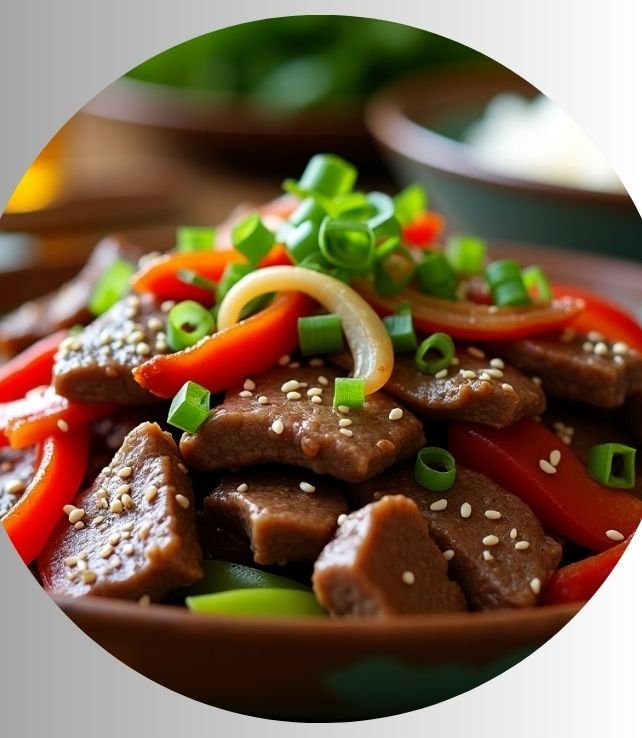
Finding a main course that is both deeply flavorful and straightforward to prepare can be a challenge for a weeknight meal. You want something that feels special without requiring hours in the kitchen. This recipe for Chop Steak Hawaii solves that problem.
It combines tender pieces of beef with a sweet and savory sauce, creating a dish that is consistently satisfying. I developed this version after years of testing, focusing on a balance of taste and nutrition. What follows is a complete guide to mastering this meal.
How to Make Chop Steak Hawaii Recipe
This section provides the core recipe. For detailed explanations on ingredients, techniques, and variations, continue to the sections that follow.
Recipe Details
- Prep Time: 25 minutes (plus 30 minutes marinating)
- Cook Time: 20 minutes
- Servings: 4
- Course: Main Course
- Cuisine: Hawaiian-American Fusion
- Diet: Gluten-Free Adaptable
Ingredients
- 1.5 pounds sirloin steak, cut into 1-inch pieces
- 2 tablespoons vegetable oil
- 1 large yellow onion, chopped
- 3 cloves garlic, minced
- 1 tablespoon fresh ginger, grated
- 1/2 cup soy sauce
- 1/4 cup rice vinegar
- 1/4 cup brown sugar
- 1/2 cup water
- 1 tablespoon cornstarch
- 1 teaspoon black pepper
- 1/2 teaspoon salt
- 1 green bell pepper, chopped (optional)
- 1 star anise (optional, for depth)
Instructions
- Place the cut sirloin in a medium bowl. Season the meat with black pepper and salt.
- In a separate bowl, whisk together the soy sauce, rice vinegar, brown sugar, and minced garlic to create the seasoning liquid. Pour half of this liquid over the beef to marinate. Reserve the other half for the sauce. Let the beef sit for at least 30 minutes.
- After marinating, heat one tablespoon of vegetable oil in a large skillet or wok over medium-high heat.
- Add the chopped onion to the hot pan and cook for 3-4 minutes until it begins to soften.
- Add the marinated beef pieces to the skillet, shaking off excess liquid. Cook for 5-6 minutes, stirring occasionally, until the beef is browned on all sides. Remove the beef and onions from the skillet and set aside.
- Reduce the heat to medium. Add the remaining tablespoon of oil to the same skillet. Add the ginger and optional star anise, cooking for 30 seconds until fragrant.
- Pour the reserved sauce into the skillet. In a small cup, mix the cornstarch with the 1/2 cup of water until smooth. Stir this slurry into the sauce in the skillet.
- Bring the liquid to a simmer, stirring constantly, until the sauce thickens, which should take about 2-3 minutes.
- Return the beef and onions to the skillet. Add the optional chopped bell pepper. Stir everything together to coat in the sauce and heat through for 2 more minutes. Serve immediately.
Nutrition
- Calories: 415 kcal
- Protein: 38 g
- Fat: 18 g
- Carbohydrates: 22 g
- Sugar: 15 g
- Fiber: 1 g
- Sodium: 980 mg
- Cholesterol: 102 mg
Cooking Method
The primary method for this dish is pan-frying or sautéing. This technique uses high heat to quickly sear the outside of the beef, sealing in its natural juices. The sauce is then built in the same pan, incorporating the flavorful fond left from browning the meat.
Tools Needed
- Large skillet or wok
- Mixing bowls
- Whisk
- Measuring cups and spoons
- Sharp chef’s knife
- Cutting board
Understanding the Core Ingredients
Each component in this recipe plays a specific role. Understanding these roles allows you to make informed substitutions and achieve the best possible result.
Selecting the Right Steak
The term “chop steak” or “chopped steak” typically refers to a cut of beef that is tender enough for quick cooking but has enough flavor to stand up to a robust sauce. Sirloin is the ideal choice for this balance.
It is leaner than ribeye but more flavorful than tenderloin. When you purchase the meat, look for a piece with a bright red color and some marbling of white fat. This marbling will melt during cooking, basting the meat from the inside and preventing it from becoming tough.
Ask your butcher to trim any excess sinew. You can also use tri-tip or even a good quality chuck steak, though cooking times may vary slightly with tougher cuts.
The Science of the Marinade and Sauce
The marinade and sauce are fundamentally the same mixture, used in two stages. This creates a layered flavor profile.
Soy sauce provides the salty, umami base. Rice vinegar introduces a mild acidity that helps tenderize the meat and balance the sweetness. Brown sugar caramelizes when heated, contributing to the glossy finish and sweet notes that define the “Hawaii” style.
The cornstarch is a crucial thickener. When mixed with cold water and heated, the starch granules swell and burst, creating a gel that gives the sauce its characteristic clingy texture without making it gloopy.
Aromatics: Garlic, Ginger, and Onion
These three ingredients form the aromatic foundation of countless savory dishes. Garlic and ginger are not just flavor agents; they contain enzymes and compounds that interact with the protein in the beef.
Mincing the garlic ensures it disperses evenly throughout the dish. Grating the ginger releases its juices and potent flavor. The onion, when cooked, undergoes a Maillard reaction and caramelization, developing a natural sweetness that complements the sauce.
Nutritional Analysis of Chop Steak Hawaii
As a dietitian, I analyze meals for their macronutrient balance and micronutrient density. This dish, when prepared as directed, offers a solid nutritional profile.
Macronutrient Balance
The recipe is high in protein, primarily from the sirloin steak. Protein is essential for muscle repair, satiety, and metabolic function. The fat content is moderate and comes from the beef and cooking oil, providing energy and aiding in the absorption of fat-soluble vitamins.
Carbohydrates are present from the sugar and vegetables. The sugar is a simple carbohydrate for quick energy, while the onion provides a small amount of complex carbohydrates and fiber.
Key Micronutrients
Beef is an excellent source of bioavailable iron, vitamin B12, and zinc. These nutrients are critical for oxygen transport in the blood, neurological function, and immune support. The garlic and ginger contribute antioxidants and have anti-inflammatory properties.
The primary nutritional consideration is sodium, which comes from the soy sauce. For those monitoring sodium intake, the adaptations section below provides solutions.
Dietary Adaptations
This recipe is adaptable to many dietary needs without sacrificing its core identity.
Gluten-Free Version
Use tamari or a certified gluten-free soy sauce instead of regular soy sauce. Ensure all other packaged ingredients, like rice vinegar, are labeled gluten-free.
Lower-Sodium Version
Replace the soy sauce with a low-sodium variety. You can also use coconut aminos, which have a similar flavor profile with about 65% less sodium. Reduce or omit the added salt in the marinade.
Vegan or Vegetarian Version
Substitute the beef with a plant-based protein like seitan, extra-firm pressed tofu, or king oyster mushrooms sliced into thick pieces. The marinade and sauce work exceptionally well with these substitutes.
The Cultural and Historical Context
Chop Steak Hawaii is not a traditional native Hawaiian dish. It is a product of 20th-century American culinary innovation, reflecting the influence of Asian immigrants on Hawaiian food culture and its subsequent interpretation on the mainland.
The “Hawaiian” element in the name typically points to the use of a sweet and sour profile, often featuring pineapple juice or sugar, and soy sauce. This flavor combination is reminiscent of dishes found in Hawaiian plate lunches, which themselves are a fusion of American, Japanese, Chinese, Filipino, and Portuguese cuisines.
This recipe represents a home-cooked, simplified version of those complex cultural exchanges. It is a testament to how global flavors can be adapted into an accessible and family-friendly format.
Common Mistakes and How to Avoid Them
After testing this recipe numerous times, I have identified a few common pitfalls that can affect the final outcome.
Overcrowding the Pan
Adding too much beef to the skillet at once will cause the temperature to drop rapidly. Instead of searing, the meat will steam and release its liquid, resulting in boiled, grey beef rather than a flavorful brown crust. Cook in batches if your pan is not large enough.
Incorrect Sauce Thickening
If you add the cornstarch slurry directly to a boiling liquid without first mixing it with cold water, it will form lumps instantly. Always create a smooth paste with cold water before incorporating it into the hot sauce. Furthermore, bring the sauce to a full simmer to activate the starch’s thickening power.
Skipping the Marinating Step
While you can cook the beef without marinating, the 30-minute soak in the seasoning liquid does two things: it begins the tenderizing process with its acidic component, and it allows salt and flavor to penetrate the surface of the meat, creating a more seasoned bite throughout.
Serving, Pairing, and Storage Instructions
This dish is versatile and can be the centerpiece of various meal configurations.
What to Serve With Chop Steak Hawaii
The most traditional and effective pairing is with a simple bed of steamed white rice. The rice absorbs the extra sauce beautifully. For a lower-carbohydrate option, cauliflower rice is an excellent substitute.
To round out the meal, consider a simple vegetable side. Steamed broccoli, a crisp cucumber salad, or sautéed green beans provide a fresh contrast to the rich, savory-sweet main dish.
Storing and Reheating Leftovers
Allow the dish to cool completely before transferring it to an airtight container. It can be refrigerated for up to 3 days.
To reheat, place the desired portion in a skillet over medium-low heat with a tablespoon of water. Gently warm it, stirring occasionally, until heated through. This method helps reconstitute the sauce better than a microwave, which can make the beef rubbery.
Alternative Cooking Methods
While the stovetop method is the most direct, you can achieve different results with other techniques.
How to Make Hawaiian Chopped Steak on the Grill
For a smokier flavor, you can grill the marinated beef pieces. Use skewers or a grill basket to prevent the pieces from falling through the grates. Grill over direct high heat for 4-6 minutes, turning once.
The sauce should be prepared separately in a saucepan on the stovetop. Once the beef is grilled, toss it with the sauce in a large bowl before serving.
Baking Method
For a hands-off approach, you can bake the dish. After browning the beef and onions on the stovetop, transfer everything to a baking dish. Pour the prepared sauce over the top, cover with foil, and bake at 375°F (190°C) for 20-25 minutes. This method yields a very tender result.
Frequently Asked Questions
What is the difference between chopped steak and ground beef?
Chopped steak is made from a solid cut of steak that is manually cut into small, irregular pieces. Ground beef is mechanically pushed through a grinder, resulting in a finer, more uniform texture. Chopped steak generally has a better texture and is less prone to becoming mushy.
Can I use a different cut of beef?
Yes, you can use tri-tip, flank steak, or skirt steak. These cuts are flavorful but can be less tender than sirloin, so ensure you slice them thinly against the grain after cooking for the best texture.
My sauce is too thin. How can I fix it?
Create another small slurry of one teaspoon of cornstarch and one tablespoon of cold water. Stir this into the simmering sauce and cook for another minute. Repeat if necessary, but be careful not to over-thicken.
Is this recipe spicy?
As written, this recipe is not spicy. The flavor profile is sweet and savory. If you prefer heat, you can add a teaspoon of sriracha or red pepper flakes to the sauce mixture.
How long can I marinate the beef?
For best results, marinate for 30 minutes to 2 hours. Marinating for longer than 4 hours, especially with the acidic vinegar, can begin to break down the proteins too much, resulting in a mushy exterior.
Can I freeze Chop Steak Hawaii?
Yes, it freezes reasonably well. Cool completely and store in a freezer-safe container for up to 2 months. Thaw in the refrigerator overnight before reheating. Note that the texture of the onions and peppers may be softer after freezing and thawing.
