
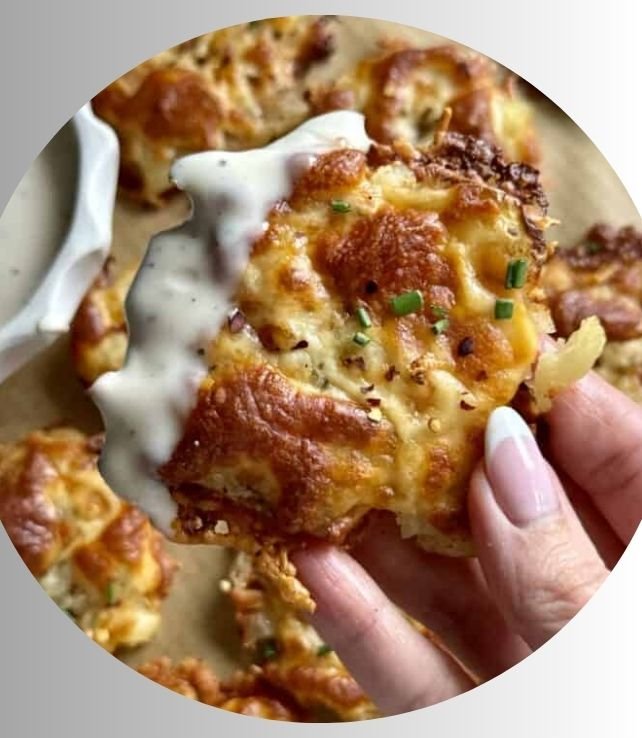
There is a specific kind of satisfaction that comes from transforming a simple ingredient into something extraordinary. For me, that process often begins with the humble potato. I recall my grandmother’s kitchen, where a bowl of plain boiled potatoes was never the final destination. She would take them, apply a bit of pressure with the back of a heavy glass, and create a canvas for flavor.
This cheesy smashed potatoes recipe is a direct descendant of that principle. It elevates the potato from a standard side dish to a textural masterpiece, combining a creamy interior with a crisp, golden edge, all under a layer of melted cheese. It answers the common problem of a bland potato side with a solution that is both simple and deeply flavorful.
As a dietician and culinary historian, I appreciate this method not just for its taste, but for its intelligent use of basic kitchen science and its potential for nutritional adaptation. What follows is a complete guide to mastering this dish, from selecting the right potato to understanding the chemical reactions that create its perfect texture.
Why You Will Appreciate This Recipe
This approach to potatoes delivers a result that is greater than the sum of its parts. The technique of smashing creates an increased surface area, which allows for more areas to become crisp and brown during roasting. The initial boil ensures the inside remains soft and tender.
From a nutritional standpoint, leaving the skin on provides dietary fiber and essential nutrients like potassium. The addition of cheese contributes protein and calcium, making this more balanced than many potato preparations. It is a side dish that can anchor a meal without relying on heavy creams or excessive fats.
How to Make Cheesy Smashed Potatoes Recipe
Recipe Details
- Prep Time: 15 minutes
- Cook Time: 45 minutes
- Servings: 4
- Course: Side Dish
- Cuisine: American
- Diet: Vegetarian
Ingredients
- 2 pounds small gold or red potatoes
- 1 tablespoon salt, for boiling water
- 3 tablespoons olive oil
- 2 tablespoons unsalted butter, melted
- 2 cloves garlic, minced
- 1 teaspoon black pepper
- 1 teaspoon paprika
- 1 1/2 cups shredded cheese (a blend of parmesan and mozzarella works well)
- 2 tablespoons fresh chives, finely chopped
Instructions
- Preheat your oven to 425°F (220°C). Line a large baking sheet with parchment paper.
- Place the potatoes in a large pot and cover with cold water. Add the tablespoon of salt. Bring to a boil over high heat, then reduce to a simmer. Cook for 15-20 minutes, or until the potatoes are tender and can be easily pierced with a fork.
- Drain the potatoes thoroughly and let them sit for a few minutes to steam dry.
- In a small bowl, combine the olive oil, melted butter, minced garlic, black pepper, and paprika.
- Arrange the boiled potatoes on the prepared baking sheet. Using the bottom of a heavy glass or a flat-bottomed measuring cup, gently press down on each potato until it is flattened but still holding together. The skin will split, which is expected.
- Brush each smashed potato generously with the seasoned oil and butter mixture, ensuring the liquid gets into the crevices.
- Bake for 20 minutes, or until the edges start to become crisp and golden.
- Remove the baking sheet from the oven. Sprinkle the shredded cheese evenly over each potato.
- Return the sheet to the oven for 5-7 minutes, or until the cheese is fully melted and bubbly.
- Remove from the oven and immediately sprinkle with fresh chives. Serve hot.
Nutrition
- Calories: 320 kcal
- Protein: 12 g
- Fat: 18 g
- Carbohydrates: 35 g
- Sugar: 3 g
- Fiber: 4 g
- Sodium: 480 mg
- Cholesterol: 35 mg
Cooking Method
This recipe employs a two-stage cooking process: boiling followed by roasting. Boiling is a moist-heat method that cooks the potato evenly all the way through, gelatinizing its starches to create a tender, fluffy texture. Roasting is a dry-heat method that uses the high heat of the oven to drive off surface moisture, allowing the sugars in the potato to caramelize and the exterior to become crisp. The smashing step is the crucial link between the two, creating the ideal surface for browning.
Tools Needed
- Large pot for boiling
- Colander for draining
- Large baking sheet
- Parchment paper
- Mixing bowl
- Pastry brush or spoon for basting
- Heavy glass, mason jar, or potato masher for smashing
Ingredient Analysis and Selection
Each component in this recipe has a specific role. Understanding these roles allows you to make informed substitutions and achieve consistent results.
Choosing Your Potato
The type of potato you select is the foundation of the dish. Waxy potatoes, like small red or gold varieties, are ideal. Their lower starch content and firmer cell structure mean they hold their shape well after boiling and smashing. A starchy potato, like a russet, would become too mealy and fall apart during this process. The gold potato, often marketed as a Yukon Gold, offers a naturally buttery flavor and creamy yellow flesh that complements the cheese beautifully.
The Role of Fats: Oil and Butter
Using a combination of olive oil and butter is a strategic decision. Olive oil has a higher smoke point, which prevents burning during the high-temperature roast and promotes even crisping. Butter contributes flavor and, due to its milk solids, aids in browning. The fat also acts as a conductor of heat, helping the exterior of the potato cook quickly and efficiently, and it carries the flavors of the garlic and spices.
Building Flavor with Cheese and Aromatics
The choice of cheese affects both flavor and texture. Parmesan provides a sharp, salty, umami depth, while a good melting cheese like mozzarella or cheddar creates the desirable stretchy, bubbly layer. Fresh chives add a mild, onion-like sharpness that cuts through the richness. Garlic, when minced and mixed with the fat, roasts gently and infuses the entire dish without burning.
Nutritional Breakdown
As a dietician, I analyze recipes for their macro and micronutrient contributions. This dish provides a balanced profile when considered as part of a meal.
Potatoes are an excellent source of complex carbohydrates, which are the body’s primary energy source. The skin is rich in dietary fiber, which supports digestive health and promotes a feeling of fullness. They also provide significant amounts of Vitamin C, B6, and potassium.
The cheese adds high-quality protein and calcium, which are crucial for muscle maintenance and bone health. The fats from the oil and butter are necessary for the absorption of fat-soluble vitamins. By controlling the amount of added salt and using fresh herbs, you can manage the sodium content while maximizing flavor.
Dietary Adaptations
This recipe is highly adaptable to various dietary needs without sacrificing the core experience.
Vegan Variation
To make this dish vegan, replace the butter with an equal amount of vegan butter or additional olive oil. For the cheese, use a high-quality vegan shredding cheese that melts well. Nutritional yeast can also be sprinkled on before baking to add a cheesy, savory flavor.
Lower-Fat Version
For a lower-fat preparation, you can reduce the amount of olive oil and butter by half and use a cooking spray to lightly coat the potatoes before smashing. Opt for a reduced-fat cheese, though be aware that it may not melt as smoothly.
Adding Protein
To make this a more substantial main course, consider adding a layer of cooked, crumbled bacon, diced ham, or canned, drained black beans on top of the potatoes just before adding the cheese.
Cultural and Historical Context
The concept of smashing a boiled potato and roasting it is not new, but its popularization in home kitchens is a more recent trend, often linked to the rise of food media and blogs. It is a practical technique that shares DNA with dishes like English “crushed potatoes” and Italian “patate al forno.”
Historically, methods that maximize the texture and flavor of a cheap, abundant staple like the potato are common across many cultures. This recipe represents a modern iteration of that timeless culinary impulse: to make everyday food special through technique and a few key additions.
Common Mistakes and Expert Tips
Avoiding a few common errors will ensure your potatoes turn out perfectly every time.
Do not overcook the potatoes during the boiling stage. They should be tender but not falling apart. An overcooked potato will become watery and mash completely when you try to smash it.
Ensure the potatoes are dry before smashing and adding oil. Excess water will steam the potatoes in the oven instead of allowing them to crisp.
When smashing, use a confident but gentle press. The goal is to flatten, not to pulverize. The potato should remain in one piece, with a craggy, textured surface.
Do not crowd the baking sheet. Leaving space between each potato allows for hot air to circulate, which is essential for even browning and crisping. If the potatoes are too close, they will steam each other.
Serving, Pairing, and Storage
These cheesy smashed potatoes are an incredibly versatile side dish. They pair wonderfully with roasted chicken, grilled steak, or baked fish. For a vegetarian meal, serve them alongside a large salad with a vinaigrette dressing or with roasted broccoli.
Leftovers can be stored in an airtight container in the refrigerator for up to 3 days. Reheat them in an oven or toaster oven at 375°F until warm and crisp. Reheating in a microwave will make them soft.
The Science of Smashing and Browning
The Maillard reaction is a chemical reaction between amino acids and reducing sugars that gives browned food its distinctive flavor. By smashing the potato, you drastically increase its surface area, creating more sites for this reaction to occur. This is why the flattened parts become so flavorful and crisp.
Furthermore, the act of boiling the potato first gelatinizes its starch granules. When the potato is then roasted, this gelatinized starch on the surface dehydrates and recrystallizes, forming a brittle, crisp crust. The fat applied before roasting facilitates this process by ensuring even heat transfer and preventing sticking.
Frequently Asked Questions
Can I use large potatoes for this recipe?
It is not recommended. Large potatoes will require a much longer boiling time to become tender in the center, often resulting in an overcooked exterior. They are also more difficult to smash evenly. Small, uniformly sized potatoes ensure consistent cooking.
What is the best tool to use for smashing?
The bottom of a heavy glass or a sturdy mason jar works very well, as it provides a flat, even surface. A flat-bottomed metal measuring cup is another good option. You can also use a potato masher, but it will create a different, more grooved texture.
My potatoes are sticking to the pan. How can I prevent this?
Using parchment paper is the most reliable method to prevent sticking. If you do not have parchment paper, ensure your baking sheet is well-greased with a thin layer of oil before placing the potatoes on it.
Can I prepare these potatoes ahead of time?
You can boil the potatoes a day in advance. After draining, let them cool completely and store them in the refrigerator. When ready to cook, let them come to room temperature for about 20 minutes before smashing and roasting. This may add a few minutes to the roasting time.
Why did my cheese burn before the potatoes were done?
This happens if the cheese is added too early. The potatoes need sufficient time in the oven to crisp up before the cheese is applied. Only add the cheese during the last 5-7 minutes of cooking, just to melt and bubble.
Are the potato skins edible?
Yes, the skins of small red and gold potatoes are entirely edible and contain a significant amount of the potato’s fiber and nutrients. They also help hold the potato together during the smashing process.
Can I use frozen potatoes for this?
No. Frozen potatoes have a different cellular structure and moisture content due to the freezing process. They will not boil or smash correctly and will result in a mushy, watery final product. Always use fresh, raw potatoes.
More Easy Side Recipes
If you enjoy this method of preparing vegetables, you might also like other roasted vegetable dishes. Roasted carrots with thyme or crispy Brussels sprouts with a balsamic glaze use similar dry-heat principles to develop deep flavor. A simple quinoa salad with lemon vinaigrette can provide a light, protein-rich counterpoint to these richer potato dishes.
