
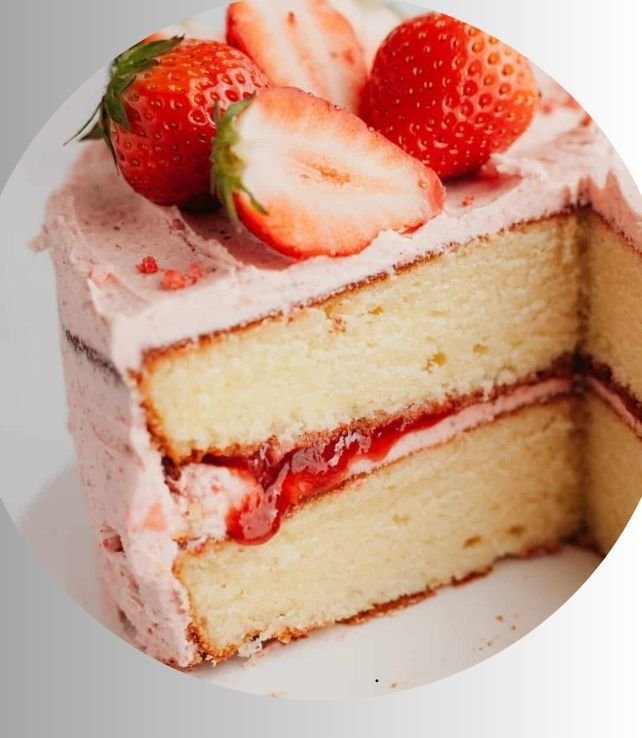
You have a celebration coming up, or perhaps you simply want a weekend project that yields something beautiful and satisfying. A standard layer cake is a fine choice, but a cake with strawberry filling transforms it into something memorable. The contrast of tender crumb against the bright, slightly tart fruit compote creates a balance that a simple buttercream cannot achieve on its own.
I developed this recipe after years of testing in my kitchen and consulting with clients who wanted a dessert that felt special without being overly complicated. The goal was a reliable vanilla cake that is sturdy enough to hold a moist filling, paired with a strawberry component that tastes genuinely of fruit, not just sugar. This article will guide you through every step, from selecting your berries to the final decorative touch, ensuring your result is both visually impressive and deeply flavorful.
The Anatomy of a Perfect Filled Cake
Creating a layered cake with a fruit filling is more than following a list of steps. It’s about understanding how each component interacts. The cake must have a tight enough crumb to support the weight of the filling and frosting without becoming soggy. The filling needs a consistency that stays in place when sliced but isn’t so firm it tastes like jam from a jar. The frosting acts as both glue and a protective seal.
When these elements work in harmony, you get a slice that holds its shape on the plate, with distinct, complementary layers of flavor and texture. This requires attention to ingredient quality, technique, and timing. Let’s begin by breaking down the core formula before moving into the detailed method.
How to Make Cake With Strawberry Filling Recipe
This is the master recipe for a classic 8-inch, two-layer cake. The process is broken down into three primary components: the vanilla cake layers, the homemade strawberry filling, and the stabilizing buttercream. I recommend reading through the entire section before you begin.
Recipe Details
- Prep Time: 1 hour 30 minutes (plus cooling time)
- Cook Time: 30-35 minutes
- Servings: 12
- Course: Dessert
- Cuisine: American
- Diet: Vegetarian (see adaptations for vegan, gluten-free)
Ingredients
- For the Vanilla Cake Layers:
- 2 ½ cups (315g) all-purpose flour, spooned and leveled
- 2 ½ teaspoons baking powder
- ½ teaspoon baking soda
- 1 teaspoon fine sea salt
- 1 cup (225g) unsalted butter, room temperature
- 1 ¾ cups (350g) granulated sugar
- 4 large eggs, room temperature
- 1 tablespoon pure vanilla extract
- 1 cup (240ml) whole milk, room temperature
- ½ cup (120g) full-fat sour cream, room temperature
- For the Strawberry Filling:
- 1 lb (450g) fresh strawberries, hulled and diced
- ⅓ cup (67g) granulated sugar
- 1 tablespoon fresh lemon juice
- 2 teaspoons cornstarch mixed with 1 tablespoon cool water (slurry)
- For the Vanilla Buttercream:
- 1 ½ cups (340g) unsalted butter, slightly softened
- 5-6 cups (600-720g) confectioners’ sugar, sifted
- ⅓ cup (80ml) heavy cream or whole milk
- 1 tablespoon pure vanilla extract
- ¼ teaspoon fine sea salt
- For Assembly:
- Additional whole or halved strawberries for garnish (optional)
Instructions
- Prepare the Cake Layers: Preheat your oven to 350°F (175°C). Grease, line with parchment paper, and flour two 8-inch round cake pans. In a medium bowl, whisk together the flour, baking powder, baking soda, and salt. Set aside.
- Cream Butter and Sugar: In the bowl of a stand mixer fitted with the paddle attachment, beat the butter on medium-high speed until smooth and creamy, about 1 minute. Add the sugar and beat on high speed for 3-4 minutes until the mixture is very pale and fluffy. Scrape down the bowl.
- Add Eggs and Vanilla: Add the eggs one at a time, beating well after each addition and scraping the bowl as needed. Beat in the vanilla extract. The mixture may look slightly curdled if the eggs are cold; this will correct itself when the dry ingredients are added.
- Combine Wet and Dry Ingredients: With the mixer on low speed, add the dry ingredients in three parts, alternating with the milk and sour cream (mixed together) in two parts, beginning and ending with the dry ingredients. Mix only until just combined after each addition. Do not overmix.
- Bake: Divide the batter evenly between the prepared pans. Smooth the tops. Bake for 30-35 minutes, or until a toothpick inserted into the center comes out clean. The cakes should be golden and spring back when lightly pressed.
- Cool: Let the cakes cool in their pans on a wire rack for 15 minutes. Then, run a knife around the edges and carefully invert them onto the rack to cool completely. Wrap in plastic wrap once at room temperature if not assembling immediately.
- Make the Strawberry Filling: While the cakes cool, combine the diced strawberries, sugar, and lemon juice in a medium saucepan. Cook over medium heat, stirring frequently, until the berries release their juices and the mixture comes to a simmer, about 8-10 minutes.
- Thicken the Filling: Give the cornstarch slurry a quick stir and slowly pour it into the simmering strawberry mixture, stirring constantly. Continue to cook for 1-2 minutes until the mixture thickens noticeably and becomes glossy. Remove from heat and transfer to a bowl to cool completely. It will thicken further as it cools.
- Make the Buttercream: In a clean stand mixer bowl with the paddle attachment, beat the butter on medium speed until very smooth and creamy, about 3 minutes. Reduce speed to low and gradually add 5 cups of confectioners’ sugar, the cream, vanilla, and salt. Beat until combined. Increase speed to medium-high and beat for 3-4 minutes until very light and fluffy. Add more sugar if a stiffer consistency is needed for piping.
- Assemble the Cake: Place one cooled cake layer on a serving plate or cake board. If the layers have domed, use a serrated knife to carefully level the top. Spread a thin, even layer of buttercream over the top. Pipe a thick dam of buttercream around the outer edge of the layer. This dam is crucial—it will contain the filling.
- Add the Filling and Frost: Spoon all of the cooled strawberry filling inside the buttercream dam, spreading it evenly. Carefully place the second cake layer on top, leveled side down. Apply a thin crumb coat of buttercream over the entire cake. Chill for 20 minutes to set. Apply the final, thick layer of frosting, smoothing or swirling as desired. Garnish with fresh strawberries.
Nutrition
- Calories: 780 kcal
- Protein: 6 g
- Fat: 42 g
- Carbohydrates: 98 g
- Sugar: 78 g
- Fiber: 1.5 g
- Sodium: 320 mg
- Cholesterol: 150 mg
Note: Nutritional information is an estimate per serving based on 12 slices, calculated using standard ingredient databases. Values will vary with specific brands and ingredient modifications.
Cooking Method
This recipe utilizes the creaming method for the cake, which incorporates air into the butter-sugar mixture to create a light, tender texture. The filling is prepared using a stovetop reduction and thickening method with cornstarch. The frosting is an American buttercream, made by creaming butter and sugar.
Tools Needed
- Two 8-inch round cake pans
- Parchment paper
- Stand mixer or hand mixer
- Medium and large mixing bowls
- Whisk and rubber spatula
- Wire cooling racks
- Medium saucepan
- Serrated knife or cake leveler (optional but helpful)
- Offset spatula for frosting
- Piping bag and tip (for buttercream dam, optional)
Ingredient Analysis: Why Each Component Matters
Substituting ingredients without understanding their function can lead to a cake that is dense, a filling that is runny, or a frosting that is grainy. Here is the science and reasoning behind each key component.
Flour and Leavening Agents
All-purpose flour provides the right protein structure for a sturdy yet tender cake. Cake flour can be used for a more delicate crumb, but the filling’s moisture makes a slightly stronger structure beneficial. Baking powder and baking soda work in tandem; the powder provides lift during mixing and baking, while the soda reacts with the acidity in the sour cream to ensure an even rise and browning.
Fats: Butter, Sour Cream, and Cream
Butter is the primary fat, delivering flavor and, when creamed correctly, air. Sour cream is the secret weapon for moisture. Its fat content enriches the batter, while its acidity tenderizes the gluten strands and activates the baking soda, resulting in a finer, more velvety crumb. In the frosting, butter provides structure and a rich mouthfeel, while heavy cream lightens the texture.
The Role of Sugar
Granulated sugar sweetens, but it also tenderizes by inhibiting gluten formation and retains moisture. In the filling, sugar draws liquid out of the strawberries, creating the syrup that then thickens. Confectioners’ sugar in the buttercream dissolves more easily than granulated, preventing a gritty texture.
Strawberry Selection and Thickeners
For the filling, ripe, in-season strawberries offer the best flavor. If they are out of season, frozen whole strawberries (thawed and diced) are an excellent alternative, often more consistent in flavor. Cornstarch is used over flour or tapioca because it creates a clear, glossy gel that showcases the fruit’s vibrant color without cloudiness. The lemon juice is not just for flavor; its acidity helps balance the sweetness and preserves the red hue of the berries.
Nutritional Breakdown and Dietary Considerations
As a dietitian, I view desserts as part of a balanced pattern of eating. Understanding what you’re consuming allows for mindful enjoyment and informed adaptations.
Macronutrient Profile
This cake is energy-dense, with carbohydrates from flour and sugar as the primary fuel source. The fat from butter, eggs, and dairy contributes to satiety, texture, and flavor transport. The protein comes mainly from the eggs and dairy, providing minimal structural support in the cake. The strawberry filling contributes a small amount of dietary fiber and vitamin C.
The significant sugar content, both added and natural, is characteristic of celebratory desserts. Portion control is the most straightforward strategy for managing intake—a single, satisfying slice as part of an occasion.
Dietary Adaptations
With a few tested modifications, this dessert can accommodate various dietary needs without sacrificing quality.
Gluten-Free Version
Replace the all-purpose flour with a 1:1 gluten-free baking blend that contains xanthan gum. I recommend brands like Bob’s Red Mill or King Arthur. The batter may be slightly thicker. Ensure all other ingredients, like baking powder, are certified gluten-free.
Vegan Version
For the cake, use plant-based butter sticks and replace eggs with a commercial egg replacer or a mix of ¼ cup unsweetened applesauce per egg. Substitute the milk and sour cream with plain, unsweetened soy or oat milk and vegan sour cream. For the buttercream, use high-fat vegan butter sticks and plant-based heavy cream alternative. The filling is naturally vegan.
Reduced-Sugar Option
In the cake, you can reduce the granulated sugar by up to ¼ cup (50g) without major structural impact. For the filling, use a natural sweetener like monk fruit blend designed for 1:1 substitution. In the buttercream, you cannot reduce the confectioners’ sugar significantly without altering consistency, but you can use an erythritol-based powdered sweetener.
Cultural and Historical Context of Filled Cakes
The concept of layering cake with fruit and cream is ancient, with roots in European baking traditions. The English Victorian sandwich cake, often filled with jam, is a direct predecessor. In the United States, the layer cake became a symbol of domestic prowess and celebration in the 19th and early 20th centuries, popularized by the wider availability of refined sugar, chemical leaveners, and reliable ovens.
The strawberry shortcake, a biscuit-like cake with macerated berries and whipped cream, influenced the desire for fresh fruit within desserts. The cake with strawberry filling as we know it—a butter cake with a cooked fruit compote and buttercream—is a mid-20th century American innovation, combining the stability needed for layer cakes with a desire for “real fruit” flavor beyond jam.
Common Mistakes and How to Avoid Them
Even experienced bakers can encounter issues with layered cakes. These are the most frequent problems and my solutions, gathered from years of teaching baking classes.
A Dense or Tough Cake
This is almost always due to overmixing the batter once the flour is added, which develops gluten. Mix on low speed and stop as soon as the last streaks of flour disappear. Also, ensure your leaveners (baking powder/soda) are fresh and your ingredients are at room temperature to promote even mixing and rising.
A Runny Strawberry Filling
Insufficient cooking time or not allowing the filling to cool completely are the main culprits. The cornstarch needs to come to a full simmer to activate its thickening power. The filling must be at room temperature or cooler before assembly; it will continue to set as it cools.
Filling Bleeding into the Frosting
This is why the buttercream dam is non-negotiable. The dam creates a waterproof barrier. Also, do not overfill; the filling layer should be about ¼ to ½ inch thick. A proper crumb coat that seals the cake layers is your second line of defense.
Bulging or Sliding Layers
If the filling is too warm when assembled, the heat can soften the buttercream dam and cause the top layer to slide. Always cool components completely. If your kitchen is very warm, consider a brief chill of the assembled, crumb-coated cake before the final frosting layer.
Serving, Pairing, and Storage Guidelines
To fully enjoy the textural contrast, serve the cake at cool room temperature. Use a sharp, thin-bladed knife, dipping it in hot water and wiping it dry between each slice for clean cuts.
In terms of beverage pairings, the sweetness of the cake is balanced by bitterness or acidity. A cup of black coffee, an espresso, or a glass of cold milk are classic choices. For adults, a demi-sec sparkling wine or a late-harvest Riesling can complement the strawberries without overpowering the dessert.
Store the cake in a cake carrier or under a dome at cool room temperature for up to 24 hours. For longer storage, refrigerate for up to 3 days. Let it sit out for 30 minutes before serving to soften the frosting. The unfrosted cake layers can be wrapped tightly and frozen for up to 2 months. The strawberry filling can be refrigerated separately for up to 5 days.
The Science of Structure and Stability
Two key scientific principles are at work here: starch gelatinization and emulsion. When the strawberry filling heats up, the cornstarch granules absorb water and swell, a process called gelatinization, which creates the thick, spoonable gel.
The cake batter is an oil-in-water emulsion; the fat (butter) is suspended in the water-based liquid (milk, eggs). Proper creaming stabilizes this emulsion by trapping air bubbles. When heated, these bubbles expand, the proteins from the eggs and flour set, and the starches gelatinize, forming the cake’s permanent, airy structure. Understanding this helps you see why ingredient temperature and mixing order are not just suggestions but requirements for success.
Frequently Asked Questions
Can I use frozen strawberries for the filling?
Yes, frozen whole strawberries are an excellent choice. Thaw them completely, dice, and use them along with all the accumulated juices in the pan. You may need to extend the simmering time by a few minutes to reduce the extra liquid.
How can I make the strawberry flavor more intense?
For a deeper flavor, add ¼ teaspoon of almond extract to the filling along with the vanilla. Almond extract magnifies the perception of berry flavor. You can also macerate the diced strawberries with the sugar for an hour before cooking to draw out more juice.
My buttercream is too soft. How do I fix it?
If your kitchen is warm or your butter was too soft, the frosting may not hold its shape. Chill the mixing bowl and beaters for 15 minutes. Then, with the mixer running on low, gradually add more sifted confectioners’ sugar, a quarter
