
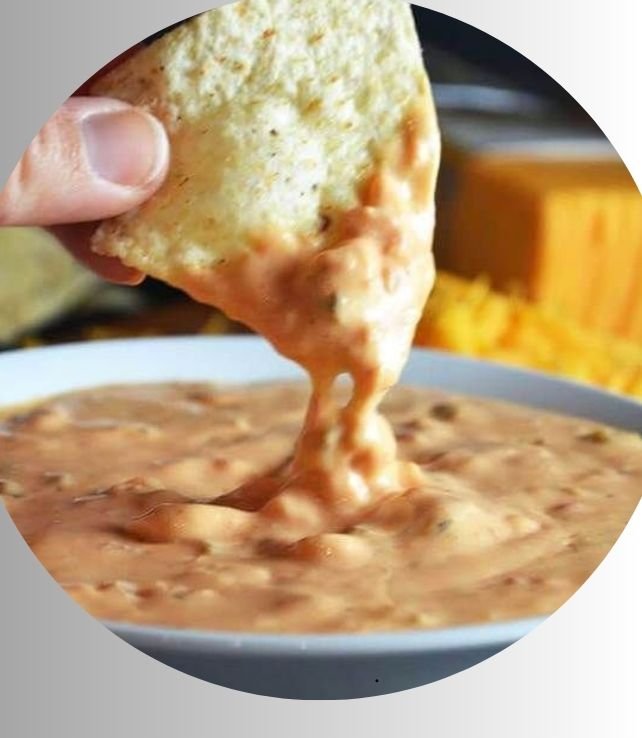
You know that moment when a dish is so specific to a place, you think you can only get it there? For years, I believed that about the queso from Cafe Rio. Its texture, a perfect balance between creamy and substantial, and its flavor, which is more than just melted cheese, kept me coming back. I wanted to understand it, to make it at home without the guesswork.
After testing batches in my own kitchen, comparing notes with culinary principles, and analyzing ingredients from a nutritional standpoint, I found a method that replicates that experience. This recipe breaks down the components and process to give you a result that is very close to the original. Below, you will find the complete recipe followed by a detailed analysis of why it works, how to adjust it, and what to do with it.
How to Make Cafe Rio Queso Recipe
This method uses a combination of stovetop cooking and blending to achieve the signature smooth, cohesive texture that defines this particular queso. The order of operations is important for preventing a grainy or separated sauce.
Recipe Details
- Prep Time: 10 minutes
- Cook Time: 15 minutes
- Servings: 8
- Course: Appetizer
- Cuisine: Tex-Mex
- Diet: Vegetarian
Ingredients
- 1 tablespoon neutral oil (like canola or avocado)
- 1/2 cup finely diced white onion
- 1 large jalapeño, seeds and ribs removed, finely diced
- 2 cloves garlic, minced
- 1 (4 oz) can diced green chiles, undrained
- 1 cup whole milk
- 3/4 cup half-and-half
- 1 tablespoon all-purpose flour
- 12 ounces white American cheese, torn or cut into small chunks
- 4 ounces Monterey Jack cheese, shredded
- 1/2 teaspoon ground cumin
- 1/4 teaspoon kosher salt, plus more to taste
- 1 Roma tomato, seeds removed, finely diced (for garnish)
- Fresh cilantro, chopped (for garnish)
Instructions
- Place a medium saucepan over medium heat. Add the oil. Once the oil shimmers, add the diced onion and jalapeño. Cook, stirring frequently, until the vegetables are soft and translucent, about 5 minutes. Add the minced garlic and cook for 1 more minute until fragrant.
- Add the can of diced green chiles with their liquid to the saucepan. Stir to combine and cook for another 2 minutes.
- Reduce the heat to medium-low. Sprinkle the tablespoon of flour over the vegetable mixture. Cook, stirring constantly, for about 90 seconds to cook out the raw flour taste. This creates a light roux.
- Slowly pour in the whole milk and half-and-half while whisking continuously to prevent any lumps from forming. Continue to whisk until the mixture begins to thicken slightly and steam, about 3-4 minutes. Do not let it boil.
- Begin adding the cheese a handful at a time, whisking constantly. Start with the white American cheese, allowing each addition to melt completely before adding the next. This gradual process is key for smoothness.
- Once the American cheese is fully incorporated, add the shredded Monterey Jack cheese, again whisking until completely smooth.
- Stir in the ground cumin and 1/4 teaspoon of kosher salt. Taste the queso and adjust salt if needed. Remember, the cheeses contain sodium.
- For an ultra-smooth texture, carefully transfer the queso to a blender. Blend on low for 15-20 seconds. Alternatively, use an immersion blender directly in the pot.
- Pour the queso into a serving bowl. Garnish with the diced Roma tomato and chopped fresh cilantro. Serve immediately.
Nutrition
- Calories: 320 kcal
- Protein: 16 g
- Fat: 24 g
- Carbohydrates: 8 g
- Sugar: 4 g
- Fiber: 1 g
- Sodium: 980 mg
- Cholesterol: 70 mg
Cooking Method
The primary cooking method is a modified stovetop roux-based sauce technique. It begins with sautéing aromatics (onion, jalapeño, garlic) to build a flavor base in fat. A small amount of flour is then cooked into this mixture to create a light roux, which acts as a stabilizer. Liquid dairy is incorporated to form a béchamel-like base, and finally, cheese is melted in gradually. The optional blending step emulsifies the fats and solids for a perfectly uniform texture.
Tools Needed
- Medium saucepan (3-quart works well)
- Sharp knife and cutting board
- Measuring cups and spoons
- Whisk
- Rubber spatula
- Blender or immersion blender (recommended for final texture)
Understanding the Ingredients: A Functional Analysis
This queso achieves its specific character through a careful selection of ingredients, each serving a distinct chemical and textural purpose. Swapping components without understanding their role can change the final product significantly.
The Cheese Foundation: American and Monterey Jack
White American cheese is not a single cheese but a processed blend, typically of cheddar, Colby, or other cheeses. Its manufacturing includes emulsifying salts, which prevent the proteins and fats from separating when melted. This gives the queso its supremely smooth, velvety, and stable base. Using only natural cheeses can lead to a greasy or grainy sauce.
Monterey Jack, a semi-hard cow’s milk cheese, is added for its mild, buttery flavor and excellent melting qualities. It introduces a more complex dairy note compared to the American cheese, preventing the flavor profile from being one-dimensional. A good quality Jack that shreds easily will integrate well.
The Aromatic Base: Onion, Jalapeño, and Garlic
Finely dicing the onion and jalapeño is important. Large pieces will interrupt the smooth mouthfeel. Cooking them until fully soft and translucent, a process called sweating, caramelizes their natural sugars slightly and removes raw, pungent flavors. This creates a sweet, mellow foundation. The garlic is added last to prevent burning, which introduces bitterness.
The canned diced green chiles are a non-negotiable element. They provide a specific, mild, tangy pepper flavor that is difficult to replicate with fresh peppers. Their added liquid also contributes to the overall moisture content of the sauce.
The Liquid Matrix: Milk, Half-and-Half, and the Roux
The combination of whole milk and half-and-half (which is roughly 12% milkfat) provides richness without the overwhelming heaviness of using all cream. The fat content carries flavor and contributes to a luxurious texture.
The single tablespoon of flour, cooked into a roux with the vegetable fats, is the unsung hero. It lightly thickens the liquid dairy before the cheese is added. This creates a supportive matrix that helps suspend the cheese fats and proteins, resulting in a cohesive sauce that holds its temperature well and is less prone to breaking.
Nutritional Perspective and Dietary Adaptations
From a dietary standpoint, this is a energy-dense food primarily providing fat, protein, and calcium. The portion size matters; a 1/4 to 1/3 cup serving is typical as part of a meal with other components like vegetables, beans, and lean proteins.
Macronutrient Breakdown and Considerations
The dominant macronutrient is fat, sourced from the dairy products. Dietary fat is essential for nutrient absorption (like fat-soluble vitamins) and satiety. The protein comes from the cheese and milk, offering casein and whey proteins which are slowly digested. The carbohydrate content is relatively low, originating from the lactose in dairy and the vegetables.
The sodium level is notable, as is common with cheese sauces and processed cheeses. For those monitoring sodium intake, using a lower-sodium American cheese (if available) and omitting the added salt can help. The fiber content is minimal, which is why pairing this with high-fiber foods like whole-grain tortilla chips, bell peppers, or black beans creates a more balanced nutritional profile.
Practical Dietary Modifications
Gluten-Free Adaptation
Replace the all-purpose flour with an equal amount of a gluten-free 1:1 baking flour blend or rice flour. Ensure the blend contains a starch like tapioca or potato, which mimics the thickening properties of wheat flour. Proceed with the recipe as directed.
Dairy-Free and Vegan Adaptation
This requires a complete reformulation. Start with a base of soaked raw cashews blended until perfectly smooth with water and a tablespoon of nutritional yeast for a cheesy note. For melting, use a commercial vegan cheese sauce or a blend of steamed potatoes, carrots, and vegan cheese shreds designed to melt. Sauté the aromatics in oil, then blend with the cashew base and melted vegan cheese alternative. The texture will be different but can be satisfying.
Lower-Fat Version
Use 2% milk instead of whole milk and replace the half-and-half with an equal amount of whole milk. Choose a reduced-fat American cheese and part-skim Monterey Jack. Be aware that reducing fat can impact the smoothness of the melt and the overall mouthfeel; the sauce may be thinner and less unctuous.
The Cultural and Culinary Context of Queso
Queso, specifically the Tex-Mex version served warm as a dip, has a distinct history separate from Mexican queso fundido. In Northern Mexico and South Texas, processed cheese like Velveeta was combined with canned tomatoes and chiles (notably Ro-Tel) to create a stable, creamy dip that became a staple at gatherings. Cafe Rio’s version sits within this tradition but refines it, using a roux base and fresh aromatics for a more complex flavor while maintaining the smooth, dippable texture that defines the category.
It is a dish born of convenience and adaptation, using both local ingredients (fresh peppers, onions) and shelf-stable commodities (canned chiles, processed cheese) to create something communal and appealing. Understanding this helps explain why certain ingredients are so effective; they are not arbitrary but are chosen for functional reliability.
Expert Techniques and Common Errors
Success with this recipe hinges on technique more than precise measurement. Avoiding a few key mistakes will ensure a perfect batch every time.
Controlling Heat and Preventing Breakage
The most frequent error is using too high a heat. Cheese sauces break when the proteins are heated too aggressively, causing them to tighten, squeeze out fat, and become grainy. After adding the dairy, maintain a gentle heat where you see steam and small bubbles at the edge, not a rolling boil. When adding cheese, keep the heat on low. If your sauce does begin to look oily or grainy, remove it from heat immediately and blend vigorously. Adding a spoonful of cold milk or cream while blending can sometimes help re-emulsify it.
The Importance of Gradual Incorporation
Adding all the cheese at once cools the base too quickly and creates a clumpy mass that melts unevenly. Adding it in small handfuls, waiting for each to fully melt and incorporate, maintains a consistent temperature and allows the emulsifiers in the cheese to work properly. Patience here is the difference between a silky sauce and a lumpy one.
Prepping Ingredients Before You Start (Mise en Place)
Have all your vegetables diced, cheese measured and ready, and dairy measured before you turn on the stove. The cooking process moves quickly once started, and you cannot step away to shred cheese while your roux is on the heat. This preparation prevents burning and ensures a smooth workflow.
Serving Suggestions, Pairings, and Storage
This queso is versatile. While tortilla chips are the classic vehicle, it also functions as a topping.
Optimal Serving and Food Pairings
Serve it warm in a bowl that retains heat, like a small ceramic crock. Beyond chips, consider it with:
- Crudité: Bell pepper strips, jicama sticks, or blanched broccoli florets.
- As a topping for baked potatoes or a sauce for steamed vegetables.
- Alongside other Tex-Mex components: spooned over burritos, enchiladas, or scrambled eggs.
- With protein: as a dip for grilled chicken skewers or shrimp.
The acidity and freshness of a pico de gallo or a simple lime-spiked cabbage slaw make excellent counterpoints to the richness of the cheese on a plate.
Storage and Reheating Instructions
Store cooled queso in an airtight container in the refrigerator for up to 4 days. Reheating requires care to restore the texture. The best method is on the stovetop over low heat, adding a small splash of milk or cream and whisking constantly until smooth. Microwave reheating is risky; use a microwave-safe bowl, heat in 30-second intervals on medium power, and stir vigorously between each interval. It may not return to its original perfectly smooth state but will still be flavorful.
I do not recommend freezing this queso. The dairy and emulsifiers can separate upon thawing and reheating, creating a watery and grainy texture that is difficult to correct.
The Science of a Stable Cheese Sauce
The stability of this sauce is a lesson in food science. The roux (flour cooked in fat) provides starch granules that swell when heated with liquid, thickening the milk base. The processed American cheese contains sodium citrate or phosphate, salts that act as emulsifiers. These molecules have one end that binds to water and another that binds to fat, preventing the two from separating.
When you gradually melt the cheese into the thickened milk base, these emulsifiers distribute throughout, creating a stable, homogeneous emulsion. The blending step at the end mechanically ensures this emulsion is complete, resulting in the signature glossy, smooth texture that holds for the duration of your meal.
Frequently Asked Questions
Can I use pre-shredded Monterey Jack cheese?
I do not recommend it. Pre-shredded cheeses are coated with anti-caking agents like cellulose or potato starch to prevent clumping. These coatings can interfere with smooth melting, potentially making your queso grainy or slightly gritty. Block cheese that you shred yourself will always integrate more smoothly.
What can I use instead of white American cheese?
The closest substitute is a homemade sodium citrate cheese sauce. Gently heat 1 cup of liquid (milk or beer) with 1 teaspoon of sodium citrate until dissolved. Gradually add 8 ounces of shredded sharp cheddar or Colby cheese, blending until smooth. This will mimic the texture but will have a stronger, sharper cheese flavor than the original recipe.
My queso is too thick. How can I thin it out?
Place it back over low heat and whisk in additional warm milk, half-and-half, or even a light broth, one tablespoon at a time, until it reaches your desired consistency. Add liquid slowly, as you can always add more but cannot remove it.
Can I make this recipe in a slow cooker?
Yes, but the method changes. Sauté the onions, jalapeño, and garlic in a pan first to develop flavor. Then transfer them to the slow cooker. Add all other ingredients except the garnish. Cook on LOW for 1-2 hours, stirring every 20-30 minutes until completely smooth. Keep on the WARM setting for serving.
Why is my queso stringy or rubbery?
A stringy texture often indicates the cheese was overheated or cooked for too long after melting. The proteins in the cheese have over-coagulated. Unfortunately, this is difficult to reverse. For future batches, melt the cheese over the lowest possible heat and serve it as soon as it is smooth.
How can I make it spicier?
For more heat, leave the seeds and ribs in the fresh jalapeño. You can also add a pinch of cayenne pepper or a few dashes of hot sauce (like Cholula or Tapatío) when adding the cumin. For a different flavor, add a small, finely diced serrano pepper with the jalapeño.
Is there a way to make this ahead of time for a party?
You can prepare it up to a day in advance. Follow the recipe, let it cool completely, and store it covered in the refrigerator. Reheat it gently on the stovetop with a little extra milk, using the method described in the storage section. It may require a brief blend with an immersion blender to restore perfect smoothness.
