
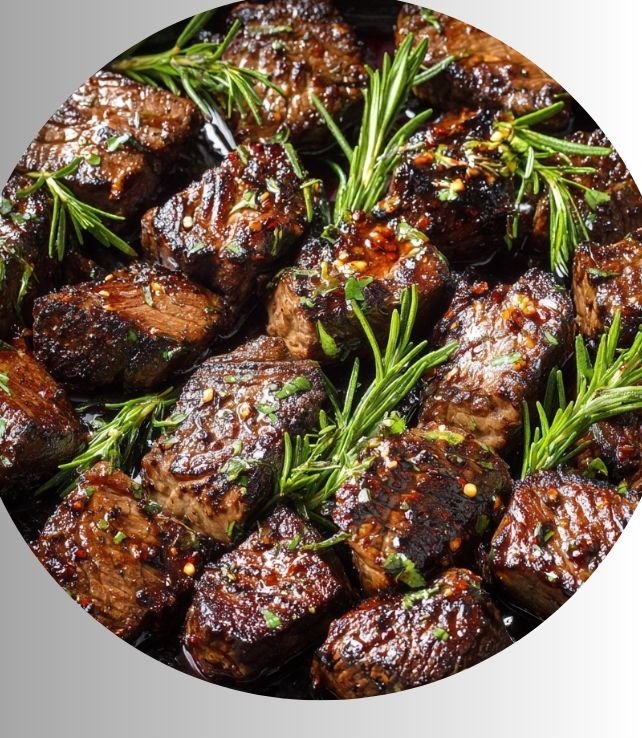
You might have a package of Beyond Steak Tips in your refrigerator right now, purchased with good intentions but now feeling like a puzzle. How do you transform these plant-based pieces into something that satisfies the memory of a classic, savory steak tip dinner? I understand that hesitation.
I recall a summer evening years ago, helping my grandfather prepare steak tips over a charcoal grill. The sizzle, the deep char, the aroma of garlic and smoke—it was a ritual. When I began focusing more on plant-based meals, I missed that specific experience. This recipe is the result of many tests in my kitchen to capture that essence, using modern ingredients to honor a traditional format.
This guide provides a complete method for preparing Beyond Steak Tips. You will learn how to cook them to achieve optimal texture and flavor, build a robust pan sauce, and understand the nutritional profile of your meal. This is more than a list of steps; it is a detailed explanation of the process from start to finish.
Understanding Beyond Steak Tips
Beyond Steak Tips are a plant-based product designed to mimic the texture and flavor of seared beef tips. The primary ingredients typically include water, pea protein, expeller-pressed canola oil, and natural flavors. Unlike whole-food options like portobello mushrooms or cauliflower steaks, this is a formulated product, which means it has specific cooking requirements to perform well.
From a dietary perspective, these tips offer a source of plant-based protein and iron. They are designed to be a direct replacement in recipes that traditionally use beef, making the transition to eating less meat more straightforward for many people. It is important to manage expectations: they will not taste exactly like beef, but they can create a very satisfying, umami-rich centerpiece for a meal.
Key Attributes and Cooking Science
The structure of plant-based meat alternatives relies on protein networks and fats. Overcooking can cause these proteins to tighten excessively and the product to become tough or dry. The goal is to achieve a thorough internal heat to set the texture while creating a substantial sear on the exterior for flavor.
These tips often contain a small amount of beet juice extract or similar ingredients for color. This is purely visual and does not affect taste. The flavor foundation comes from a blend of yeast extracts, spices, and vegetable concentrates that create a savory, meaty profile.
How to Make Beyond Steak Tips Recipe
This method uses a skillet to develop a deep sear and builds a simple, flavorful pan sauce using the browned bits left behind. The technique maximizes the potential of the product.
Recipe Details
- Prep Time: 10 minutes
- Cook Time: 20 minutes
- Servings: 3-4
- Course: Main Course
- Cuisine: American
- Diet: Plant-Based
Ingredients
- 1 (10 oz) package Beyond Steak Tips
- 1 tablespoon neutral high-heat oil (like avocado or refined coconut oil)
- 1 medium yellow onion, sliced
- 3 cloves garlic, minced
- 1 cup vegetable broth, divided
- 2 tablespoons soy sauce or tamari
- 1 tablespoon Worcestershire sauce (ensure it is vegan if needed)
- 1 tablespoon tomato paste
- 1 teaspoon smoked paprika
- 1 tablespoon all-purpose flour (or a gluten-free 1:1 blend)
- 1 tablespoon vegan butter (optional, for richness)
- Salt and black pepper to taste
- Fresh parsley, chopped (for garnish)
Instructions
- Remove the Beyond Steak Tips from the package and pat them dry with a paper towel. Allow them to sit at room temperature for 5-10 minutes.
- Heat the oil in a large cast-iron or stainless-steel skillet over medium-high heat. Once the oil is shimmering, add the tips in a single layer, ensuring they are not crowded. Sear without moving for 3-4 minutes to develop a brown crust.
- Flip each piece and sear the other side for another 3 minutes. Transfer the seared tips to a plate. They will not be fully cooked through at this stage.
- Reduce the heat to medium. Add the sliced onion to the same skillet. Cook, stirring occasionally, for 4-5 minutes until softened and beginning to brown. Add the minced garlic and cook for 1 minute until fragrant.
- Push the onions and garlic to the side of the skillet. Add the tomato paste and smoked paprika to the center. Cook for 1 minute to deepen their color and flavor.
- Sprinkle the flour over the tomato paste mixture and stir continuously for 1 minute to form a roux. This will thicken the sauce.
- Gradually pour in about half of the vegetable broth while scraping the bottom of the pan vigorously to dissolve all the browned bits (fond). Once incorporated, add the remaining broth, soy sauce, and Worcestershire sauce. Stir until the sauce is smooth and begins to simmer and thicken.
- Return the seared Beyond Steak Tips and any accumulated juices to the skillet. Reduce the heat to medium-low. Simmer gently for 5-7 minutes, allowing the tips to finish cooking through and absorb the sauce’s flavor. Stir in the vegan butter at the end, if using.
- Taste the sauce and adjust seasoning with salt and pepper. Garnish with fresh parsley before serving.
Nutrition
- Calories: ~280 kcal
- Protein: 22 g
- Fat: 14 g
- Carbohydrates: 15 g
- Sugar: 4 g
- Fiber: 4 g
- Sodium: 950 mg
- Cholesterol: 0 mg
Note: Nutritional values are estimates based on the specific ingredients listed and can vary by brand.
Cooking Method
The primary cooking method for this recipe is pan-searing followed by simmering. Searing in a hot skillet is non-negotiable for developing the Maillard reaction, a chemical process that creates complex, savory flavors and a desirable texture. The subsequent simmering in the sauce gently finishes the cooking process without drying out the tips, allowing them to become tender and infused with the sauce’s flavor.
Tools Needed
- Large skillet (cast iron or stainless steel recommended)
- Sharp knife and cutting board
- Spatula or tongs
- Measuring spoons and cups
- Small whisk or fork for stirring sauce
Ingredient Analysis and Substitutions
Each component in this recipe serves a specific purpose, from building flavor to creating the correct sauce consistency. Understanding this allows for successful adaptations.
Core Components
Beyond Steak Tips
This is the central ingredient. The key to success is proper searing. Do not thaw frozen tips; cook them directly from frozen, adding a few minutes to the searing time. Patting them dry is crucial for a good sear, as excess surface moisture will cause steaming.
The Aromatics: Onion and Garlic
Yellow onion provides a sweet, savory base. A white onion can be used for a sharper note, or a red onion for a milder, slightly sweeter flavor. The garlic should be added after the onions soften to prevent it from burning and becoming bitter.
The Sauce Foundation
Vegetable broth forms the liquid base. A mushroom broth will add a deeper umami character. Soy sauce or tamari provides saltiness and savoriness. For a gluten-free version, use tamari or a certified gluten-free soy sauce. The Worcestershire sauce adds acidity and complexity; check the label for anchovies if you require a strictly vegan product.
Tomato paste and smoked paprika contribute color, sweetness, and a smoky depth. The flour is used to thicken the sauce into a gravy-like consistency. For a gluten-free version, use an equal amount of a starch like cornstarch or arrowroot powder, but mix it with a little cold broth before adding to avoid clumps.
Nutritional Breakdown and Dietary Context
Analyzing this meal from a dietary perspective clarifies its role in a balanced eating pattern.
A serving provides a substantial amount of plant-based protein, approximately 22 grams, primarily from pea protein. This macronutrient supports muscle maintenance and promotes satiety. The fat content, around 14 grams, comes largely from the oils used in the product and cooking, contributing to the mouthfeel and helping absorb fat-soluble vitamins.
The carbohydrate content is moderate and comes from the onions, thickener, and small amounts within the steak tips themselves. The fiber, about 4 grams per serving, supports digestive health. The sodium level is notable, as processed plant-based meats and sauces like soy sauce contribute significantly. Individuals monitoring sodium intake can use low-sodium broth and reduced-sodium soy sauce.
This recipe is inherently cholesterol-free and can be made gluten-free with the substitutions noted. It is suitable for vegan and vegetarian diets.
Dietary Adaptations
This recipe is flexible. Here are specific modifications for common dietary needs.
- Gluten-Free: Use tamari instead of soy sauce, ensure your Worcestershire sauce is gluten-free, and substitute the all-purpose flour with 2 teaspoons of cornstarch mixed with 2 tablespoons of cold broth.
- Soy-Free: Replace soy sauce with coconut aminos. Verify that the Beyond Steak Tips and Worcestershire sauce do not contain soy derivatives.
- Lower Sodium: Utilize low-sodium vegetable broth and reduced-sodium soy sauce. You can increase flavor with additional black pepper, a pinch of dried thyme, or a splash of red wine vinegar at the end.
- Oil-Free: For searing, use a high-quality non-stick pan and a few tablespoons of vegetable broth or water. You will need to add liquid frequently to prevent sticking and will not achieve the same level of browning.
Cultural and Historical Context of Steak Tips
The concept of “steak tips” is deeply rooted in American culinary tradition, particularly in the Northeast. They are typically cuts like sirloin flap meat or tenderloin tips, trimmed and marinated, then grilled or broiled. The dish is informal, often associated with family barbecues, casual restaurants, and pub food.
This recipe represents an evolution of that tradition. It uses contemporary food technology to recreate the experience within different dietary frameworks. It speaks to a growing desire for familiar formats that align with plant-forward eating, a trend that has accelerated in the last decade. This is less about replicating history exactly and more about adapting a culinary idea for modern kitchens and preferences.
Common Mistakes and Expert Tips
Avoiding a few key errors will dramatically improve your results.
- Crowding the Pan: Adding too many tips at once lowers the pan temperature, causing them to steam and boil in their own moisture instead of searing. Cook in batches if necessary.
- Moving the Tips Too Soon: Allow a full crust to form before flipping. If they stick, they are not ready; they will release naturally once seared.
- Overcooking During Simmer: The simmering time is to heat the tips through and coat them in sauce. Prolonged boiling can make them rubbery.
- Not Scraping the Fond: The browned bits left after searing are packed with flavor. Deglazing the pan thoroughly is essential for a rich sauce.
- Tip for Extra Flavor: After removing the seared tips, deglaze the pan with 2 tablespoons of red wine or balsamic vinegar before adding the onions. Let it reduce almost completely to add a layer of acidity and complexity.
Serving, Pairing, and Storage
This dish is versatile and stores well, making it practical for weekly meals.
Serving Suggestions
Serve the tips and sauce directly from the skillet. They pair classically with mashed potatoes, which absorb the sauce well, or with a hearty grain like farro or quinoa. For a lighter option, serve over a bed of steamed spinach or kale, or alongside roasted vegetables like broccoli, carrots, or Brussels sprouts.
Storage and Reheating
Store leftovers in an airtight container in the refrigerator for up to 3 days. The sauce may thicken when cold. Reheat gently in a covered skillet over low heat, adding a small splash of broth or water to loosen the sauce. Microwaving is possible but can sometimes alter the texture of the tips, making them slightly chewier.
I do not recommend freezing the fully assembled dish, as the texture of the Beyond Steak Tips can become mealy upon thawing and reheating.
Frequently Asked Questions
Can I cook Beyond Steak Tips from frozen?
Yes. Add them directly to the hot oil. Extend the initial searing time by 2-3 minutes per side to ensure they are heated through and properly browned before proceeding with the recipe.
Why are my tips tough or rubbery?
This is usually caused by overcooking. The searing time should be just long enough to create a crust, and the simmering time should be kept to the minimum required to heat them through and combine with the sauce. Avoid high heat during the simmering stage.
What can I use instead of flour to thicken the sauce?
For a gluten-free thickener, mix 2 teaspoons of cornstarch or arrowroot powder with 2 tablespoons of cold broth until smooth. Add this slurry to the simmering sauce after you’ve added the liquids and stir until thickened.
Is this recipe suitable for meal prep?
It is excellent for meal prep. Prepare the recipe completely, let it cool, and divide it into containers with your chosen sides. Reheat as described in the storage section. The flavors often deepen after a day in the refrigerator.
Can I make this in an air fryer?
You can air-fry the tips for the initial cook. Toss them with a little oil and air fry at 375°F for 8-10 minutes, shaking halfway. You will then need to make the sauce separately in a skillet, using broth to deglaze, and combine the cooked tips with the finished sauce to simmer briefly.
How does the protein compare to beef steak tips?
The protein content is comparable to a similar serving of lean beef. The primary difference is the source: this recipe uses plant-based pea protein, while beef provides complete protein from animal tissue. Both can contribute to meeting daily protein requirements.
My sauce tastes flat. How can I fix it?
Balance is key. If the sauce lacks depth, a teaspoon of nutritional yeast can add savoriness. If it needs brightness, a squeeze of fresh lemon juice or a dash of red wine vinegar at the end can help. Always season with salt and pepper at the final stage, after the sauce has reduced.
