
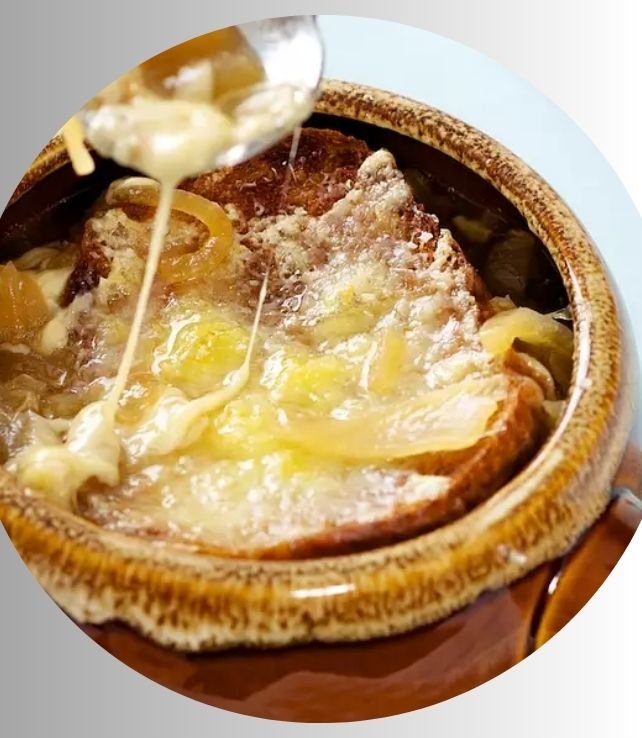
I first tasted this soup on a cold evening after a long day, and the memory of that rich, savory broth and the stretch of melted cheese has stayed with me for years. The experience of a restaurant-quality bowl of soup at home can feel out of reach, but I have worked to deconstruct that exact flavor profile. This guide provides the method to replicate the Applebee’s French Onion Soup recipe in your own kitchen.
You will find a complete, tested recipe alongside a deep analysis of its ingredients, nutritional science, and culinary history. My goal is to provide every piece of information you might need, from selecting the right onions to understanding the soup’s place in food culture.
What Makes Applebee’s French Onion Soup Recipe So Special?
The distinct character of this particular soup comes from a precise balance of sweetness, savoriness, and texture. It is not merely a broth with onions; it is a layered construction. The foundation is a deeply caramelized onion base, which provides a natural sweetness that counters the robust beef stock.
What sets it apart from other versions is the specific combination of cheeses and the method of broiling the final product. The iconic cheese crust, a blend of provolone and parmesan, creates a sealed layer that traps steam, gently melting the cheese into the broth below while forming a crisp, golden top. This textural contrast is a signature of the dish.
The Role of Caramelized Onions
Caramelizing onions is the most critical step, and it is a process of patience, not haste. It involves slowly cooking sliced onions to break down their natural sugars. This transformation is not about browning them quickly over high heat, which leads to burning and bitterness.
True caramelization is a gradual Maillard reaction that develops complex, sweet, and nutty flavors. For this recipe, using a mix of yellow and sweet onions can create a more nuanced flavor base than a single type.
Controlling Color and Flavor
The color of your onions is a direct indicator of flavor. A pale golden yellow will offer a mild sweetness. For a soup base that mimics the depth of the restaurant version, you must aim for a deep, uniform amber color. This deeper color translates to a richer, more profound flavor that can stand up to the strong beef stock and cheese.
How to Make Applebee’s French Onion Soup Recipe
Recipe Details
- Prep Time: 20 minutes
- Cook Time: 1 hour 30 minutes
- Servings: 4
- Course: Appetizer, Main Course
- Cuisine: French-American
- Diet: Vegetarian (with adaptations)
Ingredients
- 4 large yellow onions, thinly sliced
- 2 tablespoons unsalted butter
- 2 tablespoons olive oil
- 1 teaspoon granulated sugar
- 4 cloves fresh garlic, minced
- 2 stalks celery, finely chopped
- 8 cups beef broth
- 2 tablespoons all-purpose flour
- 1 tablespoon Worcestershire sauce
- 1 bay leaf
- 1 teaspoon black pepper
- 4 slices of fresh bread, such as a baguette, toasted
- 4 slices provolone cheese
- 1 teaspoon parmesan cheese, grated
Instructions
- In a large stockpot or Dutch oven, heat butter and olive oil over medium-low heat.
- Add the sliced onions and stir to coat. Cook for 10 minutes, stirring occasionally, until they begin to soften.
- Sprinkle the sugar over the onions. This accelerates caramelization. Continue cooking for 30 to 45 minutes, stirring every few minutes, until the onions are a deep golden brown. Do not rush this step.
- Add the minced garlic and chopped celery. Cook for another 3 minutes until fragrant.
- Sprinkle the flour over the onion mixture and stir continuously for 2 minutes to cook out the raw flour taste.
- Slowly pour in the beef broth while stirring to prevent lumps from forming.
- Add the Worcestershire sauce, bay leaf, and black pepper. Bring the soup to a simmer.
- Reduce the heat to low, cover, and let it simmer for at least 30 minutes to allow the flavors to meld. Remove the bay leaf before serving.
- While the soup simmers, toast your bread slices until crisp.
- Preheat your oven’s broiler. Ladle the hot soup into four oven-safe bowls.
- Place one piece of toast on top of the soup in each bowl.
- Top each bowl with one slice of provolone cheese and a sprinkle of parmesan cheese.
- Carefully place the bowls on a baking sheet and put them under the broiler. Broil for 2-4 minutes, watching closely, until the cheese is bubbly and spotted with brown.
- Remove from the oven with care, as the bowls will be extremely hot. Let stand for a few minutes before serving.
Nutrition
- Calories: 420 kcal
- Protein: 18 g
- Fat: 22 g
- Carbohydrates: 38 g
- Sugar: 12 g
- Fiber: 4 g
- Sodium: 1800 mg
- Cholesterol: 35 mg
Cooking Method
The primary method for this dish is a combination of stovetop simmering and oven broiling. The soup base is entirely developed on the stovetop, which allows for precise control over the caramelization of the onions and the reduction of the broth. The final stage employs a dry-heat broiling method to rapidly melt and brown the cheese topping, creating the necessary textural contrast without further cooking the soup itself.
Tools Needed
- Large stockpot or Dutch oven
- Sharp chef’s knife
- Cutting board
- Wooden spoon or spatula
- Ladle
- Oven-safe soup bowls
- Baking sheet
Ingredient Analysis and Selection
Every component in this recipe serves a specific functional and flavor purpose. Substituting without understanding these roles can alter the final result significantly.
Onions: The Foundation of Flavor
The type of onion you choose is the first major decision. Yellow onions are the standard for French onion soup due to their high sugar content and pungent flavor that mellows beautifully with long cooking. Sweet onions, like Vidalia or Walla Walla, can be used for a milder, sweeter result, but they contain more water and may require a slightly longer cooking time to achieve proper caramelization.
The Soup Base Construction
The soup base is more than just broth. It is an emulsion of fat, flour, and liquid. The butter and oil provide the cooking medium and richness. The flour, added directly to the cooked onions, creates a roux that thickens the soup slightly, giving it a more substantial body than a clear broth. The beef broth is non-negotiable for an authentic taste; its umami depth is the counterpoint to the sweet onions. A low-sodium version is recommended to maintain control over the final salt level.
Cheese Topping: A Study in Melt and Flavor
The cheese is not merely a garnish; it is a structural component. Provolone cheese is chosen for its excellent melting qualities and mild, slightly smoky flavor. It creates the iconic stretchy, molten layer. The parmesan cheese, while used in a smaller quantity, contributes a sharp, salty, nutty complexity and helps the top achieve a better brown color under the broiler.
Nutritional Breakdown
From a dietary perspective, this is a hearty dish. The primary sources of calories are the fats from the butter, oil, and cheese, and the carbohydrates from the onions and bread. The protein content is moderate, coming from the beef broth and cheese.
The most significant nutritional consideration is sodium. Between the broth, Worcestershire sauce, and cheese, the sodium content is high. Using a low-sodium beef broth is the most effective way to manage this. The onions and celery provide some dietary fiber and micronutrients, but the dish is not a significant source of vitamins on its own.
Managing Macronutrients
For those monitoring intake, adjustments can be made. The fat content can be slightly reduced by using less butter or a light olive oil. The carbohydrates are primarily from the bread and the natural sugars in the onions; using a whole-grain bread or reducing the bread portion can alter this. The protein level is relatively fixed but can be supplemented by adding a lean protein like shredded chicken to the soup, transforming it into a more complete meal.
Dietary Adaptations
This recipe can be modified to suit various dietary needs without sacrificing its core identity.
Gluten-Free Version
To make this soup gluten-free, two changes are required. First, substitute the all-purpose flour with a gluten-free 1:1 baking blend or cornstarch. If using cornstarch, make a slurry with cold water before adding it to the soup to prevent clumping. Second, ensure your bread and Worcestershire sauce are certified gluten-free.
Vegan and Dairy-Free Version
Creating a plant-based version involves more significant swaps but is entirely possible. Use olive oil or vegan butter to caramelize the onions. Replace the beef broth with a rich, dark vegetable broth, perhaps one with mushroom base for depth. For the cheese, use high-quality vegan provolone or mozzarella-style slices that are designed to melt. Nutritional yeast can be sprinkled on top to mimic the parmesan’s savory quality.
Low-Sodium Adaptation
As mentioned, start with a no-salt-added or low-sodium beef broth. Omit the added salt during cooking. The Worcestershire sauce contributes sodium, so you may reduce the quantity or find a low-sodium alternative. The flavor will then rely more heavily on the natural sweetness of the onions and the savoriness of the broth.
Cultural and Historical Context
French onion soup, or *Soupe à l’oignon gratinée*, has humble origins as a staple for the working-class people of Paris in the 18th century. Onions were inexpensive and plentiful, making the dish accessible. The modern version, topped with bread and cheese and broiled, became popular in the Les Halles market district, where it was served to late-night workers and patrons as a restorative meal.
Applebee’s adaptation is a classic example of how a traditional dish is interpreted within the American casual dining context. It retains the essential elements—the deeply flavored broth, the caramelized onions, the bread, and the cheese crust—while standardizing the process for mass production and a national palate that expects consistency.
Common Mistakes and Expert Tips
Avoiding these common errors will dramatically increase your success rate and the quality of your final dish.
Rushing the Onions
The single greatest error is impatience during the caramelization stage. Cooking onions over high heat will sauté or fry them, not caramelize them. This results in a sharp, acidic flavor and a lack of the necessary sweetness. Commit to the 45-minute process over low to medium-low heat.
Using the Wrong Bowls
Not all soup bowls are designed to withstand the intense direct heat of a broiler. Using a bowl that is not oven-safe can lead to cracking or shattering, which is dangerous. Always confirm that your bowls are rated for broiler use before you begin.
Neglecting the Roux
Adding the flour to the onions and cooking it for a full two minutes is crucial. This step cooks the raw taste out of the flour. If you skip this or do not cook it long enough, your soup can have a pasty, uncooked flour flavor that is difficult to correct.
Making it Ahead
This soup is an excellent candidate for preparing in advance. You can complete the entire soup base, through the simmering stage, and store it in the refrigerator for up to 3 days. The flavors often improve during this time. When ready to serve, reheat the soup on the stovetop and then proceed with the toasting and broiling steps.
Serving, Pairing, and Storage
This soup is substantial enough to be a main course, especially when served with a side salad. As an appetizer, it sets a rich and satisfying tone for the meal.
For pairing, the soup’s robust, savory, and slightly sweet profile pairs well with beverages and foods that can cut through its richness. A dry hard cider, a lager, or a glass of dry red wine like a Beaujolais are classic beverage matches. In terms of food, a simple green salad with a vinaigrette dressing provides a refreshing contrast. It is a common item on a menu that also features a classic burger, as both share that comforting, hearty quality.
Storage and Reheating Instructions
Store any leftover soup base (without the bread and cheese) in an airtight container in the refrigerator for 3-4 days. For longer storage, it freezes well for up to 3 months. Thaw overnight in the refrigerator before reheating.
To reheat, place the desired amount of soup base in a saucepan over medium heat until hot. The bread and cheese topping should always be added fresh. Assembled bowls do not store or reheat well, as the bread becomes soggy and the cheese texture changes.
The Science of Caramelization
Caramelization is a form of non-enzymatic browning. It occurs when sugars are heated to high temperatures, around 320°F (160°C). As the onions cook and their cell walls break down, their natural sucrose sugars break down into glucose and fructose. These simpler sugars then undergo a complex series of reactions, producing hundreds of different flavor compounds, including those that give caramelized onions their characteristic sweet, nutty, and slightly bitter notes. This is a different process from the Maillard reaction, which involves reactions between sugars and amino acids, though the two often occur simultaneously in cooking.
Frequently Asked Questions
What is the key to getting the onions perfectly caramelized?
Time and temperature are the most important factors. Cook the onions slowly over medium-low to low heat for 45 minutes to an hour. Stir them regularly to prevent burning, but allow them to sit long enough to develop brown color on the bottom of the pot. A pinch of sugar can help kickstart the process.
Can I use a different type of cheese?
While provolone and parmesan are the classic combination for this recipe, other cheeses that melt well can be used. Gruyère is the traditional cheese for French onion soup and provides a more complex, nutty flavor. Swiss or mozzarella can also work, though the flavor profile will shift.
Why is my soup broth watery?
A watery broth usually indicates that the roux was not properly formed or that the soup did not simmer long enough to reduce slightly. Ensure you cook the flour with the onions for a full two minutes before adding the broth, and allow the soup to simmer uncovered for the last 10-15 minutes if it needs to thicken further.
How can I make this recipe in a slow cooker?
You can partially use a slow cooker. First, you must caramelize the onions on the stovetop; a slow cooker will not get hot enough to do this effectively. After the onions are caramelized, transfer them to the slow cooker, add the remaining soup ingredients (except bread and cheese), and cook on low for 6-8 hours. Finish with the bread and cheese under the broiler.
Is there a way to reduce the sodium in this dish?
Yes. The most effective method is to use a no-salt-added beef broth. You can also omit any added salt and reduce the amount of Worcestershire sauce, compensating with a dash of red wine vinegar for acidity. Be aware that the cheese also contributes a significant amount of sodium.
My cheese slid off the bread into the soup. How do I prevent this?
This happens if the bread is too small or if the cheese overhangs the bread and touches the hot soup directly, causing it to melt too quickly. Use a piece of bread that fits snugly within the bowl, covering the surface of the soup. Ensure the cheese is placed directly on top of the bread, not on the rim of the bowl.
Can I use pre-shredded cheese?
It is not recommended. Pre-shredded cheese is coated with anti-caking agents like potato starch or cellulose, which prevent it from clumping in the bag but also inhibit smooth melting. This can result in a grainy or greasy texture. For the best melt and stretch, always shred your own cheese from a block.
