
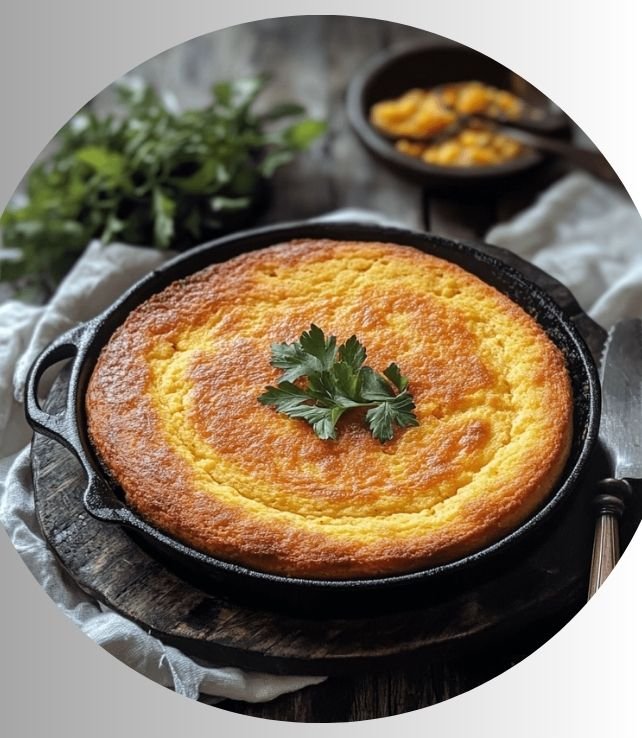
There is a specific sound a wooden pick makes when you pull it from the center of a perfectly baked cornbread. It is a soft, clean pull, a sound that tells you the structure is set, the crumb is tender, and a piece of your kitchen’s history is ready to be served. For me, that sound is tied to the Albers recipe printed on the side of the yellow cornmeal box.
This recipe is a cornerstone of American home baking, a formula that has been passed down through generations not in handwritten cookbooks, but through a trusted brand. It represents a specific type of cornbread—sweet, cake-like, and reliably golden. In this guide, I will walk you through the original method, then provide the deep culinary and nutritional context to make it your own.
You will find the complete, tested recipe below, followed by a comprehensive analysis of its ingredients, science, and cultural significance.
How to Make Albers Cornbread Recipe
This section provides the original formula for Albers cornbread. The instructions are precise, but I have integrated my own tested tips into the steps to ensure your success.
Recipe Details
- Prep Time: 10 minutes
- Cook Time: 25 minutes
- Servings: 9
- Course: Side Dish
- Cuisine: American
- Diet: Vegetarian
Ingredients
- 1 1/2 cups Albers Yellow Corn Meal
- 1/2 cup all-purpose flour
- 2 teaspoons baking powder
- 1/2 teaspoon salt
- 1/3 cup granulated sugar
- 1 1/4 cups milk
- 1 large egg
- 1/3 cup vegetable oil or melted butter
Instructions
- Begin by preheating your oven to 400°F (200°C). This high initial heat is critical for creating a good rise and a crisp crust.
- Take an 8-inch square baking pan and grease it thoroughly. You can use butter, oil, or a non-stick cooking spray to prevent sticking.
- In a large mixing bowl, combine the dry ingredients: 1 1/2 cups corn meal, 1/2 cup flour, 2 teaspoons baking powder, 1/2 teaspoon salt, and 1/3 cup sugar. Use a whisk to blend them evenly. This aerates the mixture and prevents clumps of baking powder.
- In a separate small bowl, whisk together the wet ingredients: 1 1/4 cups milk, 1 large egg, and 1/3 cup oil. Whisk until the egg is fully incorporated and the mixture is smooth.
- Pour the wet mixture into the dry ingredients. Stir with a spoon or spatula until just combined. The batter will be slightly lumpy; over-mixing will develop gluten in the flour and lead to a tough texture.
- Immediately transfer the batter to your prepared baking pan, spreading it into an even layer.
- Place the pan in the preheated oven and bake for 20 to 25 minutes. The bread is done when the top is golden brown and a wooden pick inserted into the center comes out clean.
- Allow the cornbread to cool in the pan for at least 10 minutes before slicing and serving.
Nutrition
- Calories: 235 kcal
- Protein: 5 g
- Fat: 9 g
- Carbohydrates: 34 g
- Sugar: 10 g
- Fiber: 2 g
- Sodium: 280 mg
- Cholesterol: 25 mg
Cooking Method
The primary method used here is baking. The chemical leavening from the baking powder creates carbon dioxide bubbles when hydrated and heated, causing the bread to rise. The high oven temperature sets the structure quickly and promotes Maillard browning, which develops flavor and color on the crust.
Tools Needed
- 8-inch square baking pan
- Two mixing bowls (one large, one small)
- Whisk
- Spatula or wooden spoon
- Measuring cups and spoons
- Oven
The Foundation: Understanding Your Ingredients
Every component in this formula has a specific role. Understanding these roles allows you to make informed substitutions and troubleshoot any issues that arise.
Albers Yellow Corn Meal
This is the soul of the dish. Albers corn meal is typically a medium grind, which provides a pleasant texture without being gritty. It is made from dried yellow dent corn, which has a higher starch content than flint corn. This starch contributes to the bread’s soft, tender crumb. The brand’s consistency is a key reason this recipe has remained popular for so many years.
The Role of All-Purpose Flour
While corn meal provides flavor and texture, it lacks gluten-forming proteins. Adding all-purpose flour introduces gluten, which gives the bread necessary structure and prevents it from being too crumbly. The small amount used here strikes a balance, providing stability while keeping the focus on the corn.
Baking Powder as the Leavening Agent
This is a “quick bread,” meaning it relies on chemical leavening rather than yeast. Baking powder is a double-acting agent. It first reacts when mixed with the liquid in the batter, and then again when exposed to the heat of the oven. This dual action ensures a consistent and reliable rise.
Sweetness and Moisture Sources
The granulated sugar does more than just sweeten. It tenderizes the crumb by hindering gluten development and contributes to browning. The milk and egg provide hydration, fat, and protein, which enrich the bread and contribute to its moist, cake-like quality. Using melted butter instead of oil will impart a richer, more nuanced flavor.
Nutritional Analysis of Cornbread
As a dietary expert, I find it useful to view foods through a nutritional lens. This cornbread recipe provides energy primarily from carbohydrates.
Macronutrient Profile
The main macronutrients are carbohydrates from the corn meal, flour, and sugar. There is a moderate amount of fat from the oil or butter, which also aids in the absorption of fat-soluble vitamins. The protein content is modest, coming from the milk, egg, and flour.
Dietary Fiber and Micronutrients
Corn meal is a source of insoluble fiber, which supports digestive health. It also contains some B vitamins, iron, and magnesium. The exact micronutrient profile can vary depending on whether the corn meal is enriched.
Balancing Your Meal
This cornbread is a carbohydrate-rich side dish. To create a balanced plate, pair it with a source of lean protein and non-starchy vegetables. A classic pairing like a bowl of chili or a hearty soup achieves this balance naturally.
Customizing the Recipe for Dietary Needs
The standard recipe is versatile and can be adapted to meet various dietary requirements without sacrificing quality.
Gluten-Free Adaptation
To make this recipe gluten-free, replace the all-purpose flour with a 1:1 gluten-free baking blend. Ensure the blend contains a binder like xanthan gum. The result will be slightly more crumbly but still very good.
Dairy-Free and Vegan Variations
For a dairy-free version, use an unsweetened plant-based milk like almond or oat milk. For a fully vegan cornbread, replace the egg with a “flax egg” (1 tablespoon ground flaxseed mixed with 3 tablespoons water, let sit for 5 minutes) and use a plant-based oil instead of butter.
Reducing Sugar and Fat
If you prefer a less sweet bread, you can reduce the sugar to 2-3 tablespoons. The texture will be slightly less tender. To lower the fat, you can replace the oil with an equal amount of unsweetened applesauce, though the crust will be softer.
The History and Cultural Place of Cornbread
Cornbread’s story is deeply woven into the fabric of American history. Indigenous peoples across the Americas were making bread from ground corn long than European contact. The specific style of sweet, cake-like cornbread, as seen in the Albers recipe, is more characteristic of the Northern United States.
Southern cornbread traditions typically use little to no sugar and often include buttermilk, resulting in a tangier, less cake-like product. The Albers formula represents a more universal, all-purpose style that gained widespread popularity through the marketing and distribution of branded corn meals in the 20th century. It became a reliable, easy-to-make staple for home cooks.
Achieving Perfect Results: Common Mistakes and Solutions
Even a simple recipe can have pitfalls. Here are the most common issues and how to avoid them.
Dense or Gummy Texture
This is almost always caused by over-mixing the batter. Once the wet and dry ingredients are combined, stir only until the flour is moistened. A few lumps are acceptable. Over-mixing develops gluten, leading to a tough, bread-like texture instead of a tender crumb.
Cornbread is Too Dry
Dryness can result from over-baking. Oven temperatures can vary, so start checking for doneness at the 20-minute mark. Using a wooden pick to test the center is the most reliable method. Another cause is measuring the flour incorrectly. Spoon the flour into the measuring cup and level it off; scooping directly packs the flour down, adding too much.
Pale Crust and Lack of Rise
Ensure your oven is fully preheated before putting the pan in. A properly hot oven is necessary for the initial “oven spring” that gives the bread its lift. Also, check the expiration date on your baking powder. Old leavening agents lose their potency and will result in a flat product.
Serving, Pairing, and Storing Your Cornbread
This bread is incredibly versatile and can be enjoyed in numerous contexts beyond the classic chili pairing.
Ideal Food Pairings
Its inherent sweetness makes it a fantastic companion for spicy and savory dishes. It is excellent with barbecue, Brunswick stew, black bean soup, or a simple pot of pinto beans. For a morning meal, a square warmed and drizzled with maple syrup can be a treat.
Best Practices for Storage
Cornbread is best eaten the day it is made. To store, cool it completely, then wrap it tightly in plastic wrap or place it in an airtight container at room temperature for up to two days. For longer storage, freeze it. Wrap individual slices in plastic wrap and place them in a freezer bag for up to three months. Thaw at room temperature or warm gently in an oven or toaster oven.
The Science of Baking Powder and Heat
The transformation of this simple batter into a light, porous bread is a lesson in kitchen chemistry. Baking powder contains sodium bicarbonate (a base) and one or more acid salts (like cream of tartar). When liquid is added, these compounds dissolve and react, producing carbon dioxide gas bubbles.
This initial reaction is mild. The second, more powerful reaction occurs when the batter reaches a certain temperature in the oven. The heat causes the remaining acid salts to react with the bicarbonate, producing a second burst of gas. This “double-acting” process ensures the bread rises steadily and does not collapse.
Frequently Asked Questions
What is the difference between Albers cornbread and Southern cornbread?
The primary difference is the sugar content. Albers cornbread contains a significant amount of sugar, resulting in a sweet, cake-like texture. Traditional Southern cornbread uses little to no sugar and often includes buttermilk, yielding a savory, tangy, and crumbly bread.
Can I use white cornmeal instead of yellow?
Yes, you can substitute Albers White Corn Meal directly for the yellow corn meal. The flavor is nearly identical, though some find white cornmeal to have a slightly milder taste. The color of the final product will, of course, be different.
Why did my cornbread crack on top?
A crack or split down the center is normal and indicates a good, rapid rise in a hot oven. It is a sign that the exterior crust set quickly while the interior was still expanding. It is not a flaw.
Can I make this recipe into muffins?
Absolutely. Divide the batter evenly into a greased or lined 12-cup muffin tin. Reduce the baking time to 15-18 minutes, or until a wooden pick inserted into the center of a muffin comes out clean.
My cornbread is too crumbly. How can I fix this?
Excessive crumbliness can be caused by not enough egg or flour, or using a cornmeal that is too coarse. Ensure you are using a large egg and the correct amount of all-purpose flour, which acts as a binder. For your next batch, you can try increasing the flour by one or two tablespoons.
Is it necessary to use a wooden pick to test for doneness?
While not strictly necessary, a wooden pick or a thin skewer is the most reliable tool. Visual cues like a golden brown top can be deceptive. The clean pick confirms that the interior starch has fully gelatinized and the structure is set.
