
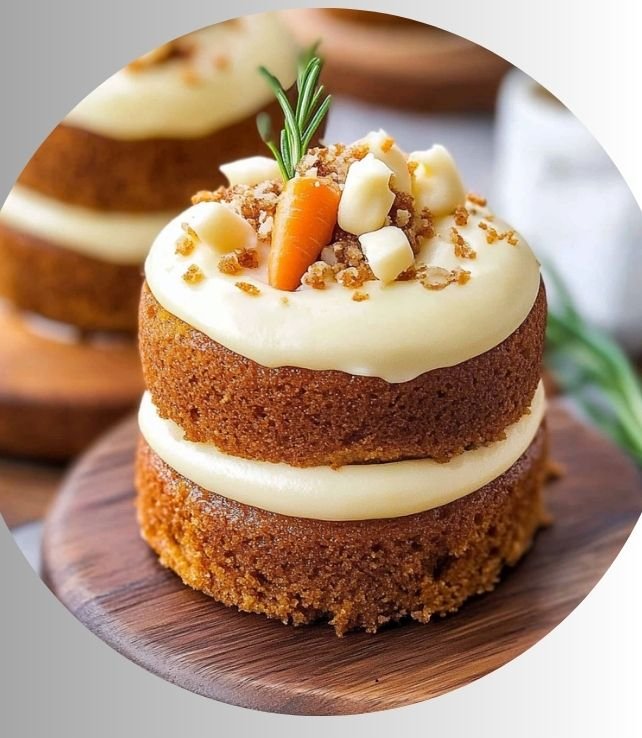
Finding a dessert that satisfies a group without leaving mountains of leftovers can be a puzzle. A full-sized layer cake is often too much, while cupcakes can feel casual. The solution, perfected in my kitchen after many gatherings, is a scaled-down, perfectly spiced cake baked in a simple square pan.
This recipe yields a modest, deeply flavorful carrot cake, ideal for a small family or an intimate dinner. It’s moist, warmly spiced, and topped with a tangy cream cheese frosting. Below, you’ll find the complete method, followed by a detailed exploration of the ingredients, the science behind its texture, and adaptations for various dietary needs.
How to Make Mini Carrot Cake Recipe
This process is straightforward, but attention to detail ensures a perfect crumb. Begin by preheating your oven and preparing your pan. The goal is a batter that comes together quickly once the wet and dry ingredients meet.
Recipe Details
- Prep Time: 25 minutes
- Cook Time: 30-35 minutes
- Servings: 9 generous squares
- Course: Dessert
- Cuisine: American
- Diet: Vegetarian
Ingredients
- 1 cup (125g) all-purpose flour
- 1 teaspoon baking soda
- 1/2 teaspoon baking powder
- 1/2 teaspoon fine sea salt
- 1 1/2 teaspoons ground cinnamon
- 1/4 teaspoon ground nutmeg
- 1/4 teaspoon ground ginger
- 2/3 cup (135g) granulated sugar
- 1/3 cup (80ml) neutral oil (like avocado or grapeseed)
- 1/3 cup (80g) packed light brown sugar
- 2 large eggs, at room temperature
- 1 teaspoon pure vanilla extract
- 1 1/2 cups (150g) finely grated carrots (about 3 medium)
- 1/2 cup (60g) toasted walnuts or pecans, chopped (optional)
- 1/3 cup (40g) crushed pineapple, well-drained (optional)
For the Cream Cheese Frosting:
- 4 ounces (113g) full-fat cream cheese, softened
- 2 tablespoons (28g) unsalted butter, softened
- 1 cup (120g) confectioners’ sugar, sifted
- 1/2 teaspoon pure vanilla extract
- Pinch of salt
Instructions
- Preheat your oven to 350°F (175°C). Grease and line an 8×8-inch square baking pan with parchment paper, leaving an overhang on two sides for easy removal.
- In a medium bowl, whisk together the flour, baking soda, baking powder, salt, cinnamon, nutmeg, and ginger. This ensures the leavening agents and spices are evenly distributed.
- In a larger mixing bowl, combine the granulated sugar, brown sugar, and oil. Whisk vigorously for about a minute until the mixture looks smooth and the sugars begin to dissolve.
- Add the eggs one at a time, whisking well after each addition until fully incorporated. Stir in the vanilla extract.
- Add the dry flour mixture to the wet ingredients. Using a spatula, fold gently until just a few streaks of flour remain. Do not overmix.
- Fold in the grated carrots, and the nuts and pineapple if using, until the batter is uniform. The batter will be thick.
- Pour the batter into the prepared pan and spread it evenly into the corners.
- Bake for 30-35 minutes, or until a toothpick inserted into the center comes out clean or with a few moist crumbs. The top will be springy to the touch.
- Place the pan on a wire rack and let the cake cool completely in the pan before frosting.
- For the frosting, beat the softened cream cheese and butter together with an electric mixer on medium speed until completely smooth and creamy, about 2 minutes.
- With the mixer on low, gradually add the sifted confectioners’ sugar, vanilla, and salt. Once incorporated, beat on medium-high for another minute until fluffy.
- Spread the frosting evenly over the cooled cake. Slice into 9 squares and serve.
Nutrition
- Calories: 380 kcal
- Protein: 5 g
- Fat: 18 g
- Carbohydrates: 52 g
- Sugar: 38 g
- Fiber: 1.5 g
- Sodium: 320 mg
- Cholesterol: 65 mg
*Nutritional information is an estimate per serving, calculated with walnuts and without pineapple.
Cooking Method
This cake employs the muffin or quick-bread method. The chemical leaveners (baking soda and powder) are activated by moisture and heat, creating a tender, cakey texture without the need for creaming butter and sugar. The oil-based batter guarantees a moist result that stays soft for days.
Tools Needed
- 8×8-inch square baking pan
- Parchment paper
- Mixing bowls (medium and large)
- Whisk and rubber spatula
- Box grater or food processor with grating disk
- Electric hand mixer or stand mixer (for frosting)
- Cooling rack
Ingredient Analysis and Selection
Each component in this formula plays a specific role. Understanding these roles allows you to make informed substitutions and troubleshoot any issues that arise.
The Foundation: Flour and Leaveners
All-purpose flour provides the necessary structure. Its moderate protein content creates a sturdy yet tender crumb. Baking powder provides an initial lift when the batter hits the oven, while baking soda reacts with the acidic brown sugar and any pineapple to produce additional gas, ensuring an even rise.
The Sweeteners: White, Brown, and Carrots
Using both granulated and brown sugar is intentional. Granulated sugar sweetens and tenderizes. Brown sugar, with its molasses content, contributes moisture, a subtle caramel note, and acidity. The natural sugars in carrots caramelize during baking, adding a complex, earthy sweetness that refined sugars cannot replicate.
Fats: Oil vs. Butter
I consistently choose a neutral-tasting oil over melted butter. Oil remains liquid at room temperature, while butter solidifies. This means an oil-based cake retains a softer, more moist texture for a longer period. Avocado or grapeseed oil are my preferences for their clean taste and healthful fat profile.
The Moisture Agents: Carrots and Beyond
Finely grated carrots are non-negotiable. They release water and sugars during baking, directly contributing to the cake’s signature moistness. The optional crushed pineapple, when thoroughly drained, acts similarly while adding a bright, fruity undertone that complements the spices without overwhelming them.
The Spice Profile
Cinnamon is the star, but nutmeg and ginger are essential supporting actors. Nutmeg offers a warm, nutty depth, and ginger provides a slight peppery kick. For the freshest flavor, grate whole nutmeg yourself. The spices don’t just add flavor; their aromatic compounds create the familiar, comforting scent we associate with this dessert.
Nutritional Perspective
As a dish, this cake sits firmly in the realm of dessert. However, by examining its components, we can appreciate its nutritional context and how it compares to other options.
Macronutrient Balance
The primary energy sources here are carbohydrates from flour and sugars, and fats from oil, eggs, and nuts. The protein contribution is modest, coming from the eggs, flour, and nuts. The use of oil provides primarily unsaturated fats, which are a more favorable choice than the saturated fats found in butter-based frostings or cakes.
Carrots: More Than Color
While not a “health food” in this context, the carrots do contribute beta-carotene, a precursor to vitamin A, and a small amount of dietary fiber. Grating them finely ensures they integrate seamlessly, distributing their nutrients and moisture throughout the batter. They are a functional ingredient, not merely a colorful addition.
Understanding Sugar Content
The total sugar per serving is significant, as expected for a frosted cake. This comes from the added sugars and the natural sugars in the carrots and pineapple. From a dietary standpoint, this highlights the importance of portion awareness. The small pan size and defined servings help with this, making it easier to enjoy a reasonable amount.
Dietary Adaptations and Variations
This template is highly adaptable. With a few considered changes, you can accommodate most dietary needs without sacrificing texture or flavor.
Gluten-Free Adaptation
Replace the all-purpose flour with a 1:1 gluten-free baking blend that contains xanthan gum. I’ve had consistent success with blends based on rice and tapioca flours. The batter may be slightly more delicate, so ensure it is fully baked before testing with a toothpick.
Vegan Adaptation
For the cake, replace each egg with a commercial egg replacer or a “flax egg” (1 tbsp ground flaxseed mixed with 2.5 tbsp water per egg). Use a plant-based yogurt or additional drained pineapple for moisture. For the frosting, use vegan cream cheese and plant-based butter. The sugar is already plant-derived.
Reduced-Sugar Version
You can reduce the granulated sugar to 1/2 cup (100g) without major structural damage. The carrots and brown sugar will provide sufficient sweetness for many palates. For the frosting, reducing the confectioners’ sugar to 3/4 cup will yield a tangier, less sweet topping.
Nut-Free and Add-In Variations
Simply omit the walnuts. For texture, consider substituting rolled oats or sunflower seeds. Raisins or shredded coconut are classic additions; if using, add about 1/3 cup to the batter with the carrots.
A Brief History of Carrot Cake
The notion of using sweet vegetables in cakes dates back centuries, born from necessity when sweeteners were scarce and expensive. Medieval European sweet puddings often used carrots and parsnips for their sugar content.
The carrot cake we recognize today solidified in mid-20th century America. The popularization of cream cheese frosting in the 1960s was a pivotal moment, creating the iconic pairing. This smaller version is a modern adaptation, reflecting a shift towards smaller household sizes and a desire for manageable desserts.
Common Mistakes and Expert Techniques
Avoiding these pitfalls will guarantee a superior result every time you bake this cake.
Overgrating or Undergrating the Carrots
Carrots grated on the large holes of a box grater can remain too crunchy. Grating on the fine side, or using a food processor, creates shreds that soften perfectly during baking, blending into the crumb. Avoid pre-shredded bagged carrots, as they are often too dry and thick.
Overmixing the Batter
Once the flour is added, mix only until the last streaks disappear. Overmixing develops gluten, leading to a tough, dense cake. A few small lumps are preferable to an overworked batter.
Frosting a Warm Cake
This is the most frequent error. The frosting is a delicate emulsion of fat and sugar. If spread on a warm cake, it will melt, become greasy, and soak into the cake. Patience is required. Allow the cake to cool to room temperature in the pan on a rack.
Measuring Flour Incorrectly
For accuracy, use a kitchen scale. If using cups, spoon the flour into the cup and level it off with a knife. Scooping directly from the bag packs the flour, leading to over-measurement and a dry cake.
Serving, Pairing, and Storage
This cake is versatile. For serving, a clean, sharp knife dipped in hot water will make neat slices through the frosting. The squares are rich, so they need little accompaniment.
A cup of black tea or a light roast coffee cuts through the sweetness beautifully. For a dessert pairing, a small scoop of vanilla bean ice cream or a dollop of lightly sweetened whipped cream offers a pleasant temperature contrast.
Storage is straightforward. Keep the cake, covered, in the refrigerator for up to 5 days due to the dairy-based frosting. The cold will firm the cake slightly; let slices sit at room temperature for 15 minutes before serving to restore optimal texture. It can also be frozen, unfrosted, for up to 2 months. Wrap the cooled cake layer tightly in plastic wrap and foil before freezing.
The Science of Moisture and Leavening
The exceptional moistness is a result of multiple factors working in concert. The oil coats flour proteins more thoroughly than butter, inhibiting gluten formation and retaining water. The hygroscopic brown sugar and the water released from the carrots create a syrup-like environment within the batter.
Leavening is a timed reaction. Baking powder contains both an acid and a base, activated by liquid and heat for a steady rise. Baking soda requires an external acid (here, brown sugar’s molasses and pineapple) to produce carbon dioxide gas. This dual system ensures the cake rises evenly and maintains an open, tender structure.
Frequently Asked Questions
Can I make this cake into cupcakes?
Yes. Divide the batter between 10-12 lined muffin cups and bake at 350°F (175°C) for 18-22 minutes. The same toothpick test applies.
Why is my cake dense and gummy?
This is typically caused by overmixing the batter after adding the flour, or by underbaking. Ensure you fold gently and test for doneness at the minimum bake time.
My frosting is runny. How can I fix it?
Runny frosting is usually due to the cream cheese or butter being too soft. Chill the mixture for 20 minutes, then re-whip. Always use full-fat, brick-style cream cheese, not the spreadable kind in a tub.
Can I omit the pineapple?
Absolutely. The cake will still be moist from the carrots and oil. You may add a tablespoon of orange juice or milk to the batter if it seems too thick without the pineapple’s moisture.
How fine should I grate the carrots?
Aim for shreds similar in size to grated Parmesan cheese. This allows them to soften completely and integrate into the cake’s texture without noticeable strands.
What’s the best way to store leftovers?
Cover the pan tightly with plastic wrap or transfer slices to an airtight container. Refrigerate for up to 5 days. The flavors often improve after a day.
Can I use pre-ground “carrot cake spice” blend?
You can, but blending your own allows for control. A store-bought blend often contains allspice and cloves, which are stronger. Start with 2 teaspoons of a pre-mixed blend and adjust to your taste.
Is there a way to make the frosting less sweet?
Yes. Increase the cream cheese to 6 ounces and the butter to 3 tablespoons, while keeping the confectioners’ sugar at 1 cup. This creates a tangier, cheesier frosting with a better balance.
