
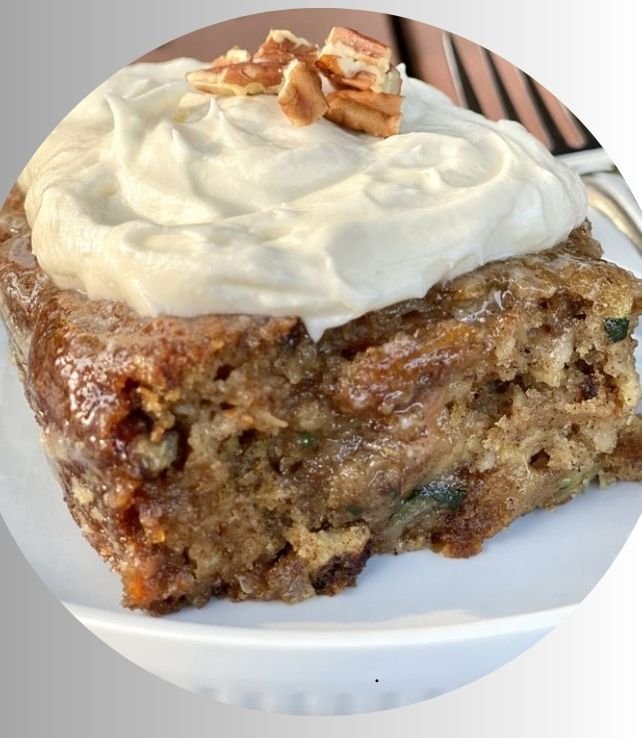
You know that moment when you taste a restaurant dessert so good you spend years trying to recreate it? That was my experience with the carrot cake at J. Alexander’s. For me, it was more than a slice of cake; it was a benchmark. The dense, moist crumb, the complex spice profile, and that uniquely tangy cream cheese frosting became a personal culinary quest.
After countless tests, adjustments, and consultations with baking science, I have a version that captures the essence of that memorable dessert. This is not just a list of ingredients and steps. It is a detailed guide built from my experience as a dietician and recipe developer, designed to help you understand the ‘why’ behind every decision, ensuring your result is as close to the original as possible.
How to Make J Alexander’s Carrot Cake Recipe
This recipe is engineered for a specific texture: deeply moist, tightly crumbed, and richly spiced. Precision matters here, so I recommend using a kitchen scale for the dry ingredients. The process is straightforward, but each step has a purpose that contributes to the final product.
Recipe Details
- Prep Time: 45 minutes
- Cook Time: 50-60 minutes
- Servings: 12
- Course: Dessert
- Cuisine: American
- Diet: Vegetarian
Ingredients
- 2 cups (250g) all-purpose flour
- 2 teaspoons baking soda
- 1 ½ teaspoons baking powder
- 1 teaspoon salt
- 2 teaspoons ground cinnamon
- ½ teaspoon ground nutmeg
- ¼ teaspoon ground cloves
- 1 ½ cups (300g) granulated sugar
- 1 cup (200g) light brown sugar, packed
- 1 ½ cups (360ml) vegetable oil
- 4 large eggs, at room temperature
- 1 teaspoon pure vanilla extract
- 3 cups (about 300g) finely grated carrots
- 1 cup (100g) chopped walnuts or pecans
- ½ cup (80g) crushed pineapple, well-drained
For the Cream Cheese Frosting:
- 16 ounces (450g) full-fat cream cheese, softened
- ½ cup (115g) unsalted butter, softened
- 4 cups (480g) confectioners’ sugar, sifted
- 1 teaspoon pure vanilla extract
- Pinch of salt
Instructions
- Preheat your oven to 350°F (175°C). Grease and flour two 9-inch round cake pans, and line the bottoms with parchment paper.
- In a large bowl, whisk together the flour, baking soda, baking powder, salt, cinnamon, nutmeg, and cloves. This aerates the dry ingredients and ensures even distribution of the leavening agents and spices.
- In a separate, larger bowl, combine the granulated sugar, brown sugar, and vegetable oil. Whisk vigorously for about 2 minutes until the mixture is fully combined and looks slightly thickened.
- Add the eggs one at a time to the sugar-oil mixture, whisking well after each addition. Stir in the vanilla extract.
- Gradually add the dry flour mixture to the wet ingredients. Use a spatula or wooden spoon to fold until just combined. Overmixing at this stage will develop gluten and lead to a tough cake.
- Fold in the grated carrots, chopped nuts, and drained crushed pineapple until evenly distributed.
- Divide the batter evenly between the prepared pans. Bake for 50-60 minutes, or until a toothpick inserted into the center comes out clean.
- Let the cakes cool in the pans for 15 minutes, then turn them out onto a wire rack to cool completely before frosting.
- To make the frosting, beat the softened cream cheese and butter together with an electric mixer on medium speed until completely smooth and creamy, about 3 minutes.
- With the mixer on low, gradually add the sifted confectioners’ sugar. Once incorporated, add the vanilla and salt. Increase speed to medium-high and beat for another 2-3 minutes until the frosting is very light and fluffy.
- Once the cakes are completely cool, frost the top of one layer. Place the second layer on top and frost the top and sides of the entire cake.
Nutrition
- Calories: 780 kcal
- Protein: 8 g
- Fat: 45 g
- Carbohydrates: 90 g
- Sugar: 70 g
- Fiber: 2 g
- Sodium: 480 mg
- Cholesterol: 105 mg
Cooking Method
This cake is prepared using the conventional creaming method adapted for liquid fat. The key is emulsifying the sugars and oil thoroughly before incorporating the eggs and dry ingredients. It is baked in a standard oven using dry heat, which sets the structure and caramelizes the sugars.
Tools Needed
- Two 9-inch round cake pans
- Parchment paper
- Mixing bowls (large and medium)
- Whisk and rubber spatula
- Box grater or food processor with grating disc
- Electric hand mixer or stand mixer (for frosting)
- Cooling rack
- Measuring cups and spoons (kitchen scale preferred)
Decoding the Ingredients: A Functional Analysis
Every component in this formula has a specific role. Understanding these roles allows you to make informed substitutions without compromising the structural integrity or flavor profile we are aiming for.
Flour and Leavening: The Structural Foundation
All-purpose flour provides the necessary gluten-forming proteins that give the cake its structure. The combination of baking soda and baking powder is non-negotiable. Baking soda requires an acid to activate; here, it reacts with the acidic crushed pineapple and brown sugar. Baking powder provides a secondary lift during baking, ensuring an even rise.
The Sweetener System: Flavor and Moisture
Using both granulated and light brown sugar is a critical technique. White sugar provides sweetness and tenderness. Brown sugar, with its molasses content, contributes moisture, a deeper flavor, and slight acidity that activates the baking soda. The oil, rather than solid butter, is the primary fat. It coats the flour proteins more thoroughly than butter, resulting in an exceptionally moist and tender crumb that stays soft for days.
Carrots and Pineapple: More Than Just Flavor
The finely grated carrots are the star, but their function is twofold. They provide flavor, color, and natural sweetness, but they also release moisture and soluble fibers during baking, which directly contributes to the cake’s dense, moist texture. The crushed pineapple, once well-drained, acts similarly. It adds a subtle fruity note that balances the spices and provides the necessary acidity for the leavening system.
The Spice Profile: Building Complexity
Cinnamon is the dominant spice, but nutmeg and cloves are essential supporting actors. Nutmeg offers a warm, nutty depth, while cloves provide a sharp, almost peppery top note. This trio creates a layered spice flavor that is characteristic of many restaurant-style carrot cakes, rather than a one-note cinnamon taste.
The Frosting: A Study in Balance
The frosting’s success hinges on the ratio and temperature. Full-fat cream cheese and real butter are required for stability and richness. The confectioners’ sugar must be sifted to avoid lumps. The pinch of salt is not optional; it cuts the overwhelming sweetness and allows the tang of the cream cheese to shine through, which is the hallmark of a superior frosting.
Nutritional Perspective and Dietary Adaptations
As a dietician, I view this dessert through a lens of informed choice. It is an energy-dense food, with significant contributions from fats and sugars. The carrots, nuts, and pineapple do provide small amounts of fiber, vitamin A, and other micronutrients, but this is a treat to be enjoyed in moderation within a balanced diet.
Making Strategic Modifications
If you have specific dietary needs, you can modify this recipe with careful ingredient swaps.
Gluten-Free Adaptation
Replace the all-purpose flour with a 1:1 gluten-free baking blend that contains xanthan gum. I have found that blends using brown rice flour and tapioca starch work well. The batter may be slightly more viscous, but the final texture will be very close.
Dairy-Free and Vegan Adaptation
For the cake, replace the eggs with a flax egg mixture (1 tbsp ground flaxseed mixed with 2.5 tbsp water per egg). For the frosting, use high-quality, firm vegan cream cheese and plant-based butter sticks. Note that vegan cream cheese frostings are often softer; chilling the cake before serving is advisable.
Reduced-Sugar Version
You can reduce the total sugar in the cake by 25% (using about 2 cups total instead of 2.5) without major structural damage. In the frosting, reducing sugar will affect consistency and make the tang of the cream cheese more pronounced. You might start by using only 3 cups of confectioners’ sugar.
The History and Evolution of Carrot Cake
The concept of using sweet vegetables in cakes dates back centuries, often arising from periods when sugar was scarce or expensive. Carrots, with their natural sweetness, were a practical substitute. Modern American carrot cake, as we know it, gained widespread popularity in the 1960s and 1970s, often featuring pineapple, nuts, and cream cheese frosting.
Restaurant versions, like the one from J. Alexander’s, typically represent a premium iteration of this classic. They tend to emphasize a denser, moister crumb, a more complex spice blend, and a frosting with a pronounced tang to balance the sweetness of the cake. This recipe is modeled after that specific restaurant-style ideal.
Common Mistakes and How to Avoid Them
Through my testing, I have identified the most frequent pitfalls that prevent a home baker from achieving the desired result.
Improper Carrot Preparation
Using pre-shredded carrots is the most common error. They are often too dry and too coarse. You must grate whole carrots on the small holes of a box grater. This creates a finer shred that integrates seamlessly into the batter and releases optimal moisture.
Incorrect Measurement of Flour
Scooping flour directly from the bag with a measuring cup packs it down, leading to over-measurement and a dry, dense cake. The best practice is to spoon the flour into the measuring cup and level it off, or use a kitchen scale.
Frosting a Warm Cake
This is a critical error. If the cake layers are even slightly warm, the frosting will melt, slide off, and become a runny mess. You must allow the cakes to cool completely on a wire rack, which can take 2-3 hours.
Overmixing the Batter
Once the dry ingredients are added, mix only until the flour disappears. Overmixing develops the gluten in the flour, resulting in a tough, rubbery texture rather than a tender crumb.
Serving, Storage, and Pairing Suggestions
This cake benefits from a rest. For the best flavor and texture, I recommend frosting it, then covering and refrigerating it overnight. This allows the moisture to distribute evenly and the flavors to meld.
Serve slices chilled or at cool room temperature. A cup of strong black coffee or a pot of unsweetened tea makes an excellent pairing, as the bitterness contrasts nicely with the sweet, spiced cake. For storage, keep the frosted cake covered in the refrigerator for up to 5 days. You can also freeze the unfrosted layers tightly wrapped for up to 3 months; thaw overnight in the refrigerator before frosting.
The Science of Moisture in Baking
The exceptional moisture in this cake is a result of specific chemical and physical interactions. The vegetable oil, being a liquid fat, creates a barrier that inhibits gluten formation and retains water. The brown sugar is hygroscopic, meaning it attracts and holds water from the environment.
During baking, the cell walls of the grated carrots break down, releasing their water content directly into the crumb. The soluble pectin from the carrots and pineapple also helps to trap this moisture. This combination of factors is what prevents the cake from drying out, even after several days.
Frequently Asked Questions
Can I use butter instead of oil in this carrot cake?
I do not recommend it if you want the classic moist, dense texture. Butter contains water and solidifies when cool, which can yield a cakier, drier crumb. Oil remains liquid at room temperature, ensuring a consistently tender and moist result.
Why did my cream cheese frosting turn out runny?
This is usually caused by two factors: the cream cheese and butter were too soft, or the confectioners’ sugar was not sifted. Ensure your dairy ingredients are softened but still cool to the touch. Sifting the sugar incorporates air and prevents clumps that can break the emulsion when beaten.
Do I have to use nuts and pineapple?
You can omit the nuts for an allergy-friendly version. The pineapple, however, is more integral. It provides necessary acidity for the baking soda to work and contributes to the moisture and flavor profile. If you must omit it, add 1 tablespoon of lemon juice or apple cider vinegar to the wet ingredients.
How can I tell when the cake is perfectly done?
Rely on visual and tactile cues, not just time. The edges will pull slightly away from the pan. The top will spring back when gently pressed. Most reliably, a toothpick or skewer inserted into the very center should come out clean, with no wet batter clinging to it.
Can I make this recipe as cupcakes or a sheet cake?
Yes. For cupcakes, fill liners 2/3 full and bake at 350°F for 20-25 minutes. This recipe will make approximately 24 cupcakes. For a 9×13 inch sheet pan, bake for 40-50 minutes. The frosting recipe will cover either adaptation.
My cake sunk in the middle. What happened?
A sunken center typically indicates under-baking, an inaccurate measurement of leavening agents (too much baking soda/powder), or opening the oven door too early in the baking process, causing a sudden drop in temperature. Ensure your oven is properly preheated and use an oven thermometer for accuracy.
