
The first time I encountered a dessert called a “lasagna,” I was in my grandmother’s kitchen, not in Italy. It was a humid summer afternoon, and she was layering something in a 9×13-inch dish that looked nothing like pasta. The result was a cool, creamy, and structurally fascinating dessert that fed a crowd with minimal effort. That memory is the foundation for my professional interest in these layered no-bake desserts.
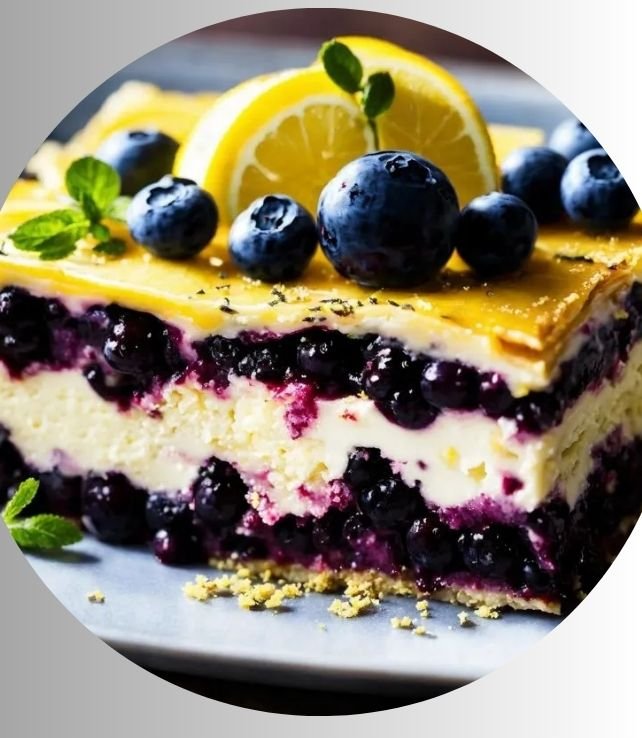
This Blueberry Lemon Lasagna recipe is a direct descendant of that tradition. It is a no-bake dessert constructed in layers, much like its savory namesake. A crumb crust forms the base, followed by a rich cheesecake layer, a bright lemon pudding layer, and a topping of whipped cream and fresh blueberries. It is designed to be prepared ahead of time and chilled, making it a strategic choice for entertaining or warm-weather meals.
In this guide, I will provide the complete recipe and then expand into a detailed analysis of its components, nutritional science, and culinary history. My goal is to give you all the context needed to not only replicate this dish but to understand it completely.
How to Make Blueberry Lemon Lasagna Recipe
This is the core procedure for assembling the dessert. Read through all steps before you begin to ensure a smooth process. The sequence of layering is critical for the structural integrity of the final product.
Recipe Details
- Prep Time: 30 minutes
- Cook Time: 0 minutes (Chill Time: 4 hours minimum)
- Servings: 12
- Course: Dessert
- Cuisine: American
- Diet: Vegetarian
Ingredients
- For the Crust:
- 36 Oreo cookies (with filling)
- 6 tablespoons unsalted butter, melted
- For the Cheesecake Layer:
- 16 ounces full-fat cream cheese, softened
- 1 cup powdered sugar
- 1 teaspoon vanilla extract
- 2 cups whipped topping (like Cool Whip), thawed
- For the Lemon Pudding Layer:
- 2 (3.4 ounce) packages instant lemon pudding mix
- 3 cups cold whole milk
- For the Topping:
- 2 cups whipped topping (like Cool Whip), thawed
- 2 cups fresh blueberries
- 1 tablespoon lemon zest (optional, for garnish)
Instructions
- Prepare a 9×13-inch baking dish by lightly greasing the sides.
- Make the crust: Place the Oreo cookies in a food processor and pulse until they form fine crumbs. Alternatively, place them in a large zip-top bag and crush with a rolling pin.
- Transfer the crumbs to a medium bowl and pour the melted butter over them. Use a fork to mix until the crumbs are uniformly moist and resemble wet sand.
- Press the crumb mixture firmly and evenly into the bottom of the prepared dish. Use the flat bottom of a measuring cup to compact it. Place the dish in the refrigerator to set while you prepare the next layer.
- Make the cheesecake layer: In a large mixing bowl, use an electric mixer on medium speed to beat the softened cream cheese until it is smooth and free of lumps.
- Add the powdered sugar and vanilla extract to the cream cheese. Beat again until the mixture is completely combined and creamy.
- Using a spatula, gently fold in the 2 cups of whipped topping until no white streaks remain. Be careful not to deflate the mixture.
- Remove the dish from the refrigerator. Spread the cheesecake mixture evenly over the chilled crust. Return the dish to the refrigerator.
- Make the lemon pudding layer: In another large bowl, whisk the instant lemon pudding mixes with the 3 cups of cold milk. Whisk continuously for 2 minutes, or until the pudding thickens. Let it rest for 5 minutes to set further.
- Retrieve the dish from the refrigerator. Carefully pour the thickened lemon pudding over the cheesecake layer and spread it into a smooth, even layer.
- Spread the remaining 2 cups of whipped topping over the lemon pudding layer.
- Arrange the fresh blueberries evenly across the top. Sprinkle with lemon zest if desired.
- Cover the dish with plastic wrap and refrigerate for at least 4 hours, or preferably overnight, to allow the layers to fully firm.
Nutrition
- Calories: 485 kcal
- Protein: 7 g
- Fat: 25 g
- Carbohydrates: 60 g
- Sugar: 45 g
- Fiber: 2 g
- Sodium: 420 mg
- Cholesterol: 45 mg
Cooking Method
This is a no-bake recipe. The primary “cooking” method is chilling and setting in the refrigerator. The chemical process involves the hydration and gelation of the instant pudding mix and the firming of the fat structures in the cream cheese and whipped layers due to the cold temperature.
Tools Needed
- 9×13-inch baking dish
- Electric hand mixer or stand mixer
- Large and medium mixing bowls
- Whisk
- Spatula
- Food processor or zip-top bag and rolling pin
- Measuring cups and spoons
Ingredient Analysis and Selection
Each component in this dessert plays a specific structural and flavor role. Understanding these roles allows for successful substitutions and troubleshooting.
The Foundation: Oreo Crust
The crust provides a stable, texturally contrasting base. Oreo cookies are used for their distinct chocolate flavor, which balances the tartness of the lemon and the sweetness of the berries. The creme filling contributes additional fat and sugar, aiding in binding. The melted butter acts as the hydraulic cement of the crust, solidifying upon chilling to create a firm layer that can be sliced.
For a different flavor profile, you could use graham crackers, vanilla wafers, or even ginger snaps. The ratio of 36 cookies to 6 tablespoons of butter is a reliable starting point for most crumb crusts.
The Richness: Cream Cheese Layer
Full-fat cream cheese is non-negotiable for the proper texture of the cheesecake layer. The fat content, typically around 33%, provides richness and creates a dense, smooth layer that holds its shape. Softening the cream cheese to room temperature is a critical step; attempting to mix it cold will result in a lumpy mixture that is difficult to spread evenly.
The powdered sugar is used instead of granulated sugar because it contains a small amount of cornstarch, which helps thicken the mixture slightly and dissolves instantly, preventing a gritty texture. The whipped topping is folded in to aerate the layer, making it lighter and easier to slice through than a solid block of sweetened cream cheese.
The Brightness: Lemon Pudding Layer
Instant pudding mix is the engine of this layer. It contains modified food starch, which thickens instantly upon contact with liquid without requiring heat. Using cold milk is essential, as warmth can prevent proper thickening. The two-minute whisking time is not arbitrary; it ensures the starch granules are fully dispersed and hydrated, leading to a consistent gel.
The five-minute rest period after whisking allows the gel network to strengthen, preventing it from being too loose when you spread it over the delicate cheesecake layer. This layer provides the signature citrus note and a soft, custard-like texture.
The Finish: Toppings and Garnish
The final layer of whipped topping acts as a protective seal and a visually clean canvas for the blueberries. Fresh blueberries are preferred for their firm texture and natural tartness, which cuts through the sweetness of the dessert. The optional lemon zest adds a pop of color and an intense, aromatic citrus oil that enhances the overall lemon flavor without adding liquid.
Nutritional Breakdown
From a dietary perspective, this is an energy-dense dessert. A single serving provides a significant amount of calories, primarily from carbohydrates and fats. The sugar content is high, originating from the Oreos, powdered sugar, pudding mix, and whipped topping.
The blueberries contribute a small amount of dietary fiber and are a source of vitamins C and K, as well as anthocyanins, which are antioxidants. The milk and cream cheese provide protein, calcium, and vitamin A. However, they are also the primary sources of saturated fat and cholesterol in the recipe.
This dessert fits into a balanced diet as an occasional treat. Its structure makes portion control relatively straightforward, as it is pre-sliced into servings.
Dietary Adaptations
This recipe is highly adaptable to various dietary needs with a few strategic substitutions.
Gluten-Free Version
Replace the Oreo cookies with a certified gluten-free chocolate sandwich cookie or gluten-free graham crackers. Use the same weight or volume as the original recipe. Ensure the instant pudding mix is certified gluten-free, as some brands may contain wheat-based ingredients.
Dairy-Free and Vegan Version
This requires more comprehensive changes. For the crust, use dairy-free chocolate cookies and coconut oil or a vegan butter alternative. For the cheesecake layer, use a vegan cream cheese and whip chilled full-fat coconut cream instead of the whipped topping. Sweeten with a vegan powdered sugar. For the pudding layer, use a plant-based milk like almond or soy milk and a vegan instant pudding mix. Top with coconut whipped cream and blueberries.
Lower-Sugar Version
Use a reduced-sugar or sugar-free instant pudding mix. Select a lower-sugar whipped topping or make your own from whipped heavy cream sweetened minimally. In the cheesecake layer, you can reduce the powdered sugar by a quarter, though this will slightly affect the texture. The crust is the most challenging component to modify, but some brands offer lower-sugar sandwich cookies.
Cultural and Historical Context
Desserts like this Blueberry Lemon Lasagna belong to a category often called “icebox cakes” or “refrigerator desserts.” Their history is deeply intertwined with 20th-century American food manufacturing and innovation. The proliferation of packaged foods like cookies, instant pudding, and stabilized whipped toppings in the mid-1900s gave home cooks the tools to create impressive desserts without an oven.
The concept of layering is ancient, but applying it to chilled, creamy desserts became a hallmark of mid-century American potlucks and family gatherings. The name “lasagna” is a playful, descriptive term that accurately conveys the layered construction, even if the ingredients are far from Italian. This dessert represents a practical and creative approach to home baking that prioritizes convenience and crowd-pleasing flavors.
Common Mistakes and Expert Tips
Avoiding these common errors will ensure your dessert sets properly and looks as good as it tastes.
Not Softening the Cream Cheese
Using cold cream cheese is the number one cause of a lumpy cheesecake layer. Remove the cream cheese from the refrigerator at least one hour before you start. It should yield gently to pressure.
Insufficient Chilling Time
The four-hour chill is a minimum. For clean, defined layers that do not slump when sliced, chilling overnight is superior. This gives the pudding’s starch and the crust’s butter ample time to fully set.
Overmixing or Undermixing the Pudding
Whisk the pudding and milk for the full two minutes. This is necessary for the starch to activate. Undermixing results in a thin layer. However, over-aggressive mixing after it has set can break the gel and make it watery.
Pressing the Crust Incorrectly
A loosely pressed crust will crumble when served. Press the crumbs firmly and evenly across the entire bottom of the dish. Using the flat bottom of a glass or measuring cup helps achieve a compact, uniform layer.
Serving, Pairing, and Storage
For serving, use a sharp, thin-bladed knife. Dip the knife in hot water and wipe it dry between each cut to achieve pristine slices. This dessert is self-contained and does not require a sauce, but a small drizzle of a tart raspberry coulis can add another dimension of flavor.
In terms of beverage pairing, its sweet and citrusy profile pairs well with bitter elements. A cup of black coffee, an espresso, or a hoppy IPA beer can provide a pleasant contrast. For a non-alcoholic option, sparkling water with a squeeze of lime cleanses the palate.
Storage is straightforward. Keep the dessert covered in the refrigerator for up to 4 days. It does not freeze well, as the whipped topping and pudding layers can become watery and separate upon thawing. The texture is best when served chilled directly from the refrigerator.
The Science of Setting
The structural integrity of this no-bake dessert relies on two main scientific principles: gelation and fat crystallization. The instant pudding sets through a process called gelatinization. The modified corn starch in the mix absorbs the cold milk and swells, forming a three-dimensional network that traps water, creating a semi-solid gel.
The cheesecake layer and crust set due to the behavior of fats. The butter in the crust transitions from a liquid to a solid state as it chills, locking the cookie crumbs in place. The fat molecules in the cream cheese and whipped topping also firm up significantly at refrigerator temperatures, giving the layers their sliceable firmness without being rock-hard.
Frequently Asked Questions
Can I use homemade whipped cream instead of Cool Whip?
Yes, you can. Whip 2 cups of heavy cream with 1/4 cup of powdered sugar until stiff peaks form. Use this in place of the whipped topping in both the cheesecake layer and the top layer. Be aware that homemade whipped cream is less stabilized and may soften faster.
My pudding layer is runny. What happened?
A runny pudding layer is typically caused by one of three issues: using warm milk instead of cold, not whisking for the full two minutes, or not allowing the pudding to rest for 5 minutes before spreading. The starch needs the initial agitation and the subsequent rest to form a proper gel.
Can I use frozen blueberries?
It is not recommended. Frozen blueberries release a significant amount of water and purple juice as they thaw, which will bleed into and discolor the white whipped topping layer, creating a messy appearance. Always use fresh, firm blueberries for the topping.
How far in advance can I make this?
You can assemble this dessert up to 24 hours in advance. The flavors often improve with a longer resting period as they meld together. Simply cover it tightly with plastic wrap and store it in the refrigerator until you are ready to serve.
Is it possible to bake this dessert?
No, this is specifically a no-bake recipe. Baking would cause the layers to melt and separate completely. The instant pudding requires no heat to set, and the whipped components would collapse in the oven.
What can I use instead of Oreos for the crust?
Graham crackers are the most common substitute. You would need about 2 cups of graham cracker crumbs mixed with 1/2 cup of melted butter. Other options include vanilla wafers, shortbread cookies, or even ginger snaps for a spiced flavor profile.
Why did my cream cheese layer crack when I spread the pudding on top?
This can happen if the cheesecake layer was not sufficiently chilled before adding the pudding. The weight and pressure of spreading the thicker pudding can cause the softer cheesecake layer beneath to tear. Ensure the cheesecake layer has firmed up in the refrigerator for at least 20-30 minutes before proceeding.
