
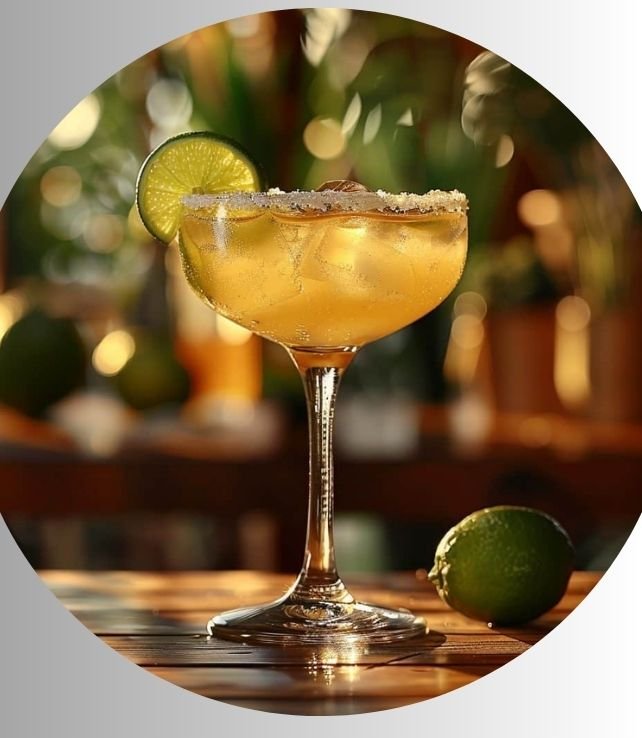
The first time I tasted the margarita at Bartaco, I understood the difference between a mixed drink and a balanced cocktail. It was not just a combination of tequila, lime, and sweetener; it was a precise, refreshing experience that complemented the food perfectly.
I have spent years studying food science and nutrition, and I often find that restaurant recipes are difficult to replicate at home. The balance is elusive. After several trips and careful observation, I managed to deconstruct the elements of their signature drink. This is not just a copycat recipe; it is a detailed guide to achieving that specific balance in your own kitchen.
Below, you will find the complete formula, followed by a deep analysis of each ingredient, the method, and the science behind why this particular combination works so well.
How to Make Bartaco Margarita Recipe
This section provides the exact formula and steps to create the cocktail. For the best results, follow the instructions precisely before exploring the variations and science discussed later.
Recipe Details
- Prep Time: 5 minutes
- Cook Time: 0 minutes
- Servings: 1 cocktail
- Course: Beverage
- Cuisine: Mexican-American
- Diet: Gluten-Free, Vegan
Ingredients
- 2 ounces high-quality blanco tequila
- 1 ounce fresh lime juice (from about 1.5 limes)
- 0.75 ounce agave syrup
- 0.5 ounce triple sec
- 1 lime wedge, for garnish
- Pinch of coarse salt, for the glass rim
- 1 cup fresh ice cubes
Instructions
- Prepare your glass by running a lime wedge around the rim. Dip the rim into a small plate of coarse salt to coat it evenly. Set the glass aside.
- Fill a cocktail shaker with the fresh ice cubes.
- Pour the tequila, fresh lime juice, agave syrup, and triple sec into the shaker.
- Secure the lid on the shaker and shake vigorously for 12-15 seconds. The outside of the shaker should feel very cold.
- Fill your prepared glass with fresh ice. Strain the contents of the shaker into the glass.
- Garnish with a lime wedge on the rim. Serve immediately.
Nutrition
- Calories: 215 kcal
- Protein: 0.2 g
- Fat: 0.1 g
- Carbohydrates: 18 g
- Sugar: 15 g
- Fiber: 0.1 g
- Sodium: 1 mg
- Cholesterol: 0 mg
Cooking Method
The method for this drink is shaking. This technique is crucial as it does more than just chill the liquid. It aerates the cocktail, slightly dilutes it with meltwater to open up the flavors, and creates a light, frothy texture on the surface that enhances the drinking experience.
Tools Needed
- Cocktail shaker (Boston or Cobbler style)
- Jigger for measuring
- Citrus juicer
- Knife and cutting board
- Double Old Fashioned glass or rocks glass
Deconstructing the Bartaco Margarita Flavor Profile
The signature taste of this cocktail comes from a calculated equilibrium between four primary components: sour, sweet, strong, and weak. Each ingredient has a specific role.
The Role of Tequila: More Than Just Alcohol
Bartaco uses a 100% blue agave blanco tequila. This is non-negotiable for an authentic result. Blanco, or silver, tequila is unaged, which gives it a crisp, pure agave flavor without the oak influence from barrels.
Using a mixto tequila, which contains only 51% agave sugars, will introduce a harshness and a less complex flavor. The quality of the tequila is the foundation of the entire drink.
Fresh Lime Juice vs. Bottled
The acidity from lime juice is the backbone of the sour component. Freshly squeezed lime juice contains volatile aromatic compounds that are lost in bottled versions, which often contain preservatives that alter the taste.
For one cocktail, you will need approximately one and a half limes. Roll the limes firmly on your countertop with the palm of your hand before cutting and juicing them. This breaks down the internal membranes and releases more juice.
Agave Syrup: The Natural Sweetener
Agave syrup is the signature sweetener in this recipe, and it serves two purposes. First, it comes from the same plant as tequila, creating a harmonious flavor bridge. Second, it is more soluble in cold liquids than granulated sugar, which means it integrates seamlessly without grittiness.
The nectar’s neutral, mild flavor does not overpower the tequila, unlike some other sweeteners that can mask the primary spirit.
Triple Sec: The Citrus Accent
A half-ounce of triple sec adds a subtle orange flavor and a touch more sweetness, which rounds out the sharp edges of the lime. While some recipes use Cointreau, which is a high-end triple sec, the Bartaco version uses a standard variety to keep the profile bright and accessible.
This addition is what separates a basic margarita from a well-layered one.
Nutritional Science of a Classic Margarita
As a dietician, I analyze the nutritional impact of every recipe. A cocktail like this is primarily a source of simple carbohydrates from the agave and triple sec, and ethanol from the tequila.
Caloric Density and Moderation
The approximately 215 calories in this drink come almost entirely from the alcohol and sugars. There are negligible amounts of fat, protein, or micronutrients. This makes it an “empty calorie” beverage from a strict nutritional standpoint.
Consuming it with a meal that contains protein, fiber, and healthy fats can help slow the absorption of alcohol and sugars into your bloodstream, moderating their impact.
Understanding Sugar Content
The 15 grams of sugar is a significant amount, roughly equivalent to a little less than four teaspoons. For individuals monitoring their sugar intake, this is the primary variable to adjust, which we will cover in the dietary adaptations section.
The acidity from the lime juice can also be harsh on tooth enamel. Drinking water alongside the cocktail is a good practice for oral health.
Dietary Adaptations and Modifications
This recipe is naturally gluten-free and vegan. However, you can modify it to suit other dietary needs without sacrificing the core flavor profile.
Low-Sugar and Diabetic-Friendly Version
To reduce the sugar content, you can decrease the agave syrup to 0.5 ounce and omit the triple sec. This will lower the carbohydrate count substantially. Alternatively, a few drops of a non-caloric sweetener like liquid stevia can be used, though it may impart a slight aftertaste.
Alcohol-Free Adaptation
For a zero-proof version, replace the tequila with 2 ounces of a non-alcoholic spirit designed for cocktails or a strong, chilled hibiscus tea. Replace the triple sec with 0.5 ounce of orange juice with a pinch of orange zest. The shaking method remains the same to achieve the desired texture.
The Cultural and Historical Context of the Margarita
The margarita’s origins are debated, with several stories claiming its invention in the 1930s and 1940s in Mexico. It is widely believed to be a refinement of the Daisy cocktail, a family of drinks that typically contained a spirit, citrus, and a sweetener.
The name “margarita” means “daisy” in Spanish. The Bartaco version honors this tradition by focusing on the purity of the core ingredients rather than overwhelming them with sweet and sour mix, which became common in later, mass-produced versions.
Their “Libélula” cocktail, which means “dragonfly,” is another offering that shares this philosophy of simplicity and balance, often featuring reposado tequila and fresh fruit.
Common Mistakes and How to Avoid Them
After testing this recipe numerous times, I have identified the most frequent errors that prevent a home version from matching the restaurant quality.
Using Stale Ice
Ice absorbs odors from the freezer. Always use fresh, clean-tasting ice cubes both in the shaker and in the serving glass. Ice that has been in the freezer for weeks can give the drink an off-flavor.
Under-Shaking the Cocktail
A vigorous shake is essential. It is not just about mixing; it is about dilution and aeration. If you do not shake long enough, the drink will be too strong and the ingredients will not be fully integrated. Twelve to fifteen seconds of hard shaking is the standard.
Neglecting the Garnish
The salt rim and lime wedge are not merely decorative. The salt provides a contrasting flavor that highlights the sweetness and acidity of the drink with each sip. Skipping this step results in a less dynamic taste experience.
Serving, Pairing, and Storage Guidelines
This cocktail is designed for immediate consumption. It does not store well once mixed, as the ice will dilute it and the fresh citrus will begin to oxidize.
Making a Pitcher for a Group
To scale this recipe for a pitcher serving six people, combine 12 ounces of tequila, 6 ounces of fresh lime juice, 4.5 ounces of agave syrup, and 3 ounces of triple sec in a large pitcher. Do not add ice. Stir well, cover, and refrigerate for up to 4 hours.
When ready to serve, shake individual portions with fresh ice, or add a large block of ice to the pitcher and stir gently before pouring into prepared glasses.
Perfect Food Pairings
The bright acidity and clean flavors of this margarita cut through rich and spicy foods exceptionally well. It is the ideal companion for tacos, ceviche, grilled fish, and corn-based dishes. The carbonation-free profile allows the flavors of the food to remain the focus.
Frequently Asked Questions
What type of tequila is best for a Bartaco-style margarita?
A 100% blue agave blanco (silver) tequila is essential. It provides a clean, crisp agave flavor without the vanilla or oak notes from aged tequilas, which would change the drink’s character.
Can I make simple syrup instead of using agave?
Yes, you can substitute an equal amount of simple syrup. However, the flavor profile will be slightly different, as simple syrup is more neutral. Agave syrup contributes a mild, floral sweetness that is integral to the authentic taste.
Why is my homemade margarita too sour?
This is usually due to an imbalance between the lime juice and the sweeteners. Measure your lime juice precisely. If your limes are particularly tart, you may need to increase the agave syrup by a quarter ounce to compensate.
Is triple sec necessary?
While you can omit it, the triple sec adds a layer of citrus complexity that makes the drink more rounded. For a more basic version, you can leave it out, but the result will be a simpler, more sharply focused on lime and tequila.
How can I get a professional-looking salt rim?
Use a coarse salt, like kosher salt or margarita salt. Only moisten the outer rim of the glass to prevent salt from falling into the drink. Pour the salt onto a small plate and dip the glass at a slight angle for an even coating.
What is the difference between shaking and stirring a margarita?
Cocktails with citrus juice are always shaken. This incorporates air, creates a slight froth, and ensures the citrus oils are fully emulsified with the other ingredients. Stirring is reserved for spirit-forward drinks without juice, like a Manhattan.
Can I use a different type of glass?
A double old fashioned or rocks glass is standard. While a margarita glass is iconic, its wide brim causes the drink to warm and dilute too quickly. A smaller, thicker-walled rocks glass keeps it colder for longer.
