
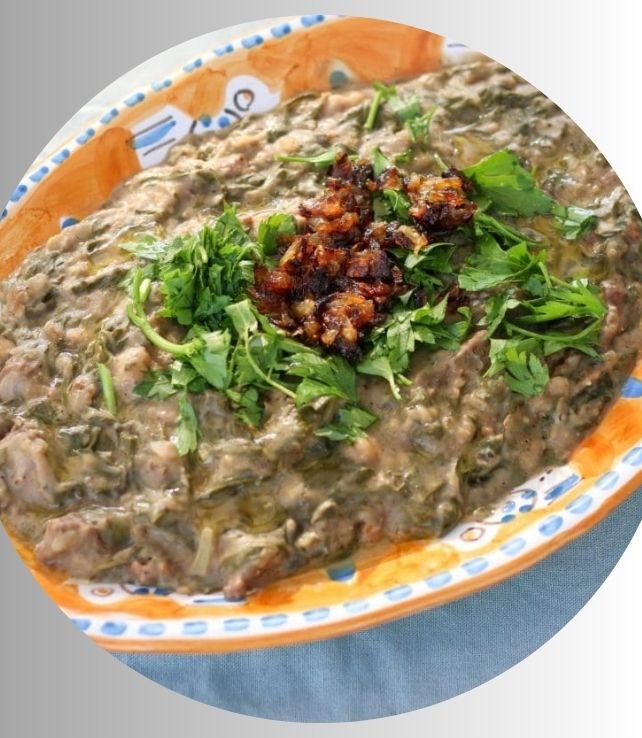
You have a bundle of Swiss chard in your kitchen, and you are looking for a dish that transforms these simple greens into something substantial. The answer is not a salad. It is a stew, but not a heavy one. It is a recipe that has been prepared in Palestinian kitchens for generations, known for its sharp, tangy flavor and vibrant color.
I first prepared Summakiya, also spelled Sumaghiyyeh, after a conversation with a friend from Gaza City. She described it as the taste of home, a dish her family made weekly. The unique combination of sumac and tahini creates a broth that is both earthy and citrusy, a flavor profile I had not experienced before. It is a one-pot meal that is both efficient and deeply nourishing.
This article provides a complete guide to making Summakiya. You will find the core recipe, followed by a detailed analysis of its ingredients, nutritional benefits, and cultural significance. My goal is to give you all the information needed to prepare this dish with confidence.
What is Summakiya?
Summakiya is a traditional Palestinian stew originating from the Gaza region. Its name is derived from “sumac,” the dark red spice that provides its signature tart flavor and color. The dish is a thick, warming preparation that combines protein, greens, and a unique broth base.
Unlike many meat-based stews, Summakiya uses a liquid foundation made from soaked sumac and tahini paste. This creates a tangy, creamy consistency without using dairy. The result is a complex flavor that is both refreshing and satisfying, often described as a unique culinary experience.
The Historical and Cultural Significance of Summakiya
This dish is a staple of Gazan cuisine and holds a special place in Palestinian food culture. It is a recipe passed down through families, often prepared for large gatherings and during the holy month of Ramadan to break the fast. Its ingredients are a reflection of the local agriculture and trade history of the area.
Origins in Gaza
The coastal city of Gaza has a rich culinary history influenced by its position on Mediterranean trade routes. Spices like sumac, which grows wild in the region, became central to local dishes. Summakiya is a product of this environment, utilizing readily available ingredients like chickpeas, chard, and sumac to create a nutrient-dense meal.
A Dish of Resilience and Flavor
Recipes like Summakiya demonstrate how communities create profound flavor from modest ingredients. The process of soaking sumac to extract its essence, then carefully blending it with tahini, is a technique developed over centuries. It is a dish that speaks to a deep connection with local land and food traditions.
How to Make Summakiya Recipe
Recipe Details
- Prep Time: 30 minutes
- Cook Time: 1 hour 30 minutes
- Servings: 6
- Course: Main Course
- Cuisine: Palestinian
- Diet: Halal
Ingredients
- 500g beef stew meat, cubed
- 1 large onion, finely chopped
- 4 cloves garlic, minced
- 1 bunch Swiss chard, leaves chopped, stems separated and diced
- 1 cup dried chickpeas, soaked overnight
- 3/4 cup sumac powder
- 1/2 cup tahini paste
- 1 tablespoon dill seeds
- 1 teaspoon coriander seeds
- 1/2 teaspoon chilli flakes (adjust to preference)
- 1/4 cup fresh coriander, chopped
- 4 cups water
- 3 tablespoons olive oil
- Salt, to taste
- Black pepper, to taste
Instructions
- Place the sumac powder in a medium bowl. Cover with 2 cups of warm water and let it soak for 30 minutes. After soaking, use your hands to squeeze the sumac and release its flavor. Strain the liquid through a fine-mesh sieve into a clean bowl, pressing on the solids. Discard the sumac pulp and set the red liquid aside.
- In a large cooking pot, heat the olive oil over medium heat. Add the diced meat and cook until browned on all sides, about 7-10 minutes.
- Add the chopped onion and diced chard stems to the pot. Cook, stirring occasionally, until the onion is soft and translucent, about 5-7 minutes.
- Add the minced garlic, dill seeds, coriander seeds, and chilli flakes. Stir for one minute until the spices are fragrant.
- Drain the soaked chickpeas and add them to the pot along with the remaining 2 cups of water. Bring to a boil, then reduce the heat to low, cover, and let it simmer for 45 minutes, or until the meat and chickpeas are tender.
- While the meat cooks, prepare the sumac and tahini mix. In a separate bowl, whisk the tahini paste with the reserved sumac liquid until you have a smooth, thin, pinkish-brown sauce. Ensure there are no lumps.
- Once the meat and chickpeas are tender, add the chopped chard leaves to the pot. Stir and cook for 5 minutes until the leaves have wilted.
- Reduce the heat to the lowest setting. Slowly pour the sumac-tahini sauce into the pot, stirring constantly to prevent the tahini from curdling.
- Add the fresh coriander and season generously with salt and black pepper. Let the stew simmer gently on very low heat for another 15-20 minutes, stirring occasionally, until the stew has thickened slightly. Do not allow it to boil.
- Taste and adjust seasoning. The stew should be tangy, nutty, and well-balanced. Serve hot.
Nutrition
- Calories: 420 kcal
- Protein: 28 g
- Fat: 22 g
- Carbohydrates: 30 g
- Sugar: 5 g
- Fiber: 8 g
- Sodium: 320 mg
- Cholesterol: 55 mg
Cooking Method
The primary cooking method for Summakiya is stewing. This involves slow-cooking ingredients in a covered pot with a relatively small amount of liquid. The process tenderizes tough cuts of meat and allows the flavors of the spices, sumac, and tahini to meld together completely. The final stage, where the sumac-tahini sauce is incorporated, requires gentle heat to stabilize the emulsion and prevent separation.
Tools Needed
- Large, heavy-bottomed pot or Dutch oven
- Fine-mesh strainer
- Mixing bowls (medium and large)
- Whisk
- Cutting board and sharp knife
- Measuring cups and spoons
Ingredient Analysis and Selection
Each component in Summakiya serves a specific purpose, contributing to the dish’s structure, flavor, and nutritional profile. Understanding these ingredients is key to mastering the recipe.
The Role of Sumac
Sumac is not just a garnish here; it is the foundation of the dish. This dark red spice is made from dried and ground berries of the Rhus coriaria shrub. It has a bright, lemony tartness due to its high malic acid content. When you soak the sumac, you are extracting this acidity and its deep burgundy pigment, which gives the stew its characteristic color and sharp flavor. The quality of your sumac will directly impact the final result.
Red Tahini (Tahina) from Gaza
The term “Red Tahini” refers to the sauce created by mixing standard sesame tahini with the sumac liquid. Tahini itself is a paste made from toasted, hulled, and ground sesame seeds. It provides healthy fats, a creamy texture, and a slightly bitter, nutty flavor that balances the sharpness of the sumac. When combined, they form a stable emulsion that thickens the stew.
Choosing Your Greens: Swiss Chard
Swiss chard is used for its sturdy leaves and flavorful stems. The stems are added early in the cooking process to soften and sweeten, while the leaves are added later to just wilt. Chard provides dietary fiber, iron, and vitamins K, A, and C. You can substitute spinach or kale, but add spinach at the very end as it cooks much faster.
Chilli Flakes and Aromatics
The aromatics—onion and garlic—form the flavor base. The chilli flakes provide a subtle warmth that complements the tanginess without overwhelming it. The quantity can be adjusted, but even a small amount helps to round out the flavor profile. Using whole dill and coriander seeds and toasting them in the oil unlocks their volatile oils, providing a more complex aroma than pre-ground spices.
Nutritional Breakdown of Summakiya
From a dietary perspective, Summakiya is a well-balanced meal. It provides a synergy of macronutrients and micronutrients that support sustained energy and overall health.
Macronutrient Profile
The stew offers a complete protein source from the meat and chickpeas. Chickpeas also contribute complex carbohydrates and a significant amount of dietary fiber, which aids digestion and promotes satiety. The fats are primarily unsaturated, coming from the olive oil and tahini, which are associated with heart health.
Micronutrients and Bioavailability
Swiss chard is rich in iron and vitamin K. The vitamin C from the sumac can enhance the absorption of the non-heme iron from the chard and chickpeas. The garlic and onions contain sulfur compounds and antioxidants. This combination makes the dish a powerful source of essential vitamins and minerals in a bioavailable form.
Dietary Adaptations
This traditional recipe is adaptable to various dietary needs without sacrificing its core identity.
Vegan Summakiya
Omit the beef. Use an additional 1.5 cups of chickpeas or add cubed potatoes for substance. Use vegetable broth instead of water for a richer flavor. The cooking time for the chickpeas may need to be extended if they are not pre-cooked.
Gluten-Free Adaptation
The recipe is naturally gluten-free. Ensure that all your spice sources are certified gluten-free to avoid cross-contamination.
Lower-Fat Version
To reduce the fat content, you can use a leaner cut of meat, skim off any excess fat after browning the meat, and reduce the amount of tahini and olive oil by one-third. Be aware that reducing the tahini may slightly alter the creaminess of the final stew.
Common Mistakes and Expert Tips
Several points in the recipe are crucial for success. Paying attention here will ensure your Summakiya turns out perfectly.
Avoiding a Curdled Sauce
The most common issue is the tahini sauce splitting when added to the hot pot. To prevent this, always temper the sauce. Take a ladle of the hot cooking liquid from the pot and slowly whisk it into the sumac-tahini mixture to warm it up. Then, with the pot on the lowest possible heat, slowly pour the warmed sauce back in, stirring constantly.
Extracting Maximum Sumac Flavor
Do not rush the sumac soaking process. Using warm water and physically squeezing the sumac with your hands is the traditional and most effective method. Straining thoroughly is also important to avoid a gritty texture in the final dish.
Layering Spices Correctly
Toasting the whole seed spices (dill and coriander) in oil for a minute before adding liquid unlocks their full aromatic potential. This step builds a deeper flavor foundation than simply adding them with the water.
Serving, Pairing, and Storage
How to Serve Summakiya
Summakiya is traditionally served hot in a deep plate or shallow bowl. It is almost always accompanied by bread. Arabic flatbread, such as pita or taboon bread, is ideal for scooping up the thick stew. The bread acts as a utensil, so have plenty on hand.
Storage and Reheating Instructions
Store any leftovers in an airtight container in the refrigerator for up to 3 days. The flavors often improve the next day. Reheat gently on the stovetop over low heat, stirring occasionally. If the stew has thickened too much, add a small amount of water to adjust the consistency. Avoid boiling during reheating to protect the tahini emulsion.
The Science Behind the Stew
The stability of the Summakiya sauce is a matter of emulsion science. Tahini is an oil-in-water emulsion itself, made stable by lecithin and other compounds in the sesame seeds. When you mix it with the acidic sumac water, the low pH can threaten this stability. By slowly introducing the sauce to the stew and maintaining a low temperature, you give the proteins and starches from the other ingredients a chance to help stabilize the new, larger emulsion, creating a smooth, unified broth.
Frequently Asked Questions
What is the difference between Summakiya and other stews?
The primary difference is the liquid base. While most stews use water, broth, or tomato sauce, Summakiya uses a mixture of sumac extract and tahini. This creates a uniquely tangy, creamy, and nutty flavor profile that is distinct from meat-and-vegetable stews found in other cuisines.
Can I use lemon juice instead of sumac?
While lemon juice can provide acidity, it cannot replicate the complex, fruity, and slightly astringent flavor of sumac. The dish would lose its defining characteristic and color. It is best to seek out sumac, which is widely available in Middle Eastern grocery stores and online.
My stew turned out bitter. What happened?
Bitterness can come from two sources. Over-toasting the spices can burn them, creating a bitter taste. Secondly, if the tahini was old or made from unhulled sesame seeds, it can impart a strong bitterness. Always taste your tahini before using it.
Is it necessary to use a pressure cooker?
No, a pressure cooker is not necessary. The traditional method uses a standard pot with a long, slow simmer to tenderize the meat and chickpeas. A pressure cooker can reduce the cooking time significantly, but it requires careful timing to avoid overcooking the greens and requires you to add the sumac-tahini sauce after pressure cooking.
Can I make Summakiya with chicken?
Yes, you can use chicken thighs or legs instead of beef. Because chicken cooks faster, adjust the simmering time after adding the chickpeas to about 25-30 minutes, or until the chicken is cooked through and the chickpeas are tender, before adding the chard and the sumac-tahini sauce.
What can I serve with Summakiya besides bread?
While bread is the classic accompaniment, you can also serve it over a bed of coarse bulgur wheat or rice. A simple side salad of chopped cucumber, tomato, and mint with a lemon-olive oil dressing provides a fresh, cool contrast to the rich, tangy stew.
