
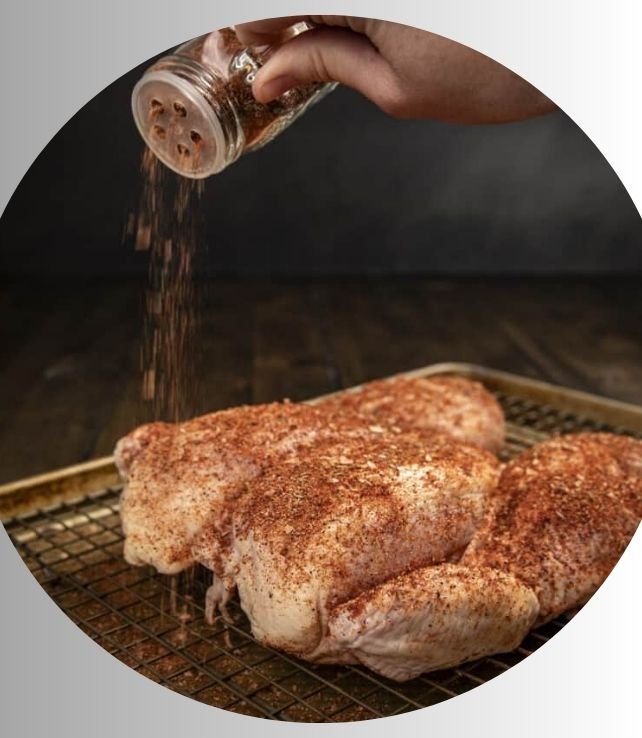
The difference between a good smoked chicken and a truly memorable one often comes down to a single element applied long before the meat ever touches the heat. It is the layer of flavor that penetrates the skin, the crust that forms during the long, slow cook, and the aromatic promise that fills the air. That element is the dry rub.
I developed this specific blend after years of testing, drawing from both my professional background in nutritional science and a personal history of weekend smoking sessions. The goal was a balance that enhances the chicken’s natural flavor without overpowering it, creating a complex profile with every component serving a purpose. This recipe is the result of that process, a reliable foundation you can build upon.
Below, you will find the complete recipe, followed by a detailed analysis of its ingredients, nutritional data, and practical application to ensure your success.
How to Make Smoked Chicken Rub Recipe
This process is simple and requires no special equipment beyond a bowl and a container for storage. The key is thorough mixing to ensure an even distribution of all components.
Recipe Details
- Prep Time: 10 minutes
- Cook Time: 0 minutes
- Servings: Enough for 1 whole chicken or 4-6 individual pieces
- Course: Main Course
- Cuisine: American Barbecue
- Diet: Gluten-Free
Ingredients
- 1/4 cup paprika
- 2 tablespoons brown sugar
- 1 tablespoon kosher salt
- 1 tablespoon garlic powder
- 1 tablespoon onion powder
- 2 teaspoons black pepper, freshly ground
- 2 teaspoons chili powder
- 1 teaspoon dried thyme
- 1 teaspoon ground cumin
- 1/2 teaspoon cayenne pepper
Instructions
- Add all ingredients to a medium-sized bowl.
- Use a whisk or fork to blend the mixture thoroughly. Continue until the color is uniform and no clumps of brown sugar or spice remain.
- For immediate use, apply the rub directly to the chicken. For storage, transfer the blend to an airtight container.
Nutrition
- Calories: 15 kcal
- Protein: 0.5 g
- Fat: 0.3 g
- Carbohydrates: 3 g
- Sugar: 1.5 g
- Fiber: 1 g
- Sodium: 290 mg
- Cholesterol: 0 mg
*Nutritional information is an estimate for one teaspoon of the rub mixture and will vary based on application.
Cooking Method
After applying the rub, let the chicken rest for at least 30 minutes, or up to 4 hours refrigerated, to allow the salt to penetrate. Smoke the chicken at 225-250°F (107-121°C) until the internal temperature reaches 165°F (74°C) in the breast and 175°F (79°C) in the thigh.
Tools Needed
- Mixing bowl
- Whisk or fork
- Airtight glass jar or plastic container for storage
- Measuring spoons and cups
The Science and Strategy of a Dry Rub
A dry rub is more than a simple coating. It is a functional layer that interacts with the meat and the cooking environment. The primary purpose is to create a seasoned crust, or bark, through dehydration and the Maillard reaction.
Salt is the most critical component, as it draws moisture to the surface, dissolves, and is then reabsorbed into the meat, carrying flavor with it. The sugar content caramelizes over heat, contributing to color and a subtle sweetness that balances the smoke. The spices form a protective barrier that slows fat rendering slightly, basting the meat from the outside.
Why You Should Use a Dry Rub When Grilling or Smoking Chicken
Chicken skin presents a unique challenge. It contains a high amount of fat and can become rubbery if not treated properly. A dry rub helps to dehydrate the skin’s surface, which allows it to become crispier during the smoking process.
Unlike a marinade, which can make the surface of the meat wet and prevent browning, a dry rub promotes the formation of a flavorful crust. For lean cuts like chicken breast, this crust adds a necessary textural contrast and a concentrated burst of flavor.
Ingredient Analysis and Selection
Every component in this blend has a specific role. Understanding these roles allows you to make informed substitutions and adjustments based on your preferences and what you have available.
Paprika: The Foundation of Color and Flavor
Paprika provides the signature red color and a sweet, earthy base note. It is not typically a significant source of heat. I use a standard sweet paprika for its consistent flavor, but smoked paprika can be used to double down on the smoky character.
From a nutritional standpoint, paprika is a source of capsaicinoids, which have anti-inflammatory properties, and is rich in Vitamin A.
Brown Sugar: The Balancer
Brown sugar does more than add sweetness. The molasses content in it promotes caramelization, which leads to a darker, more appealing bark. It also helps to mitigate the potential bitterness from other spices and the smoke itself.
If you are monitoring sugar intake, the amount can be reduced by half, though this will affect the final color and flavor balance.
Salt: The Essential Mineral
Kosher salt is preferred over table salt because its larger crystals are easier to control and distribute evenly. Salt is a flavor enhancer and, through the process of osmosis, it helps to season the meat below the surface.
It is crucial for moisture retention. Properly salted meat will lose less juice during the cooking process, resulting in a more tender final product.
Garlic and Onion Powder: The Savory Core
These dehydrated powders provide a consistent, concentrated savory flavor that adheres well to the meat. Fresh garlic and onion contain too much water and can burn, creating bitter notes. The powders dissolve into the meat’s surface and blend seamlessly with the other spices.
Black Pepper, Chili Powder, and Cayenne: The Heat Profile
This combination creates a layered heat experience. Black pepper offers a sharp, pungent kick. Chili powder provides a broader, earthier warmth. Cayenne pepper delivers a direct, clean heat that builds.
Adjusting the cayenne is the easiest way to control the spice level. For a mild rub, omit it entirely. For more heat, you can increase it to a full teaspoon.
Thyme and Cumin: The Aromatic Depth
Thyme contributes a subtle, herbal complexity that pairs exceptionally well with poultry. Cumin introduces a warm, slightly nutty flavor that grounds the entire blend and connects the sweet and spicy elements.
These herbs are susceptible to burning, which is why they are used in moderate amounts within a rub designed for low and slow cooking.
Nutritional Breakdown of the Rub
As a dietitian, I consider the functional role of food. This rub adds significant flavor with a minimal caloric impact. The primary sources of calories are the brown sugar and the small amounts of oil naturally present in the spices.
The majority of the sodium content comes from the added salt, which is a necessary component for both flavor and texture science. When distributed over an entire chicken, the per-serving sodium from the rub itself becomes quite manageable.
The spices are sources of various phytonutrients. Paprika and chili powder contain carotenoids, which are antioxidants. Cumin has been studied for its potential digestive benefits. Garlic powder contains allicin, a compound with noted health properties.
Applying a Dry Rub for Maximum Effect
The technique for application is straightforward but important. Pat the chicken dry with paper towels before applying the rub. Any surface moisture will steam the spices rather than allowing them to adhere and form a crust.
Apply the blend evenly across all surfaces, using your hands to press it gently into the skin. Do not rub it in aggressively, as this can cause clumping. For a whole chicken, remember to season the cavity.
The resting period after application is not optional. This is when the salt performs its work, migrating into the meat and beginning the process of seasoning from within.
Wood Pairings for Smoked Chicken
The choice of smoking wood will influence the final flavor profile. Chicken is a versatile protein that pairs well with a variety of woods.
Fruitwoods like apple and cherry are excellent choices. They produce a mild, sweet smoke that complements the rub’s sweetness without overwhelming the delicate flavor of the chicken. Hickory is a stronger option that provides a classic, robust barbecue flavor, but it should be used sparingly to avoid bitterness. A blend of two-thirds apple wood and one-third hickory is a reliable combination.
Modifications for Smoked Chicken Rub
This recipe is a template. Personalizing it is part of the process.
For a coffee-infused rub, replace one tablespoon of paprika with finely ground dark roast coffee. The coffee adds a deep, bitter note that can enhance the savory character of the meat. For a citrus accent, add two teaspoons of dried lemon or orange zest. To create a smoky rub without a smoker, use smoked paprika and increase the amount by one tablespoon.
Dietary Adaptations
This base recipe is naturally gluten-free. For a low-sodium version, reduce the salt by half and add more garlic and onion powder to compensate for flavor. A sugar-free adaptation can use a granulated erythritol blend instead of brown sugar, though the caramelization will be less pronounced.
Alternate Uses for Smoked Chicken Rub
The flavor profile of this blend is versatile. It works well on other poultry like turkey, especially on wings or drumsticks. It is excellent on pork, forming a beautiful bark on pork shoulder or loin.
I have used it successfully on firm-fleshed fish like salmon, though the cooking time is much shorter. It can also be shaken onto roasted potatoes or mixed with oil to create a paste for roasted vegetables.
Storing Leftover Chicken Rub
Store any unused mixture in an airtight container in a cool, dark place, such as a pantry. A glass jar is ideal. Properly stored, the rub will maintain its potency for up to six months.
The primary enemies of a dry rub are moisture, heat, and light, which cause the spices and herbs to lose their volatile oils and the brown sugar to clump. If you notice a faded aroma, it is time to make a fresh batch.
Common Mistakes and Expert Tips
One common error is applying a wet rub to damp chicken, which results in a paste that steams rather than forming a crust. Always start with a dry protein surface.
Another mistake is applying the rub too far in advance. For chicken, more than 4-6 hours can begin to cure the outer layer too much, creating a ham-like texture due to the salt. For best results, stick to the 30-minute to 4-hour window.
Do not be afraid to be generous with the application. A thin, sparse layer will not develop a proper bark. The chicken should be fully coated, with the skin barely visible beneath the spice blend.
Frequently Asked Questions
What is a Smoked Chicken Rub?
A smoked chicken rub is a dry mixture of herbs, spices, salt, and sugar that is applied to chicken before it is cooked in a smoker. Its purpose is to create a flavorful crust and enhance the meat’s taste from the surface inward.
Can I use a smoked chicken rub for other meats?
Yes, this rub is highly adaptable. It works very well on pork, turkey, and even on hearty vegetables or potatoes. Adjust the cooking time and temperature according to the protein or vegetable you are preparing.
How long can this dry rub be stored?
When stored correctly in an airtight container away from heat and light, the rub will remain potent for approximately six months. The flavor of the herbs and spices will gradually diminish over time.
Do I need to use oil with the rub?
It is not necessary. The natural moisture and fats in the chicken skin are sufficient to help the rub adhere. Adding oil can sometimes cause the spices to burn, especially over direct heat.
What are the best sides to serve with smoked chicken?
Smoked chicken pairs well with sides that offer a contrast in texture and flavor. Consider creamy coleslaw, baked beans, cornbread, a crisp green salad, or macaroni and cheese. The goal is to balance the rich, smoky meat with fresh, creamy, or tangy accompaniments.
